
Diseases
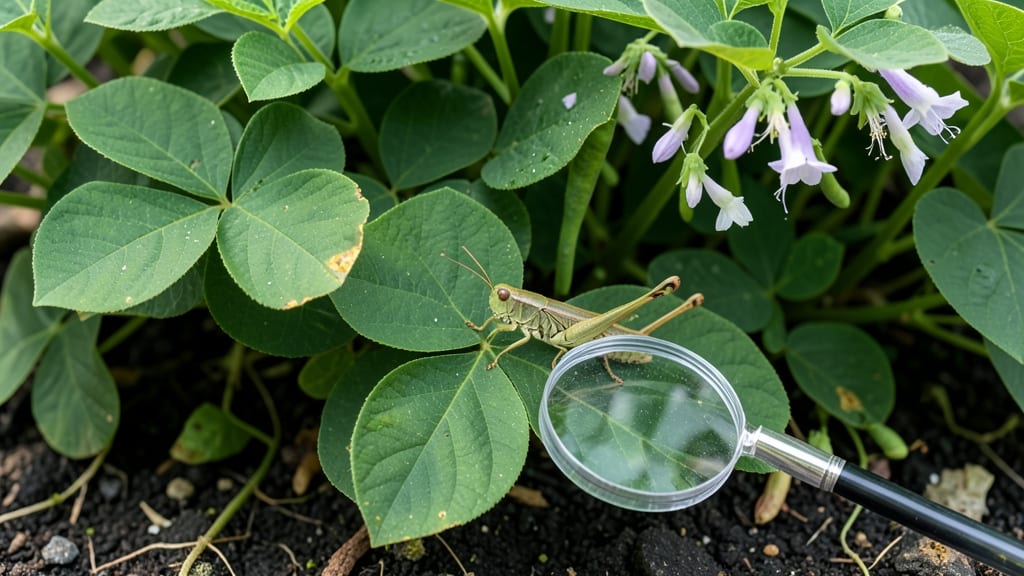
While grasshoppers themselves aren't disease vectors for humans, their behavior creates indirect risks. 🔥 For example, when they feed on contaminated plants or soil, they can pick up harmful bacteria like E. coli or salmonella on their bodies.
The real danger comes when these insects come into contact with food or garden produce, potentially cross-contaminating surfaces. In gardens, grasshoppers act as unintentional carriers of plant diseases by moving between infected and healthy plants, spreading fungal spores or viral particles through their movement or waste.
This is why proper garden hygiene—like removing infested plants and washing tools—plays a crucial role in prevention.
For human safety, the key is minimizing direct contact. Always wash your hands thoroughly after handling grasshoppers or working in areas where they're active.
If you're concerned about plant health, consider using physical barriers or organic pest controls to reduce their presence without introducing chemicals that could harm your garden ecosystem.
💡 In This Article
- How Grasshoppers Spread Plant Diseases in Gardens
- Safety Precautions When Handling Grasshoppers
How grasshoppers spread plant diseases in gardens
Grasshoppers act as mechanical vectors for plant diseases by physically transporting pathogens between plants. When they feed on infected foliage, their mouths and legs pick up fungal spores, bacterial cells, or viral particles.
These contaminants then transfer to healthy plants during feeding or movement. For example, fungal diseases like Alternaria leaf spot or bacterial wilt often spread this way, particularly in vegetable gardens where grasshoppers thrive.
The risk escalates during outbreaks when grasshopper populations explode. A single adult can consume up to 16 times its body weight daily—about 0.5 grams of plant material—while nymphs are equally voracious.
Their jumping behavior (up to 20 feet) allows them to traverse entire garden beds rapidly, spreading contamination before symptoms even appear. Crops like corn, soybeans, and tomatoes are especially vulnerable due to their broad leaves and high nutritional value to grasshoppers.
Contamination also occurs through indirect routes. Grasshopper frass (feces) contains concentrated pathogens from their previous meals. When this waste falls onto soil or plant surfaces, it creates infection points for susceptible crops.
Studies show that grasshopper-damaged plants are 30-50% more likely to develop secondary infections compared to undamaged plants, as the physical trauma from feeding creates entry points for pathogens.
Garden tools become another transmission vector. Pruners, rakes, and even gloves can pick up pathogens from infected plants and transfer them to healthy areas when grasshoppers are present. The Western corn rootworm, for instance, spreads bacterial leaf blight through contaminated soil particles clinging to equipment.
This is why proper tool sanitation between uses is critical in grasshopper-prone gardens.
Seasonal patterns amplify these risks. Grasshopper activity peaks during late summer when plant diseases are also most active. The combination of warm temperatures (75-85°F) and high humidity creates ideal conditions for both grasshopper reproduction and pathogen spread.
Monitoring grasshopper populations during these months helps gardeners implement timely preventive measures.
Preventive strategies focus on breaking the contamination cycle. Removing heavily infested plants before they become food sources, using row covers to block grasshopper access, and practicing crop rotation all reduce transmission opportunities.
Even simple measures like watering in the early morning (when grasshoppers are less active) can minimize pathogen spread through splashing water.
Understanding these mechanisms helps gardeners protect their crops without over-relying on pesticides. The key is disrupting the grasshopper-plant-pathogen triangle at multiple points—through physical barriers, cultural practices, and strategic monitoring. 🌱