
Plants
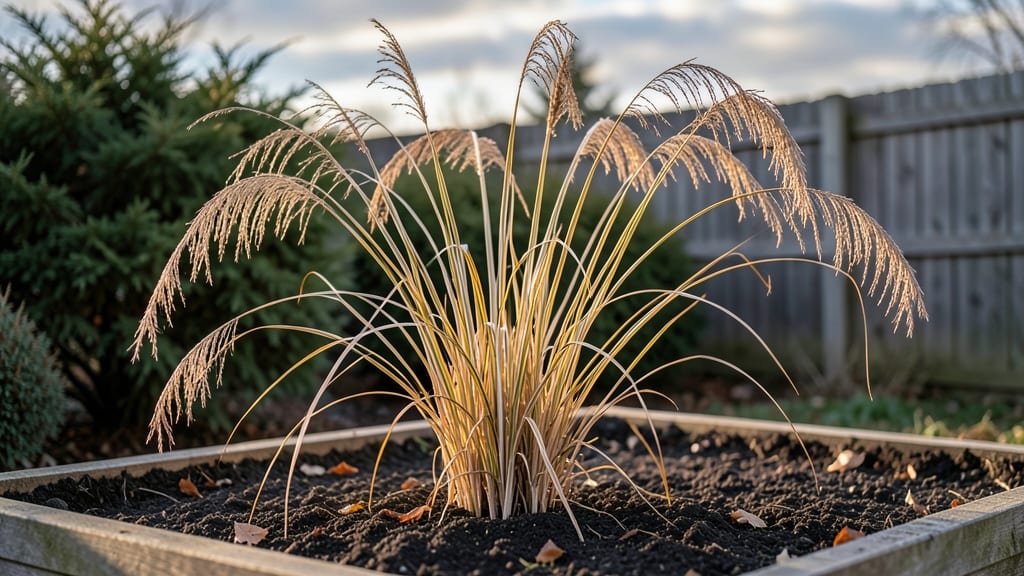
When your fountain grass looks dead, it's usually caused by overwatering, poor drainage, or fungal diseases like brown patch. You can revive it naturally by fixing soil aeration, cutting back on watering, using organic fungicides, and pruning dead fronds in spring or early summer.
Fountain grass can look hopelessly browned, but the roots often stay alive—especially if the problem is water-related. 🌱 The key is identifying whether your grass is suffering from soggy soil (which leads to root rot) or fungal infections (like brown patch, which creates circular dead patches).
I've seen grass bounce back dramatically after just a few weeks of proper care, even when it looked completely dead. Start by testing your soil's drainage—if water pools after 30 minutes, you'll need to amend it with sand or organic matter.
For fungal issues, organic solutions like neem oil or a baking soda spray (1 tablespoon per quart of water) work wonders. Just be patient—revival takes time, and you might see new growth in 4-6 weeks.
The worst mistake people make is giving up too soon or pruning at the wrong time (never cut back in fall or winter).
💡 In This Article
- Common Causes of Fountain Grass Death
- Step-by-Step Natural Revival Process for Fountain Grass
Common causes of fountain grass death
Fountain grass typically succumbs to death when its roots suffocate from overwatering or poor drainage. The science behind this is simple: grass roots need oxygen to respire, and when soil stays waterlogged for more than 24 hours, the roots drown in a process called anaerobic respiration.
This creates toxic byproducts like ethanol and acetic acid, which kill root cells within 3-5 days. You'll notice the grass turning uniformly brown from the bottom up, with a mushy texture when you gently pull a frond.
Fungal diseases like brown patch (caused by Rhizoctonia solani) thrive in warm, humid conditions (ideal between 75-85°F). The fungus spreads through the soil, attacking the grass blades and creating circular dead patches with a reddish-brown border.
Unlike waterlogging, fungal infections often appear as irregular patches rather than uniform browning. Another visual clue is a white, cottony growth on the base of fronds—this is the fungus's mycelium spreading.
Environmental stressors like extreme heat or drought also play a role. Fountain grass prefers well-draining soil with 6.0-7.5 pH, and when temperatures exceed 90°F for prolonged periods, the grass goes into dormancy.
The key difference is that heat stress causes a uniform yellowing, while drought stress leads to crispy, brittle fronds that snap easily. Both conditions weaken the plant, making it more susceptible to fungal infections.
Poor soil quality—especially compacted or clay-heavy soil—restricts root growth and water movement. When roots can't expand properly, they become congested, leading to nutrient deficiencies and stress. You can test this by digging down 6 inches—if the soil feels hard and dense, it's time for aeration.
Compacted soil also traps excess moisture, creating the perfect conditions for root rot.
Finally, improper pruning or cutting back at the wrong time (like in winter) can shock the plant. Fountain grass stores nutrients in its lower stems, and severe pruning removes these reserves.
Always prune in late winter or early spring before new growth begins, cutting back to 6 inches above the ground to encourage fresh shoots.
Here's what to watch for: if your grass looks uniformly brown with no new growth, it's likely water-related. If you see circular patches with reddish edges, it's probably fungal. And if the fronds are brittle and yellow, it's heat or drought stress. 🌱