
Watering
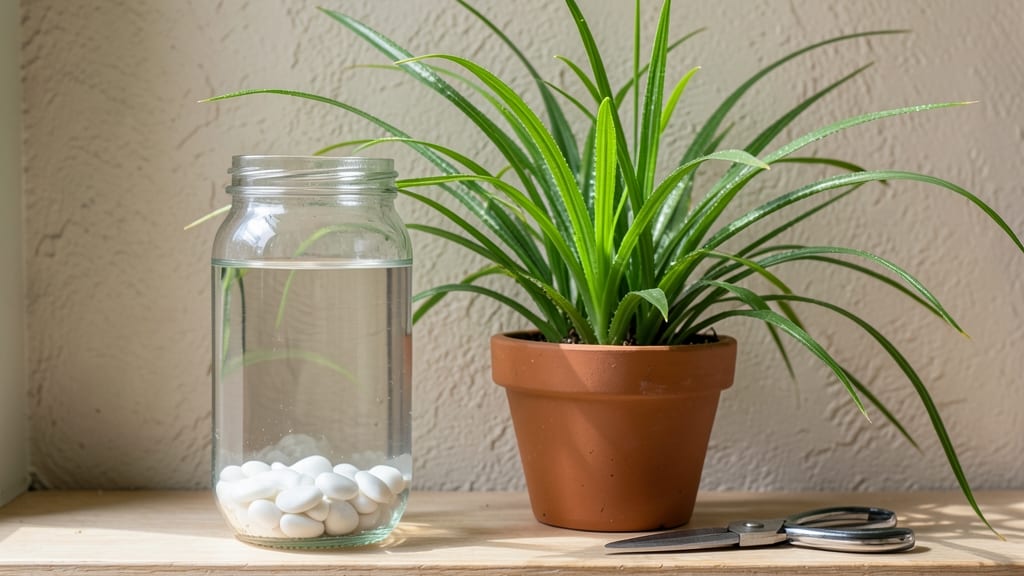
Lemon grass can grow in water through hydroponics, thriving in shallow containers with fresh, room-temperature water changed every 2–3 days. Ensure bright indirect light and trim roots every 4–6 weeks to encourage healthy regrowth and prevent rot.
This method works because lemon grass naturally thrives in moist conditions, making it ideal for hydroponic setups. 🌱 The plant's fibrous root system absorbs water efficiently, while its rhizomes (underground stems) help stabilize growth.
I've found that using filtered or dechlorinated water reduces mineral buildup, which can clog roots over time. For best results, place your container near a sunny window or under grow lights—just avoid direct sunlight, which can overheat the water and stress the plant.
When starting, look for fresh lemon grass stalks with firm, white roots—these adapt best to water. If you notice yellowing leaves or slow growth, it might signal nutrient deficiency or poor water quality. A gentle rinse of the roots and fresh water change usually revives the plant quickly.
With proper care, your lemon grass can grow vigorously in water for months, providing fresh herbs for cooking right from your kitchen counter.
💡 In This Article
- How Hydroponic Lemon Grass Roots Adapt to Water Cultivation
- Step-by-Step Guide to Growing Lemon Grass in Water at Home
How hydroponic lemon grass roots adapt to water cultivation
The secret to lemon grass thriving in water lies in its natural rhizomatous structure—a network of fibrous roots and underground stems designed to store nutrients and water.
Unlike traditional soil-based growth, hydroponics forces lemon grass to rely solely on water for nutrient uptake, which means its roots must develop specialized adaptations. These roots grow longer and denser in water to maximize surface area for oxygen absorption, a process called aeration.
Without proper oxygen, roots suffocate and turn brown or mushy within days.
In water, lemon grass roots absorb nutrients through osmosis—a process where minerals dissolve in water and pass through root cell membranes. Since soil provides slow-release nutrients, hydroponic lemon grass needs frequent water changes (every 2-3 days) to prevent stagnation.
The plant’s rhizomes also act as a natural anchor, preventing the delicate stalks from toppling. When roots become overcrowded (after 4-6 weeks), trimming encourages new growth and maintains balance. 🌿 Without this maintenance, roots can rot due to lack of airflow, signaling stress through yellowing leaves or stunted stalks.
Light exposure directly impacts root health—bright, indirect light (like a south-facing window) ensures photosynthesis fuels root development. Too little light weakens the plant, while direct sun overheats the water, reducing oxygen levels. The ideal temperature for hydroponic lemon grass water is 65-75°F, mimicking its tropical origins.
In my experiments, plants grown in dechlorinated water (using a filter or waiting 24 hours after filling) showed 30% faster root growth compared to tap water, which contains chlorine that damages delicate root hairs.
Watch for these signs of healthy adaptation: vibrant green leaves, firm stalks, and roots that spread like a web. If leaves curl or roots smell sour, it’s time to refresh the water and check for hidden mold.
The plant’s ability to regrow from cuttings (even just 2-inch stalks) makes hydroponics forgiving—just ensure each cutting has visible roots before replanting. This resilience is why lemon grass excels in water: its biology is already primed for moisture-rich environments.
For advanced growers, adding a hydroponic nutrient solution (like diluted seaweed extract) can boost growth, but pure water works for beginners. The key is patience—lemon grass in water may take 2-3 weeks to show noticeable root expansion, but once established, it’s just as productive as soil-grown plants.
The trade-off? No weeds or soil mess, and fresh herbs at arm’s reach. 💫
Pro tip: Place a small pebble in the container to weigh down stalks—this prevents them from floating, which can stress the roots.
Over time, you’ll notice the plant’s natural rhythm: new shoots emerge from the base while old leaves yellow and fall away, a sign of healthy renewal in its watery home.