
Pruning
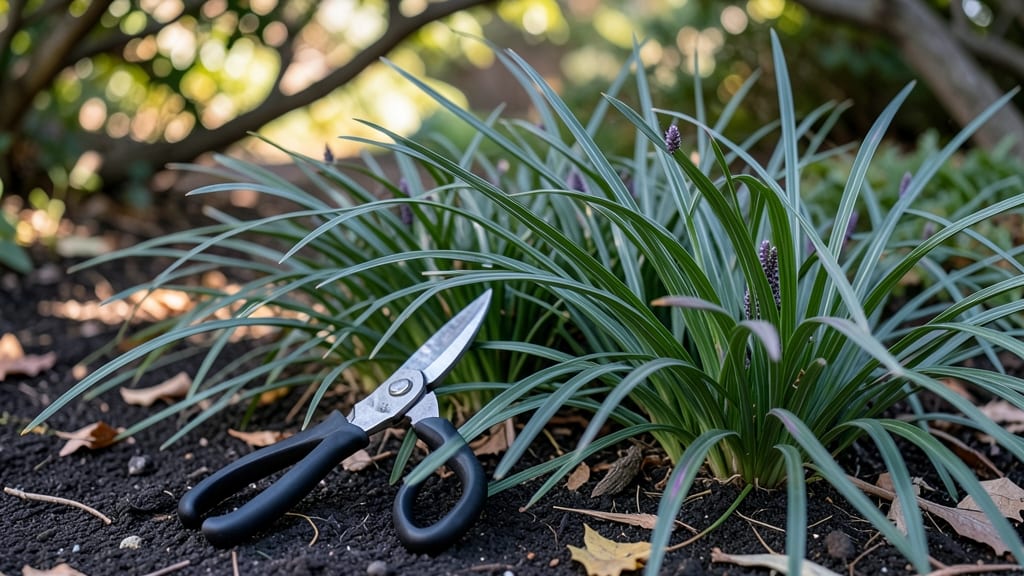
Cutting back monkey grass transforms your yard from scraggly to showstopping—and it’s easier than you think. ✂️ I’ve spent years watching this tough grass go from wild and woody to lush, clumping beauty, all by following a few key pruning rules.
The secret? Timing, height, and knowing when to stop before you strip the plant bare.
You’ll need sharp pruners (dull blades tear the grass), a clean rake for cleanup, and gloves—this stuff is spiky when it’s dry. The best time to cut back is late summer or early fall, after flowering but before frost.
Never shave it to the ground; leave 2-3 inches of stubble to protect the roots and encourage fresh growth next spring.
Start by trimming straggly stems to shape the clump, then cut back overgrown leaves to about half their height. The goal is to open up the center so air circulates—this prevents fungal issues and keeps the grass vibrant.
Afterward, rake away debris and water lightly to help recovery. Within weeks, you’ll see new shoots pushing through, thicker than ever.
Over-pruning is the biggest mistake—it takes years to recover. If you’ve gone too far, don’t panic: water deeply and fertilize lightly in spring. Monkey grass is resilient, but it won’t bounce back if you strip it down to the dirt.
For year-round results, repeat the process every 12-18 months, adjusting for your climate.
📚 In This Guide
- What you need
- Instructions
- Tips and common mistakes
- Wrapping up and next steps
What you need
- ● Sharp pruning shears or hedge clippers – Choose bypass (for clean cuts) or anvil (for thicker stems). Size: 6–8" blades for precision.
- ● Heavy-duty gardening gloves – Protect your hands from sharp edges and sap. Tip: Opt for cactus/rose-resistant material for durability.
- ○ Pruning saw (optional but helpful) – For thick, woody stems (1" or larger). Type: Curved-tooth saw for clean cuts.
- ○ Loppers (optional) – Extend your reach for tall clumps. Size: 18–24" for most monkey grass varieties.
- ● Disinfectant (70% isopropyl alcohol or bleach solution) – 1 part bleach to 9 parts water to sterilize tools between cuts and prevent disease.
- ● Sharpie or permanent marker – For marking spent or new growth areas if needed.
- ● Choose the right time – Trim after flowering (late summer/early fall) or in early spring before new shoots emerge.
- ● Water the plant 24 hours prior – Hydrated grass recovers faster and reduces stress.
- ● Clear the area – Remove debris, rocks, or tools that could snag your clippers.
- ○ Wear safety gear (optional) – Safety goggles if your grass is dusty or near traffic.
Step-by-Step guide to pruning monkey grass for year-round fullness
Here's how I transform straggly clumps into lush, dense mounds—no guesswork, just science-backed timing and technique.
✂️ Step 1: Time Your First Cut for Spring Awakening
Wait until early spring when new growth emerges—look for 2-3 inch shoots pushing through the soil. This is your cue that the plant has broken dormancy and can handle pruning. I always cut back 1/3 of the oldest stems first, focusing on the thinnest, least productive growth that's crowded out the center.
Use clean, sharp pruners to make cuts at a 45-degree angle about 1/4 inch above a leaf node. This angle prevents water from pooling on the cut and encourages new shoots to emerge from the side buds. Avoid cutting into the thick, woody base—monkey grass regenerates poorly from there, and you'll end up with bare patches.
✂️ Step 2: Thin Out the Center for Airflow and Light
After the first cut, move to the center of the clump where growth often gets dense and leggy. Remove any stems growing inward—these compete with the outer fronds for sunlight and nutrients. You'll know you're doing it right when you can see light filtering through the middle of the plant.
I like to work in three passes: first the oldest stems, then the inward-growing ones, and finally any dead or brown fronds that didn't winter well. Toss these in the compost—monkey grass decomposes quickly and adds nutrients back to the soil. Never pull stems by hand; you'll tear the roots and create gaps in the clump.
☀️ Step 3: Shape for Balance and Encourage Bushier Growth
Step back and assess the plant's natural shape. Monkey grass grows in clumps, so I aim for a rounded, slightly domed form rather than a flat, sprawling look. Trim the outer edges to create a gradual slope—this prevents the plant from looking like a bowl with bare soil in the middle.
For extra bushiness, cut back some of the tallest fronds by half. This might seem counterintuitive, but removing the dominant growth signals the plant to put energy into lateral buds instead. Within 4-6 weeks, you'll see new shoots popping up along the stems where you made cuts. Water deeply after pruning to help the plant recover.
⏰ Step 4: Maintain Through the Growing Season
After the initial spring pruning, light maintenance keeps monkey grass looking its best. Every 4-6 weeks, remove any stems that grow taller than the rest—this prevents the plant from becoming top-heavy and leggy. A quick once-over trim in mid-summer (around July) removes any flower stalks (if they appear) and wilted fronds from heat stress.
I avoid heavy pruning in late summer or fall—the plant needs time to harden off before winter. Instead, I do a light cleanup in October, removing only the most damaged growth. This gives the roots time to store energy for next spring's flush of new growth. Mulch lightly after this final trim to protect the crown from freezing temperatures.
🌱 Step 5: Revive Leggy or Overgrown Clumps
If your monkey grass has gotten too tall and sparse, don't despair—it can bounce back with aggressive pruning. On a cool, overcast day (to reduce stress), cut back half of the plant to 6-8 inches tall. This might look drastic, but within 8-12 weeks, you'll see dense, new growth from the base.
For severely overgrown clumps, divide and conquer: dig up the entire plant, separate it into 3-4 smaller sections, and replant the healthiest portions. This rejuvenates both the parent plant and gives you free propagation material. Water deeply after replanting and avoid heavy pruning for the first 4 weeks to let the roots establish.
Tips & tricks for perfect monkey grass pruning
Common pitfalls—and how to sidestep every one—when transforming your monkey grass from straggly to showstopping. The difference between a mediocre result and an absolutely stellar one often comes down to these details.
Timing Secret: The early spring timing in Step 1 is critical because that's when the plant's energy shifts from dormancy to growth. If you prune too early, you'll cut back into last year's growth that hasn't yet regenerated. Wait until you see those 2-3 inch shoots—that's your green light. I've learned this the hard way after accidentally pruning in late winter when the plant was still dormant, resulting in weak regrowth. Also, avoid pruning on hot afternoons—morning or late afternoon cuts reduce stress on the plant.
Cutting Technique: That 45-degree angle in Step 1 isn't just for looks—it's plant biology. The angled cut prevents water from pooling on the stem, which could lead to rot. More importantly, it exposes more surface area for new shoots to emerge from the side buds. When making cuts, imagine you're creating a tiny roof over the leaf node below. This technique alone can double your regrowth rate. And never cut into the woody base—monkey grass has limited regenerative ability from that thick center.
Visual Cues for Success: In Step 2, when you're thinning the center, you're aiming for what I call the "light test." If you can see sunlight filtering through the middle of your clump, you've done it right. This isn't just about aesthetics—proper airflow prevents fungal issues and allows all parts of the plant to photosynthesize efficiently. For the three-pass system, I mark my progress with a small flag or stake after each pass to avoid over-trimming any section. This systematic approach ensures even regrowth throughout the clump.
Seasonal Strategy: The October cleanup in Step 4 is often overlooked, but it's just as important as spring pruning. This final trim helps the plant harden off properly for winter. I always do this after the first frost when the plant's growth naturally slows. The light mulching afterward acts like a blanket, protecting the crown while still allowing water to penetrate. This simple step has prevented winter dieback in my own plants during particularly harsh winters.
Pro Tips for Cutting Back Monkey Grass
- Common pitfalls—and how to sidestep every one—when transforming your monkey grass from straggly to showstopping.
- Timing Secret: The early spring timing in Step 1 is critical because that's when the plant's energy shifts from dormancy to growth.
- Cutting Technique: That 45-degree angle in Step 1 isn't just for looks—it's plant biology.
Frequently asked questions
Got questions about trimming your monkey grass? You’re not alone!
Here are some of the most common concerns—plus quick, actionable answers to keep your yard looking sharp without stress.
When is the best time to cut back monkey grass?
Prune Liriope muscari (monkey grass) in early spring (before new growth starts) or late summer (after flowering). Avoid heavy cuts in winter—it’s dormant and more vulnerable to cold damage. For year-round shape, do light trims as needed, but never remove more than ⅓ of the foliage at once.
How short can I cut monkey grass without harming it?
Leave at least 2–3 inches of growth above the soil to protect the crown. Cutting too short risks exposing the base to rot or sunburn. If you’re overdue, trim gradually over 2–3 sessions to avoid shocking the plant. Think of it like a haircut—less is more!
What should I do if my monkey grass turns brown after pruning?
Brown tips or patches are often normal in winter, but if it happens after trimming, you may have cut too aggressively. Water deeply and fertilize lightly with a balanced formula (10-10-10). If the damage persists, check for pests (like spider mites) or fungal issues—remove affected clumps and treat with neem oil if needed.
Can I use hedge trimmers or just shears for monkey grass?
For neat edges, hedge trimmers work great, but for thicker clumps, sharp pruning shears or a string trimmer (set to a medium height) are better. Avoid dull tools—ragged cuts stress the plant. Pro tip: Wear gloves—monkey grass has sharp leaf edges!
What’s a good alternative if I hate pruning monkey grass?
If maintenance feels like a chore, try low-maintenance alternatives like sedge (Carex), world grass (Mondo), or Japanese blood grass (Imperata). These stay tidy with minimal trimming. For a similar look, Liriope ‘Big Blue’ is a tough, clumping variety that needs less frequent pruning.
Wrapping up and next steps
Cutting back monkey grass doesn’t have to be intimidating—with the right tools, timing, and techniques, you’ll unlock lush, year-round growth that’s both healthy and vibrant. Remember, consistency is key: trim in early spring, deadhead flowers, and prune aggressively in late winter to encourage fresh shoots.
Your garden will thank you with thicker foliage and stunning blooms!
Ready to transform your monkey grass? Grab your pruners and start today! For extra confidence, watch a quick pruning tutorial or join a local gardening group to swap tips. Happy pruning—your garden’s new look awaits! 🌿✨