
Lawn
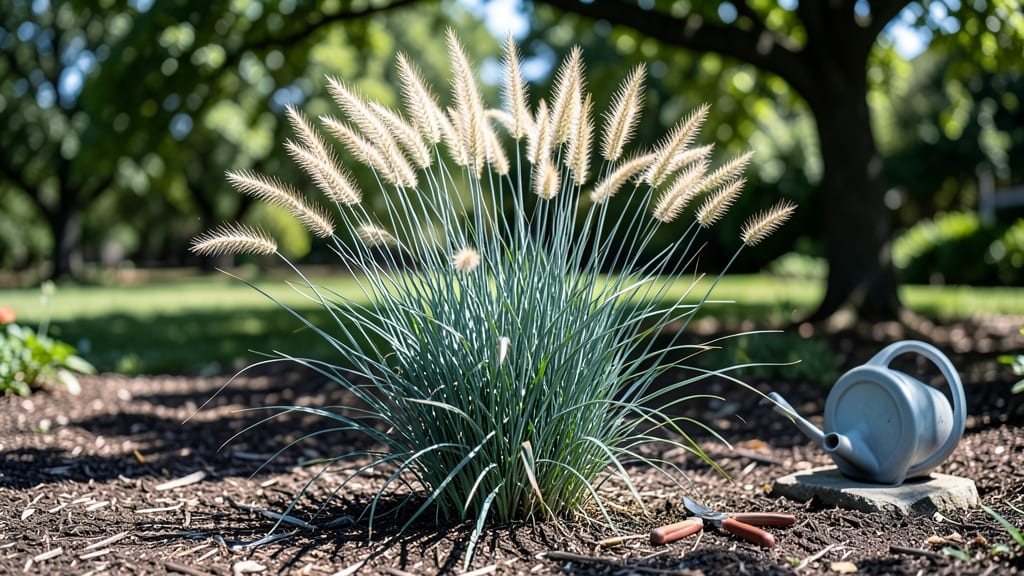
Brome grass lawns thrive where Bermuda gives up—drought-proof turf that stays green when others brown. I’ve battled thin lawns for years, but brome grass changed everything: it handles heat, foot traffic, and poor soil like a champ. The catch?
It’s not your grandpa’s lush carpet—it’s a tough, fine-textured grass that outlasts most alternatives in tough climates. The secret lies in its deep roots and resilience. Unlike Bermuda, which struggles in shade or drought, brome grass bounces back from mowing, traffic, and even light foot traffic.
It’s the go-to for Southern California yards, golf courses, and sports fields where durability matters more than perfection. But here’s the trade-off: it’s not as soft underfoot, and weeds can sneak in if you’re not vigilant.
By the end of this guide, you’ll know how to seed, maintain, and troubleshoot brome grass for a lawn that stays green under stress—without the high maintenance.
We’ll cover the best varieties, watering hacks, and when to pull it out if it’s not the right fit for your yard’s style. Whether you’re replacing Bermuda or starting fresh, this grass delivers where others fail. Let’s get your lawn drought-proof.
Root Causes Of Unwanted Grass Spread
Brome grass—especially smooth Bromus inermis—often invades lawns with persistence, turning lush turf into a patchwork of unwanted blades. Understanding why it thrives (and outcompetes your desired grass) is the first step to reclaiming control.
Here’s a breakdown of the key factors driving its spread, backed by science and actionable insights.
Brome grass is a cool-season opportunist that thrives in soils where other grasses struggle. Its resilience stems from adaptability to:
- Compacted or low-nutrient soil: Brome grass excels in poorly aerated, clay-heavy, or nutrient-deficient soils where turfgrass roots suffocate. Compacted soil limits water and oxygen flow, weakening desirable grasses like Kentucky bluegrass or fescue—giving brome an opening. Test your soil’s compaction by pressing a screwdriver into the ground; if it resists past 1.5 inches, compaction is likely the culprit.
- High pH (alkaline soil): Brome grass prefers pH levels above 7.0, where essential nutrients like iron, manganese, and phosphorus become locked away. Most lawn grasses (e.g., Bermuda, tall fescue) prefer slightly acidic soil (pH 6.0–7.0). If your soil pH is unchecked, brome grass outcompetes nutrient-starved turf.
- Lack of organic matter: Brome grass spreads aggressively in sandy or rocky soils with minimal organic material. Organic matter (like compost) improves water retention and microbial activity—key for turfgrass health. Without it, brome’s deep, fibrous roots dominate.
💡 Pro Tip: Conduct a DIY soil test (or send a sample to a lab) to check pH, compaction, and organic matter. Amend with gypsum (for compaction), sulfur (to lower pH), or compost (for organic matter) before reseeding.
Brome grass is a drought-tolerant survivor, but its spread is often accelerated by irregular or excessive watering—two common lawn care mistakes:
- Overwatering (leading to fungal stress): While brome grass handles moisture well, constant wet soil (from overwatering or poor drainage) creates conditions for fungal diseases like brown patch or dollar spot. These diseases weaken turfgrass, creating gaps where brome seeds germinate and take root.
- Underwatering (stressing desired grass): Brome grass has a deep taproot system (up to 6 feet), allowing it to access water deep in the soil. When you water shallowly or infrequently, your lawn’s shallow-rooted grasses (like Bermuda) wilt, while brome thrives in the remaining moisture.
- Inconsistent watering schedules: Brome grass spreads rapidly in dormant or stressed lawns. Skipping watering during heatwaves or droughts sends your turf into survival mode—perfect for brome’s aggressive seed dispersal via wind or mower blades.
🔥 Actionable Fix: Water deeply 2–3 times per week (early morning, 1–1.5 inches per session) to encourage deep root growth in your turf. Use a smart sprinkler system to avoid over/underwatering.
Brome grass spreads via seeds and rhizomes, and poor lawn maintenance accelerates its takeover. Here’s how:
- Cutting grass too short: Mowing brome grass at below 2–3 inches weakens its competitive edge but also stresses your turf, creating bare spots. Short mowing exposes soil to sunlight, triggering brome seed germination. Plus, clippings left too long can smother desired grass.
- Skipping regular mowing: Tall grass (especially brome) self-seeds aggressively. When you let grass grow unchecked, brome drops thousands of seeds per plant, ensuring a self-perpetuating invasion.
- Ignoring thatch buildup: A thatch layer thicker than 0.5 inches blocks water, air, and nutrients from reaching roots. Brome grass penetrates thick thatch while suffocating turfgrass. Dethatch annually with a vertical mower or rake.
🎯 Best Practices:
- Mow at 3–4 inches for turfgrass (or 2–3 inches for brome control).
- Use a sharp mower blade to avoid tearing grass (which spreads disease).
- Remove clippings if your lawn has thatch > 0.5 inches or fungal issues.
One of the most frustrating ways brome grass invades is through contaminated seed mixes. Here’s why it happens:
- Low-quality seed suppliers: Some turfgrass seed blends contain 1–5% brome grass as a "filler" to reduce costs. While small amounts may not cause issues initially, over time, brome outcompetes the intended grass species.
- Misleading labeling: Seed bags may list pure Kentucky bluegrass but include brome as a weed seed contaminant. Always check for "certified weed-free" labels or buy from reputable suppliers.
- Windborne seed drift: Brome grass seeds are lightweight and travel easily on wind. If a neighbor’s field or nearby construction site has brome, seeds can land in your lawn and germinate within days.
✨ Prevention Tip: Purchase certified weed-free seed from trusted brands like Pennington or Sod Palace. For existing lawns, pull brome by hand before it seeds (wear gloves—it’s tough!).
Brome grass doesn’t just invade—it exploits weaknesses in soil, water, and maintenance. By addressing these root causes, you can starve it out and restore your lawn’s dominance. Next up: How to Outcompete It.
How to solve it
Brome grass may be drought-resistant, but it can quickly become an unwelcome guest in your lawn—especially if it’s crowding out your desired turf. Whether it’s smooth brome or California brome, tackling it requires a mix of mechanical, chemical, and preventive strategies.
Below, we break down the best fixes for each common cause, plus tips to keep your lawn lush and brome-free.
If brome grass sneaked in during overseeding (often from contaminated seed bags), the first step is to identify the issue. Since brome spreads aggressively, you’ll need to act fast.
- 🍳 Step 1: Pull or Dig It Out
For small patches, hand-pull brome grass before it seeds (early spring or fall). Use a weeding tool or your hands to grasp the roots—brome’s fibrous system makes this tricky, so persistence pays off.
For larger areas, rent a sod cutter or dethatcher to remove the top layer of soil where brome thrives.
- 👨🍳 Step 2: Apply Pre-Emergent Herbicide
Once pulled, treat the area with a pre-emergent herbicide (like pendimethalin or prodiamine) to block new seedlings. Timing is key—apply 4–6 weeks before your desired grass’s planting season.
- 🥘 Step 3: Reseed with Certified Seed
Buy certified weed-free seed from reputable suppliers. Mix in compost or topsoil (2–3 inches deep) to create a fresh, brome-free growing medium. Water lightly daily for the first 2 weeks to encourage germination.
💡 Pro Tip: Test your soil’s pH (ideal: 6.0–7.0 for most grasses). Brome tolerates alkaline soil—amending with sulfur or peat moss can weaken its competitive edge.
If brome grass is already dominating your lawn, you’ll need a two-pronged attack: weaken the brome while strengthening your desired grass.
| Cause | Fix | Prevention |
|---|---|---|
| Thin, Stressed Lawn |
|
|
| Poor Drainage |
|
|
| Shady or Dry Spots |
|
|
✨ Expert Hack: Solarize the soil in summer for stubborn brome patches. Cover the area with clear plastic for 4–6 weeks to bake out weeds and seeds (works best in hot, dry climates).
Brome grass has a deep root system and produces thousands of seeds—so prevention is your best defense.
- ⏰ Timing Is Everything
Brome seeds germinate in fall and spring. Apply pre-emergent herbicide in:
- Early spring (March–April)
- Late summer (August–September)
- 🌡️ Adjust Your Watering
Brome thrives in moist but not soggy conditions. Water deeply but infrequently (1–1.5 inches/week) to encourage deep root growth in your desired grass. Avoid daily light watering, which favors weeds.
- 🎯 Choose the Right Grass
If brome keeps returning, switch to native or drought-resistant grasses like:
- Buffalograss (zero-maintenance, deep roots)
- Blue grama (tolerates heat and poor soil)
- Tall fescue (shade-tolerant, dense growth)
💡 Pro Tip: Mow your lawn regularly (never cutting more than 1/3 of the blade height at once). Taller grass blocks sunlight and outcompetes brome seeds.
Frequently asked questions
Why does brome grass spread so aggressively in my lawn?
Brome grass thrives in compacted, nutrient-poor, or alkaline soil where other grasses struggle. Its deep roots access water and nutrients that shallow-rooted grasses can't reach. Plus, it spreads via seeds and rhizomes, taking advantage of thin lawns or poor maintenance routines like inconsistent watering or mowing too short.
Can I safely use chemical herbicides on brome grass?
Yes, but choose selective herbicides like mesotrione or prodiamine for post-emergent control. Always follow label instructions—apply when brome is actively growing (spring/fall) and avoid overapplication, which can harm your desired turf. For organic options, try corn gluten meal as a pre-emergent or vinegar-based sprays for spot treatment.
How can I prevent brome grass from coming back after removal?
Start with soil testing to adjust pH (aim for 6.0–7.0) and improve organic matter. Then, overseed with certified weed-free grass like tall fescue or buffalograss, and apply pre-emergent herbicide in early spring/late summer. Mow at 3–4 inches to shade out seeds, and water deeply but infrequently to discourage brome's growth.
Is brome grass ever beneficial for lawns?
Brome grass has drought tolerance and handles foot traffic well, making it useful for sports fields or high-traffic areas where durability matters. However, its coarse texture and aggressive spread make it less ideal for residential lawns unless you're targeting a low-maintenance, tough turf. For ornamental lawns, native grasses like buffalograss may offer similar benefits without the invasiveness.
What’s the best time of year to tackle brome grass?
Target brome in early spring (March–April) or late summer (August–September) when it’s actively growing. This is when pre-emergent herbicides work best to block seeds, and post-emergent treatments are most effective. Avoid treating in winter or drought—brome goes dormant and won’t respond to herbicides.