
How To
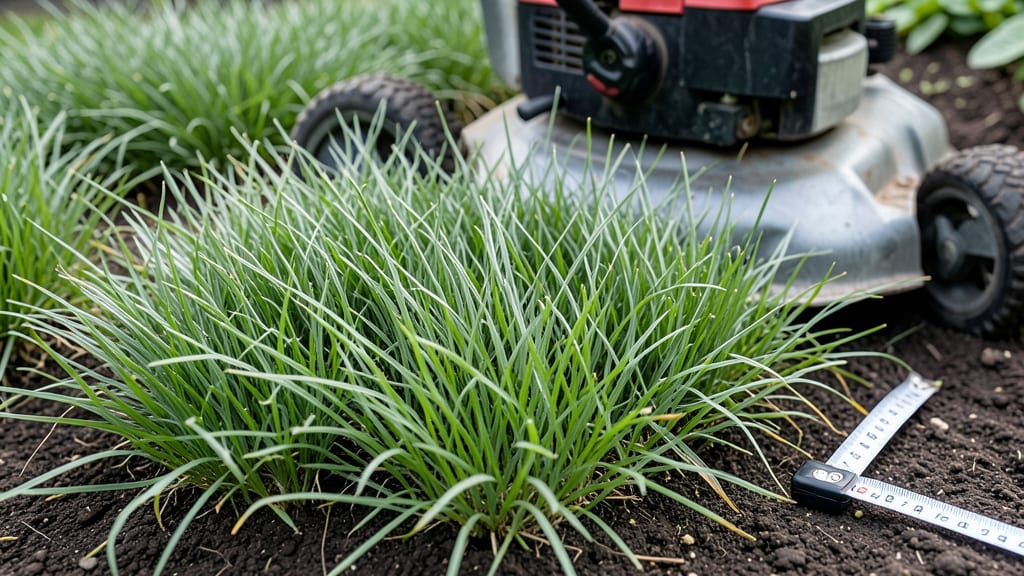
Letting new grass grow to 3–4 inches tall before cutting is the secret to a lawn that thrives from day one 🌱—not the guesswork most beginners stumble into.
Skipping the first mow of your new lawn can mean the difference between a patchy, weak grass patch and a lush, resilient carpet—so why do so many gardeners get it wrong?
The answer lies in those first few weeks. When grass reaches 3–4 inches, its roots grow deep enough to crowd out weeds and survive drought. Cut too soon, and you risk scalping the soil, inviting weeds, or leaving your lawn vulnerable to disease.
In this guide, I’ll walk you through the exact timing, grass type differences, and the one mistake that ruins more new lawns than any other. By the end, you’ll know not just when to cut, but how to set your lawn up for years of success.


The 3-4 inch rule: why first-cut height matters for grass roots
When your new grass first sprouts, it’s tempting to grab the mower and tidy up those uneven patches. But cutting too soon can stunt growth and leave your lawn vulnerable to drought and weeds.
The 3-4 inch rule isn’t just a suggestion—it’s a scientific principle that ensures your grass develops a deep, resilient root system before you trim it. Skipping this step can mean the difference between a thick, green lawn and a patchy, weak one that struggles to recover.
Grass roots grow in stages, and the first few weeks are critical. During this time, roots are actively seeking moisture and nutrients deep in the soil. When you cut too early, you remove the photosynthetic energy the blades need to fuel root growth.
This forces the plant to focus on regrowing blades instead of strengthening its foundation. Think of it like a baby tree—you wouldn’t prune its branches before its roots are established, would you?
Here’s the science behind it: Grass blades act like tiny solar panels, converting sunlight into energy through photosynthesis. This energy is then transported to the roots, where it fuels growth. When you cut too short, you reduce the surface area for photosynthesis, starving the roots of the energy they need to grow deep. A well-established root system can access water during droughts and outcompete weeds for space and nutrients.
The 3-4 inch height is the sweet spot because it allows enough blade surface to capture sunlight while giving the roots time to penetrate 4-6 inches deep into the soil. This depth is crucial for drought resistance, as deeper roots can access moisture stored lower in the ground.
Without this depth, your lawn will wilt quickly in dry spells and require frequent watering.
Let’s break down what happens when you ignore this rule. If you cut grass at 1-2 inches tall too early, you risk scalping, where the mower removes too much blade, exposing the soil.
This can lead to brown patches, increased weed growth, and a lawn that never fully recovers its density. Even if you avoid scalping, shallow roots mean your grass will struggle in heatwaves and recover slowly after mowing.
| Root Growth Stage | Grass Height | Root Depth | Photosynthesis Energy | Risk of Damage |
|---|---|---|---|---|
| Seedling (0-2 weeks) | 0.5–1 inch | 0–1 inch | Low (small blades) | High (scalping) |
| Establishment (2-4 weeks) | 2–3 inches | 1–2 inches | Moderate (growing blades) | Medium (if cut too short) |
| Maturation (4-6 weeks) | 3–4 inches | 3–6 inches | High (optimal blades) | Low (safe to cut) |
| Mature (6+ weeks) | 3–4+ inches | 6+ inches | High (full growth) | None (roots established) |
Now that you understand the why, let’s talk about the how. Most gardeners make the mistake of mowing too early because they’re eager to see a neat, uniform lawn. But patience pays off. Wait until your grass has reached 3-4 inches tall before making that first cut.
This usually takes 4-6 weeks, depending on your grass type and weather conditions. For example, cool-season grasses like Kentucky bluegrass grow faster in spring and may reach this height in about a month, while warm-season grasses like Bermuda grass might take a little longer in hot climates.
Once your grass hits the 3-4 inch mark, set your mower to a higher blade setting—never remove more than one-third of the blade height at once. This rule applies to every mowing after the first.
For instance, if your grass is 4 inches tall, set your mower to 3 inches and never lower. This gradual approach prevents stress on the plant and encourages continuous root growth. Over time, you’ll notice your lawn becomes denser, greener, and more drought-resistant.
Another common question is whether weather conditions affect this rule. Absolutely! If you’re in a dry climate or experiencing a heatwave, delay your first mow even longer.
When to first cut new grass: seasonal timing and grass type differences
Timing your first grass cut is just as important as how tall you let it grow. Cool-season grasses like Kentucky bluegrass and fescue thrive in spring and fall, while warm-season grasses such as Bermuda and Zoysia peak in late spring through summer.
Your climate zone dictates when to adjust the 3-4 inch rule—early spring plantings may need extra time to reach this height before cutting.
For cool-season grasses, aim to make the first cut when blades reach 3-4 inches tall—typically 6-8 weeks after planting.
In warmer climates, this may happen sooner, while northern regions might delay until late spring when soil warms. Warm-season grasses should wait until after the last frost and soil temperatures exceed 60°F, often 8-12 weeks post-planting.
| Grass Type | Best Time to First Cut | Height Before Cutting | Climate Adjustments |
|---|---|---|---|
| Cool-Season (Kentucky Bluegrass, Fescue) | Spring/Fall, 6-8 weeks after planting | 3-4 inches | Wait longer in cold climates |
| Warm-Season (Bermuda, Zoysia) | Late spring/summer, 8-12 weeks after planting | 3-4 inches | Cut earlier in hot, dry climates |
| Tall Fescue (Drought-Tolerant) | Early spring, 7-9 weeks after planting | 4-5 inches | Wait for deep root establishment |
| St. Augustine (Humid Climates) | Late spring, 10-12 weeks after planting | 3-4 inches | Avoid cutting in high heat |
Adjust your cutting height if you planted early or late in the season. For fall plantings, delay the first cut until spring to allow roots to strengthen before winter. In hot climates, warm-season grasses may reach 3-4 inches faster—monitor growth closely to avoid scalping the lawn.
Never cut new grass when it’s shorter than 2.5 inches, as this weakens roots and invites weed invasion.
Use a sharp mower blade to prevent tearing grass, which stresses the plant. Mow frequently (every 1-2 weeks) once established, but never remove more than 1/3 of the blade height at once.
Watch for color changes in your grass—healthy blades stay deep green. If you see yellowing or thinning, you’ve likely cut too soon. Cool-season grasses may need 2-3 cuts per season in their first year, while warm-season types can handle 4-5 cuts during peak growth.
Pro tip: Mark your planting date on a calendar to track 6-8 week milestones for cool-season grass or 8-12 weeks for warm-season types. This ensures you’re ready to cut at the perfect height for a thicker, healthier lawn next season. ✂️🌱