
Lawn
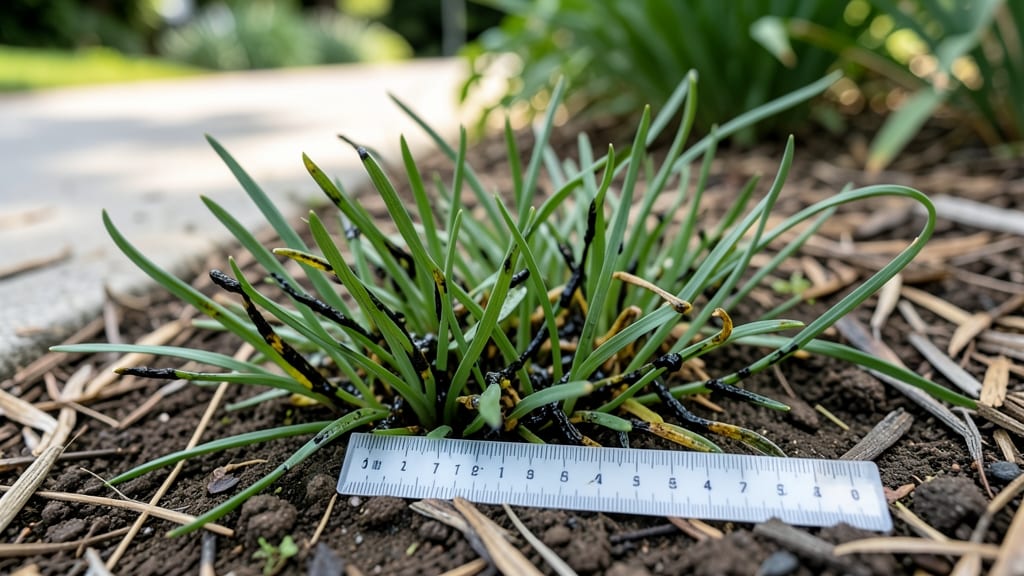
That black slime creeping across your lawn isn’t just unsightly—it’s a sign your grass is fighting an unseen battle. 🌱 I’ve wrestled with this slimy mess more times than I’d like to admit, and I’ve learned the difference between harmless algae and something serious that needs professional help.
The good news? Most cases clear up in 10 minutes with the right approach—and you don’t need harsh chemicals to do it.
First, identify what you’re dealing with: is it soft and slimy (likely algae), fuzzy or powdery (moss), or black and crusty (fungal disease)? Algae thrives in shady, damp spots, while moss and fungus often mean poor drainage or overwatering.
Grab a small shovel, a broom, and a 5-gallon bucket of water—that’s all you need for a natural cleanup. The key is to act fast before it spreads to your entire lawn.
You’ll walk away with grass that looks fresh and healthy, not just scrubbed. The right technique removes the slime without damaging your lawn, and I’ll show you how to keep it from coming back—whether that means adjusting your watering, improving airflow, or fixing drainage issues.
No more hiding your yard in shame; this works even for stubborn patches.
This method is safe for kids and pets once dry, and it works for any grass type—from fescue to Bermuda. If the slime keeps returning after cleanup, though, that’s your cue to dig deeper into soil health or consult a local lawn pro.
Let’s get that lawn back to looking its best without the guesswork.
📚 In This Guide
- What you need
- Instructions
- Tips and common mistakes
- Wrapping up and next steps
What you need
- ● Garden hose with a spray nozzle (or a bucket of water if no hose is available)
- ● Soft-bristle brush (deck brush or stiff-bristled lawn broom works too)
- ● White vinegar (1 gallon) – the secret weapon for breaking down organic slime
- ● Dish soap (1 tbsp, mild like Dawn or Castile soap)
- ● Baking soda (½ cup, for scrubbing power)
- ● Plastic gloves (to keep your hands happy)
- ● Trash bag (for debris cleanup)
- ● Pressure washer (low setting, if you’ve got one—game-changer for stubborn slime)
- ● Rubbing alcohol (70% isopropyl) (½ cup, for extra disinfecting)
- ● Garden trowel or putty knife (to scrape off thick patches)
- ● Spray bottle (for mixing your DIY cleaner)
- ● Check the weather—no rain for 24 hours after cleaning!
- ● Wear old clothes (vinegar + grass = potential stains)
- ● Test your solution on a small patch of grass first (just in case!)
How to remove black slime from grass naturally
Here's my go-to method for banishing that stubborn black slime fast—no harsh chemicals needed.
🧼 Step 1: Sweep or Rake Up Large Debris First
Start by clearing away any twigs, leaves, or pet waste that might be contributing to the slime buildup. Use a stiff broom or leaf rake to gather loose debris into a pile for disposal. This step prevents you from spreading the mess around while you work.
Pay special attention to shaded areas or spots where water pools—these are prime slime hotspots. I like to work in sections, moving from the edges inward to avoid missing anything. Once the surface looks mostly clean, you'll notice the black slime stands out more clearly, making the next steps easier.
💦 Step 2: Apply a Vinegar and Water Solution
Mix equal parts white vinegar and warm water in a spray bottle or garden sprayer. The acidity in vinegar breaks down the organic compounds causing the slime without harming your grass. For a 10-foot-by-10-foot area, about 1 gallon of solution works perfectly.
Spray the mixture directly onto the blackened areas until the grass looks evenly damp but not soaked. Avoid oversaturating, as this can lead to fungal issues. I like to work in small sections—about 3 feet by 3 feet at a time—so I can see the results as I go. Let it sit for 5-10 minutes while you prep the next area.
✂️ Step 3: Scrub Gently with a Soft Brush
Use a stiff-bristled brush or a plastic lawn rake to gently scrub the treated areas in circular motions. The vinegar solution loosens the slime, so it lifts away with minimal effort. For stubborn patches, I dip the brush in fresh solution and scrub again—this usually does the trick without damaging the grass.
Work in the same sections you sprayed earlier. You'll see the black slime lifting and turning into a darker, more manageable residue. Avoid aggressive scrubbing, especially on younger grass, as this can tear blades. If you notice any grass turning pale or limp, it's a sign you're being too rough—switch to a softer brush immediately.
💧 Step 4: Rinse with Clean Water
Use a garden hose with a gentle spray nozzle to rinse away the loosened slime and vinegar residue. Start at the edges of the treated area and work your way inward to avoid pushing the slime back onto clean grass. A light rinse is all you need—there's no need to soak the lawn.
Check the runoff water as you go. If it's still discolored, give the area another quick scrub and rinse. Once the water runs clear, you'll know the slime is gone. This step also helps neutralize any remaining vinegar odor, leaving your lawn fresh and ready for normal care.
☀️ Step 5: Dry and Monitor for Recurrence
Let the grass dry completely in the sun or with a fan if possible. Direct sunlight helps kill any remaining bacteria or fungi that might cause the slime to return. I like to mow the area lightly after it dries—this helps distribute any remaining moisture evenly and encourages healthy regrowth.
Keep an eye on the treated spots for the next 24-48 hours. If the black slime reappears, it's a sign of an underlying issue like pet waste buildup or poor drainage. In that case, I recommend addressing the root cause—like training pets to use a designated area or improving drainage—before the problem worsens.
Tips & tricks for natural lawn cleanup
A few quick tricks that'll make your grass look fresh again without damaging it or your wallet.
Work in the Right Conditions: The 5-10 minute wait time after applying the vinegar solution is key—this gives the acidity time to break down the slime without over-saturating the grass. I always do this on a dry day when temperatures are between 60-80°F. If it's raining or you've recently watered, wait until the lawn is completely dry first. This prevents the solution from running off and keeps your grass healthy.
Brush Selection Matters: In Step 3, I recommend using a stiff-bristled brush or plastic lawn rake, but don't underestimate a soft-bristled broom for lighter slime buildup. For particularly stubborn patches, I've had great success with a nylon-bristle brush—it's gentle enough for delicate grass but tough enough to lift the slime. Just avoid metal brushes, which can scratch blades and damage your lawn mower later.
Rinse Technique: When rinsing in Step 4, I use a gentle spray nozzle to avoid creating mud or pushing the slime back onto clean areas. Start from the edges and work inward—this prevents cross-contamination. Pro tip: If your hose pressure is strong, move farther away from the lawn to maintain a light spray. You want to remove the residue, not blast it deeper into the grass.
Sunlight Boost: The 24-48 hour monitoring period in Step 5 is crucial for preventing recurrence. Direct sunlight during this time acts like a natural disinfectant, killing any remaining bacteria. If you're treating a large area or it's cloudy, use a fan to circulate air and speed up the drying process. This helps ensure the slime doesn't return and keeps your lawn looking its best.
Pro Tips for Black Slime On Grass
- A few quick tricks that'll make your grass look fresh again without damaging it or your wallet.
- Work in the Right Conditions: The 5-10 minute wait time after applying the vinegar solution is key—this gives the acidity time to break down the slime without over-saturating the grass.
- Brush Selection Matters: In Step 3, I recommend using a stiff-bristled brush or plastic lawn rake, but don't underestimate a soft-bristled broom for lighter slime buildup.
Frequently asked questions
Got questions about that mysterious black slime on your grass? You’re not alone! Here are some of the most common concerns—and quick, easy answers to tackle them head-on.
What causes black slime on grass in the first place?
The black slime is usually a mix of soot, algae, or fungal growth (like Stenotrophomonas bacteria) combined with dirt and moisture. It thrives in damp, shaded areas—think tree canopies, poorly drained spots, or after heavy rain. Think of it as nature’s way of saying, “This lawn needs some TLC!”
How long does it take to clean up black slime completely?
With the right method (like the 10-minute natural cleanup in this guide), you’ll see results immediately. However, for stubborn patches, repeat the process every 2–3 days until the grass looks fresh again. Prevention—like improving drainage—keeps it from coming back!
Is black slime harmful to my lawn or pets?
While it’s not toxic to humans or pets, it’s still unsightly and can weaken grass over time. Pets might track it inside, and the slime can clog mower blades. Clean it up ASAP to keep your lawn—and your furry friends—happy and healthy.
Can I use bleach or harsh chemicals to remove it?
Not recommended!
Bleach can kill your grass and harm the environment. Instead, opt for natural solutions like vinegar, baking soda, or hydrogen peroxide. They’re just as effective without the chemical aftermath. Win-win!
Will black slime come back after rain?
Yes, but don’t panic! Rain spreads moisture, which fuels the slime. After cleaning, improve drainage (like aerating soil or trimming overhanging branches) to reduce future outbreaks. A little prep now saves you time later.
Still stumped? Drop your specific situation in the comments—we’ve got you covered!
Wrapping up and next steps
Dealing with black slime on grass doesn’t have to be a daunting task—with the right tools and a little elbow grease, you can restore your lawn to its vibrant green in just 10 minutes! 🌱 Whether it’s mold, algae, or organic buildup, quick action keeps your yard healthy and looking its best.
Ready to tackle it? Grab your supplies, follow the steps, and watch your lawn shine again. Still unsure? Try a small test patch first to see what works best for your grass type. Happy gardening! 🌟