
Planting
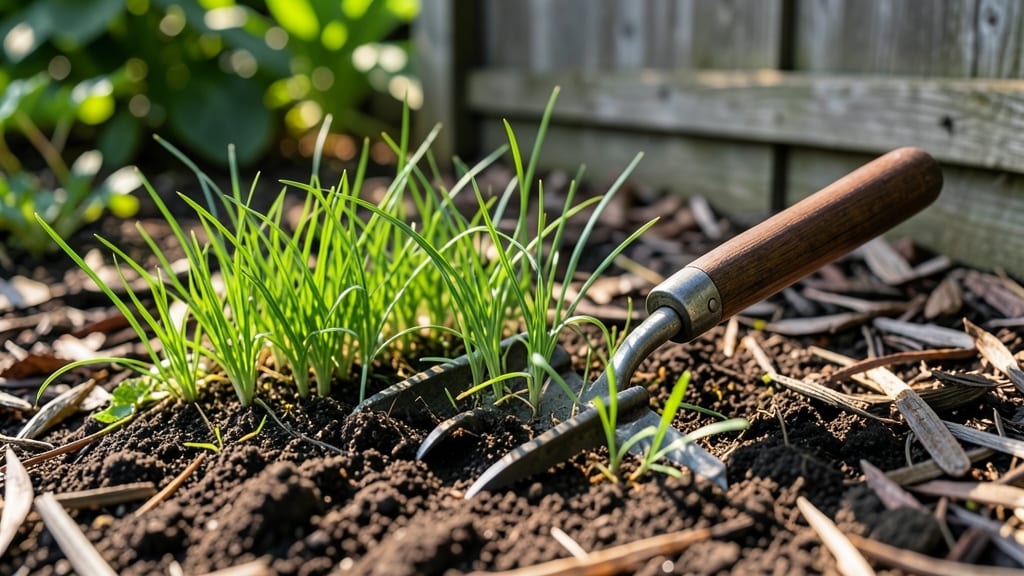
Sowing grass seed the right way means that lush green lawn isn’t just a dream—it’s a 14-day reality. 🌱 I’ve learned that skipping soil prep or rushing watering can turn your first week of growth into a frustrating wait.
The secret isn’t just throwing seed on dirt; it’s creating the perfect conditions for germination. Start with a clean, level surface—no rocks or weeds—and loosen the top inch of soil.
Choose seed based on your climate (cool-season for fall, warm-season for spring) and spread it evenly, about ½ pound per 100 square feet. Lightly rake it in so it touches the soil without burying it too deep. Watering is where most people mess up: light but frequent is key.
Keep the soil damp (not soggy) for the first two weeks—this is when roots establish. You’ll see sprouts in 5-10 days, and by day 14, that patchy dirt will look like a putting green.
This method works for new lawns, patchy areas, or even container grass—just adjust the seed amount. The payoff? A lawn that stays thick, resists weeds, and makes your neighbors jealous. Ready to roll up your sleeves?
📚 In This Guide
- What you need
- Instructions
- Tips and common mistakes
- Wrapping up and next steps
What you need
- ● High-quality grass seed: Choose a blend suited to your climate (e.g., Kentucky Bluegrass, Fescue, or Bermuda). Aim for 5–10 lbs per 1,000 sq ft, depending on seed type.
- ● Lawn fertilizer: A starter fertilizer with high phosphorus (P) (e.g., 5-10-5 or 10-20-10 ratio) to encourage root growth. Apply ½ lb per 100 sq ft.
- ● Rake: A bow rake (for leveling soil) and a stiff-bristled garden rake (for seed coverage).
- ● Garden hose or sprinkler: With a fine mist nozzle to water gently.
- ● Soil pH test kit: To check if your soil needs lime (to raise pH) or sulfur (to lower pH). Ideal pH: 6.0–7.0.
- ○ Mulching hay or straw: Optional but helpful—spread lightly (¼ inch) over seed to retain moisture (avoid thick layers, which can smother seeds).
- ● Garden gloves: To protect your hands from soil and sharp rake edges.
- ○ Lawn roller (optional but recommended): A lightweight (50–100 lb) roller to press seed into soil for better contact.
- ● Seed spreader: A broadcast or drop spreader for even distribution (manual or push-type).
- ● Soil amendment: Compost or peat moss (1–2 inches) if your soil is poor or sandy.
- ● Weed blocker: A pre-emergent herbicide (apply after seeding to prevent weeds).
- ● Shade cloth: If sowing in hot climates, use 30–50% shade fabric to protect seeds from direct sun.
- ● Lawn edging tool: To define borders neatly if seeding near sidewalks or driveways.
Step-by-Step instructions for sowing grass seed like a pro
Here's the foolproof method I've used to transform bare patches into thick, vibrant lawns—every time.
🌱 Step 1: Prepare the Soil for Maximum Seed Contact
Start by mowing any existing grass down to 1 inch to create a clean surface. Use a rake to remove debris and loosen the top ¼ inch of soil—this is where your seeds will nestle. The goal is to create a fine, crumbly texture that lets roots penetrate easily. I like to work in small sections (about 5 feet by 5 feet) so I don't miss spots or compact the soil accidentally.
For bare soil or clay-heavy areas, add a thin layer of compost or topsoil (about ¼ inch deep) to improve drainage and nutrient availability. Rake again to level the surface—any low spots will collect water and drown seeds, while high spots won’t get enough moisture. Run your hand over the area: it should feel smooth but not packed down like a sidewalk.
💧 Step 2: Spread Seed Evenly for Uniform Germination
Use a broadcast spreader for large areas to distribute seed evenly—walk in a crisscross pattern to avoid missing spots. For smaller patches, I like to use my hand, gently scattering seed at the rate recommended on the package (usually 5-10 pounds per 1,000 square feet, depending on the grass type). Press seeds lightly into the soil with a lawn roller or the back of a rake—just enough to ensure good soil contact without burying them too deep.
Watch for wind or uneven spreading by checking your work: you should see seed distributed like a fine dusting of snow, with no bare patches or clumps. If you spot thick areas, gently rake some seed into thinner spots. This step is critical—uneven seed coverage leads to patchy lawns down the road.
☀️ Step 3: Water Gently but Frequently for Germination
Keep the soil consistently moist for the first 14 days—this is when seeds germinate. Water lightly 2-3 times daily (about ¼ inch per watering) using a sprinkler or hose with a gentle spray nozzle. The soil should stay damp like a wrung-out sponge, never soggy. Overwatering can wash seeds away, while underwatering leaves them dry and dormant.
You’ll see the first green shoots in 5-10 days, but don’t let the soil dry out completely between waterings. Once the grass reaches 2-3 inches tall, you can gradually reduce watering to 1 inch per week. A good test: press your finger into the soil—if it feels dry ½ inch down, it’s time to water again.
✂️ Step 4: Protect New Growth and Maintain Even Height
Wait until the new grass is 3-4 inches tall before mowing for the first time. Set your mower blade to 3 inches to avoid scalping the tender shoots. Mowing too short stresses young grass and can invite weeds. After the first cut, maintain a height of 2.5-3.5 inches to encourage deep root growth and drought resistance.
Keep foot traffic to a minimum for the first 4-6 weeks—new grass roots are fragile and can be damaged easily. If you have pets or kids, set up a temporary play area or use a rug to protect the vulnerable spots. You’ll know your lawn is established when it springs back quickly after light use and stays uniformly green.
🪴 Step 5: Fertilize and Monitor for Long-Term Health
Apply a starter fertilizer (with a high phosphorus content) when you sow the seed to promote root development. After the grass is established (6-8 weeks), switch to a balanced, slow-release fertilizer applied in early spring and fall. Avoid over-fertilizing—too much nitrogen can burn young grass and lead to thatch buildup.
Keep an eye out for weeds, which thrive in newly seeded lawns. Hand-pull any that appear early, and consider a pre-emergent herbicide in late summer to prevent crabgrass and other annual weeds. With consistent care, your lawn will thicken and fill in gaps naturally within 3-4 months, giving you that lush, green carpet you’re after.
Tips & tricks for perfect grass seed germination
Here's what I've learned after patching dozens of bare spots—these small details make all the difference between a patchy lawn and a lush carpet.
Soil Prep Secret: In Step 1, when loosening that top ¼ inch of soil, think "fluffy, not packed." Use a garden fork or tiller for compacted areas—it breaks up hardpan better than a rake. For clay soil, mix in a ¼-inch layer of compost or topsoil before raking smooth. The goal is to mimic the texture of a well-used sponge: moist but not soggy, with plenty of air pockets for roots to explore. I've seen seeds fail to sprout simply because they couldn't push through compacted soil.
Seed Distribution Technique: For Step 2, I recommend working in the same 5x5-foot sections you prepped earlier. Walk backward while spreading to avoid stepping on fresh seed. If using a broadcast spreader, overlap your passes by 6 inches to prevent streaks. For hand-spreading, try this trick: sprinkle seed from 6 inches above the soil—it creates a more even distribution than scattering from your hand. After pressing seeds in, do a final check by looking for a consistent "snowfall" appearance with no bare spots.
Watering Watchdog: The 14-day watering window in Step 3 is non-negotiable for germination. Set a phone reminder for your 2-3 daily waterings—morning, afternoon, and evening work best. Use a rain gauge or tuna can to measure your ¼-inch per watering. Pro tip: Water when the soil feels like a wrung-out sponge, not when it looks wet. I've had seeds wash away because people watered when the soil was already saturated. Once you see sprouts at 5-10 days, you can ease up to 1 inch per week, but keep that finger test handy.
First Mow Milestone: Waiting for 3-4 inches before that first mow in Step 4 is harder than it sounds, especially when you're eager to see results. Here's my trick: mark the 3-inch height with a small stake or flag when you first see 2-inch growth. This visual cue prevents you from mowing too early. After the first cut, adjust your mower blade to 2.5-3.5 inches—this height helps shade out weeds while encouraging deep root growth. I've seen lawns establish faster when kept at this height because the grass focuses on growing roots instead of recovering from being scalped.
Pro Tips for Best Way To Sow Grass Seed
- Here's what I've learned after patching dozens of bare spots—these small details make all the difference between a patchy lawn and a lush carpet.
- Soil Prep Secret: In Step 1, when loosening that top ¼ inch of soil, think "fluffy, not packed."
- Seed Distribution Technique: For Step 2, I recommend working in the same 5x5-foot sections you prepped earlier.
Frequently asked questions
Got questions about sowing grass seed? You’re not alone! Here are answers to the most common concerns—from timing to troubleshooting—to help you grow that dream lawn with confidence.
What’s the best time of year to sow grass seed?
The ideal window depends on your climate. In cool-season regions (like the Northeast or Midwest), aim for early fall (September–October) or early spring (March–April). Warm-season grasses (South/Southwest) thrive when sown in late spring to early summer (May–June). Avoid extreme heat or cold—think "60°F days and 50°F nights" for optimal germination.
How long does it take for grass seed to sprout?
Most grass seeds sprout within 7–21 days, but timing varies by type:
- Cool-season grasses (e.g., Kentucky bluegrass): 7–14 days
- Warm-season grasses (e.g., Bermuda): 10–21 days
- Fast-germinating blends: As little as 5–7 days with ideal conditions
How often should I water grass seed after sowing?
Water lightly 2–3 times daily (about 5–10 minutes per session) to keep the top 1–2 inches of soil damp. Once seedlings reach 2–3 inches tall, reduce to 1 inch per week (including rain). Overwatering can wash away seed or cause mold. A gentle sprinkler or soaker hose works best.
What should I do if birds or animals eat my grass seed?
Pests love fresh seed! Scare them off with:
- Bird netting or wire mesh (temporarily)
- Fake predators (like owl statues or wind chimes)
- Spreading straw or mulch after sowing to camouflage seed
- Avoid feeding them—even birdseed can attract them to your lawn
Can I use grass seed on bare spots without resoiling?
Yes! For small bare patches, simply:
- Rake the area to loosen soil
- Spread a thin layer of compost or topsoil (¼ inch max)
- Sow seed and press lightly with a lawn roller or your foot
- Water gently
Wrapping up and next steps
You’ve got everything you need to transform your patchy yard into a vibrant, lush lawn—and the key is consistency!
By choosing the right seed, prepping the soil, and following the steps with care, you’ll see visible results in just 14 days. 🌱 Don’t forget: patience and a little TLC go a long way.
Ready to take the next step? Grab your tools, mark your calendar for follow-up watering, and watch your hard work bloom into a green oasis. Happy planting! 🌿