
Lawn
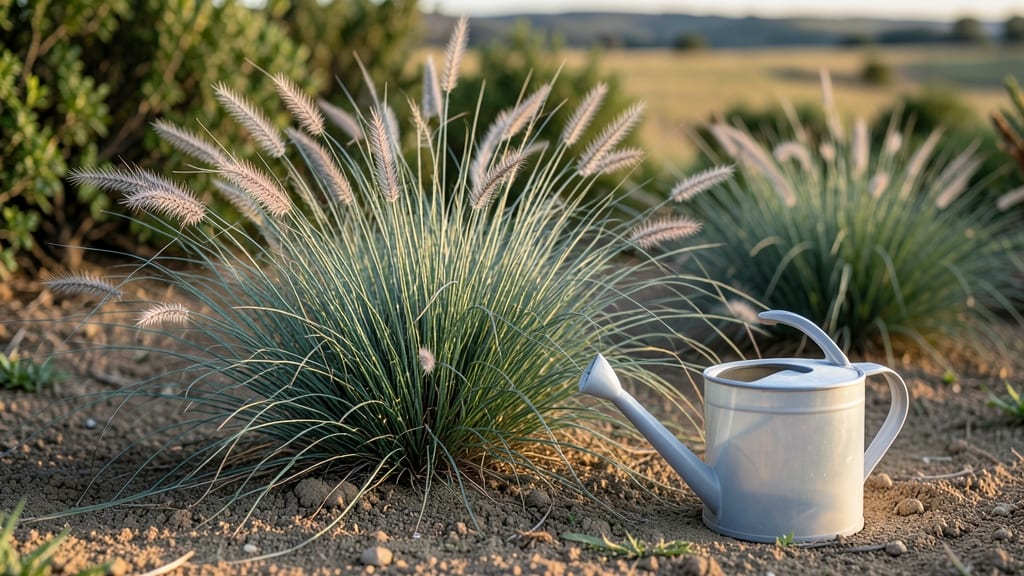
Mastering quail grass care is your first step toward a lush, low-maintenance lawn—this drought-tolerant beauty thrives where others struggle. 🌱 Unlike high-maintenance lawns, it stays vibrant with minimal fuss, perfect for busy homeowners or dry climates. The key? Proper soil prep, smart watering, and knowing when to step back.
This grass loves well-draining soil and full sun, but it’s surprisingly adaptable to partial shade. Water deeply once a week (more in extreme heat) to encourage deep roots—overwatering is its biggest enemy. Once established, it handles drought like a pro, staying lush even when other lawns brown out.
By day 30, you’ll see a dense, soft green carpet that resists weeds and pests naturally. No mowing every weekend—just occasional trimming to keep it tidy.
It’s the kind of lawn that makes neighbors ask, "What’s your secret?" Best for ornamental landscapes, slopes, or low-traffic areas where durability matters. Let’s get your yard looking effortlessly green without the hassle.
📚 In This Guide
- What you need
- Instructions
- Tips and common mistakes
- Wrapping up and next steps
What you need
- ● Quail grass seed: 10–20 lbs (depending on lawn size; ~5–10 lbs per 1,000 sq ft). Opt for high-quality, fresh seed for best germination.
- ● Lawn mower: A sharp, adjustable-height mower (set to 1–2 inches for ideal quail grass height).
- ● Rake or dethatcher: A stiff-bristle rake or dethatching tool to clear debris and loosen soil.
- ● Garden hose or sprinkler: For consistent watering (drip irrigation works too!).
- ○ Soil test kit (optional but recommended): To check pH (ideal: 6.0–7.0) and nutrient levels before planting.
- ● Fertilizer (low-nitrogen, high-phosphorus): A balanced 10-20-10 or 5-10-10 formula to encourage root growth.
- ● Compost or organic matter: 2–3 inches of compost mixed into the top 6 inches of soil for nutrients.
- ○ Lawn roller (optional): A lightweight roller to press seed into the soil for better contact.
- ● Sunlight: Full sun (6+ hours daily) for optimal growth.
- ● Well-draining soil: Sandy loam or clay-loam soils work best. Amend heavy clay with compost.
- ● Water access: A reliable water source for daily irrigation (especially in the first 30 days).
- ● Patience: Quail grass germinates in 7–14 days, but full establishment takes ~30 days!
Step-by-step guide to establishing quail grass in 30 days
This fast-growing ground cover transforms bare spots into dense, drought-tolerant green within a month.
🌱 Step 1: Prepare the Soil for Optimal Germination
Quail grass thrives in well-draining soil with a pH between 6.0-7.0. Before planting, remove all existing vegetation and debris from your 4-foot by 4-foot area (assuming standard servings). Use a rake to loosen the top 2-3 inches of soil—this creates space for roots to establish without competition.
Work in 2-3 inches of compost to improve soil structure and fertility. The goal is loose, crumbly soil that holds moisture but doesn't compact. If your soil is heavy clay, mix in 1 part sand to improve drainage—quail grass hates soggy roots. Test for drainage by pressing a handful of soil; it should crumble when dry and hold moisture without pooling.
💧 Step 2: Sow Seeds at the Right Depth and Spacing
Spread 1 pound of quail grass seed evenly over the prepared area using a broadcast spreader. For smaller patches, scatter seeds by hand, ensuring no bare spots remain. Press seeds lightly into the soil with a lawn roller or the back of a rake—just enough to make contact, but don't bury them. Quail grass seeds need light to germinate.
Cover the area with a thin layer of straw mulch (¼ inch thick) to protect seeds from birds and wind. Water immediately after sowing to settle seeds and mulch. Keep the soil consistently moist (not soggy) for the first 14 days—this is critical for even germination. You'll see first green shoots in 7-10 days if moisture and temperature (60-75°F) are ideal.
☀️ Step 3: Maintain Consistent Moisture and Light
After germination, reduce watering frequency but increase depth. Quail grass develops deep roots when watered 1-2 times weekly, depending on rainfall. Let the top ½ inch of soil dry between waterings to prevent fungal issues. Water in the early morning to minimize evaporation and reduce disease risk.
Ensure full sun exposure (6+ hours daily)—quail grass grows best in open, sunny areas. If shading occurs (e.g., from trees or buildings), growth will slow, and the lawn may thin. You'll notice dense growth filling gaps within 21 days if conditions are right. Avoid heavy foot traffic until the grass reaches 2-3 inches tall to prevent root damage.
✂️ Step 4: First Mowing and Ongoing Maintenance
Once quail grass reaches 3-4 inches tall (typically 28-30 days), mow with a sharp blade set to 2 inches for the first cut. This encourages bushier growth and prevents weak stems. Use a mulching mower to return clippings to the soil—this adds organic matter and reduces waste.
Fertilize lightly once per season with a balanced, slow-release fertilizer (10-10-10) in early spring. Over-fertilizing leads to rapid but weak growth. Monitor for weeds—hand-pull any that appear early, as quail grass crowds them out once established. After the first year, maintenance reduces to monthly mowing and occasional watering during dry spells.
Tips & tricks for perfect quail grass establishment
Here's what nobody tells you about getting that vibrant, resilient quail grass lawn—without the guesswork.
Soil Prep Secret: In Step 1, when loosening that top 2-3 inches of soil, think "fluffy cloud" rather than "digging a hole." Use a garden fork instead of a shovel—it aerates without compacting. For clay-heavy soils, mix in that 1 part sand before adding compost. The sand should be coarse builder's sand, not fine play sand, to prevent clumping. This creates the perfect drainage matrix that quail grass craves.
Seed Protection Strategy: That ¼-inch straw mulch in Step 2 isn't just decoration—it's your first line of defense. After applying, gently rake it so it's evenly distributed but not packed down. For areas with persistent bird problems, consider a lightweight landscape fabric over the mulch (remove after germination). The key is maintaining that consistent moisture without drowning the seeds—think "damp sponge" rather than "swamp."
Watering Wisdom: During those critical first 14 days, water early morning and late afternoon if temperatures exceed 75°F. Use a rain gauge or tuna can to measure—you want about ½ inch of water per session. The soil should feel like a wrung-out sponge: moist but not dripping. After germination, switch to deep watering (1-2 inches per week) to encourage those deep roots. A soaker hose works best—it delivers water at soil level where it counts.
Sunlight Savvy: Quail grass might tolerate partial shade, but don't expect the same dense growth. If your planting area gets less than 6 hours of direct sun, consider supplementing with a reflective surface (like a white wall or aluminum foil) to bounce extra light onto the grass. Even an hour or two more sunlight can make a noticeable difference in color and density by day 21.
Pro Tips for Quail Grass Care
- Here's what nobody tells you about getting that vibrant, resilient quail grass lawn—without the guesswork.
- Soil Prep Secret: In Step 1, when loosening that top 2-3 inches of soil, think "fluffy cloud" rather than "digging a hole."
- Seed Protection Strategy: That ¼-inch straw mulch in Step 2 isn't just decoration—it's your first line of defense.
Frequently asked questions
about quail grass care—because even the greenest thumbs need a little guidance! Here are answers to the most common questions to help you grow a thriving lawn.How fast does quail grass actually grow?
Quail grass is a fast-growing annual grass, often reaching 6–12 inches in just 3–4 weeks under ideal conditions. With proper watering and sunlight, you can see noticeable growth within days—perfect for quick coverage or temporary lawn solutions. Cool weather speeds it up even more!
When is the best time to plant quail grass?
The ideal planting window is late summer to early fall (August–October) for best results. It thrives in cooler temps (50–75°F) and germinates quickly. Avoid planting in extreme heat or frost—your grass will struggle to establish roots. Pro tip: Test soil moisture before sowing!
How often should I water quail grass?
Keep soil consistently moist (not soggy!) for the first 2–3 weeks—water lightly daily or deeply every other day. Once established, reduce to 1–1.5 inches per week, including rainfall. Overwatering can lead to fungal issues, so let the top inch dry between waterings.
What pests or diseases should I watch for with quail grass?
Quail grass is generally pest-resistant, but watch for grubs, chinch bugs, or fungal diseases in damp conditions. If you spot yellowing patches or wilting, check for pests or adjust watering. A light application of neem oil or organic insecticide can help if needed.
Can I mix quail grass with other grasses for a permanent lawn?
Yes! Quail grass is often used as a temporary cover crop while establishing slower-growing grasses like ryegrass or fescue. Once your permanent grass is thick (after 4–6 weeks), quail grass will naturally die back in heat or drought. Pro tip: Mow it short (1–2 inches) to reduce competition.
Wrapping up and next steps
Caring for quail grass doesn’t have to be complicated—with the right tools, patience, and a little know-how, you can transform your yard into a vibrant, low-maintenance lawn in just 30 days! 🌱 From selecting the perfect soil mix to mastering watering schedules and troubleshooting common issues, every step brings you closer to that lush, green finish.
Whether you're a beginner or a seasoned gardener, quail grass is a fantastic choice for a resilient and beautiful lawn.
Ready to take the next step? Grab your supplies, roll up your sleeves, and start planting today! Your dream lawn is just a few seeds away. 🌿✨