
Lawn
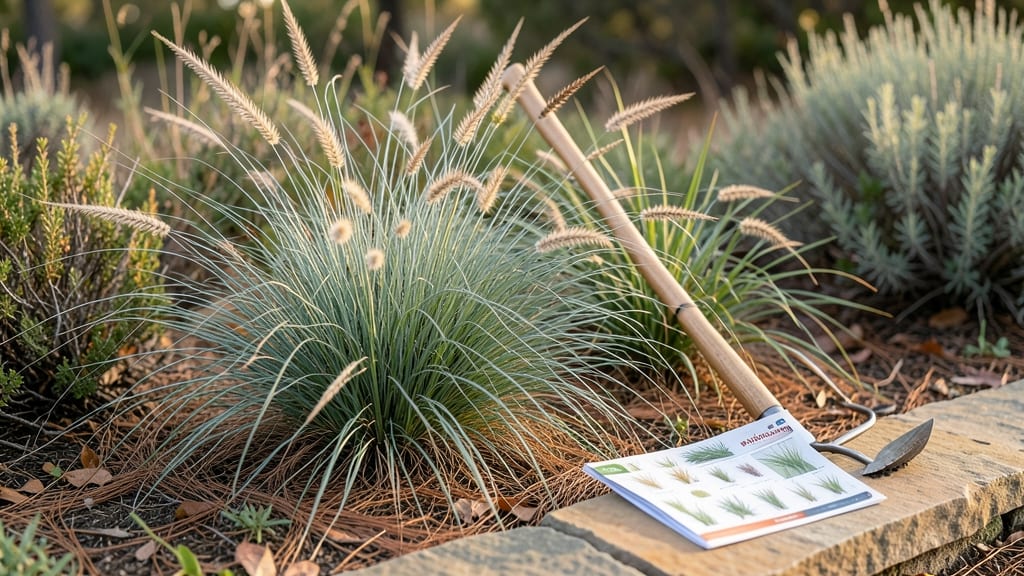
Identifying and eliminating bad grasses like crabgrass or nutsedge can turn your patchy lawn into a lush, envy-worthy carpet. 🌱 I've spent years battling these stubborn invaders, and I've learned which methods actually work—without poisoning your soil or breaking the bank. The key is knowing what you're dealing with first.
Most "bad grasses" aren't actually grass at all—they're weeds that thrive where your lawn struggles. Crabgrass spreads like wildfire in thin spots, while nutsedge (that triangular-stemmed pest) grows from underground tubers.
The good news? Both respond to the same core strategies: pulling when young, smothering with thick grass, and preventing seeds from taking hold.
You'll start seeing real improvement within 4-6 weeks of consistent treatment—fewer bare patches, fewer weeds, and grass that crowds out invaders naturally. The secret weapon? A combination of pre-emergent herbicides in early spring, hand-pulling when dry, and overseeding with a competitive grass variety like tall fescue.
This works for any lawn type, from sunny backyards to shady patches. The only real variable is timing—spring and fall are your best windows for intervention. Let's get that yard back under control.
The Hidden Triggers Behind Weedy Lawns
Your lawn might be a battleground between desirable turf and unwanted invaders—and those invaders usually win because of preventable mistakes. Understanding the root causes of bad grasses and weeds helps you tackle the problem at its source. Let’s break down the science behind why these pests take over.
Weeds thrive where grass struggles, and the primary reason grass struggles is poor soil health. Here’s how it happens:
- Compacted Soil 🏗️ Heavy foot traffic, pets, or machinery compresses soil, reducing oxygen and water flow. Result? Grass roots suffocate, while weeds with shallow roots (like crabgrass) seize the opportunity to spread. Test it: Stick a screwdriver into the soil—if it resists, compaction is the issue.
- Nutrient Deficiencies 🧪 Grass needs nitrogen (N), phosphorus (P), and potassium (K) to outcompete weeds. A soil test revealing low organic matter or pH imbalances (e.g., acidic soil below 6.0) weakens turf, inviting weeds like dandelions or clover. Fix it: Amend soil with compost or lime (for acidity) before reseeding.
- Drainage Issues 💦 Waterlogged or dry patches create stress zones where weeds dominate. Poor drainage (common in clay soil) leads to fungal diseases, while sandy soil drains too quickly, starving grass roots. Solution: Aerate compacted areas and top-dress with sand/compost to improve structure.
💡 Pro Tip: Weeds like nutgrass (cyperus rotundus) exploit soggy spots—install French drains or raised beds if your yard floods after rain.
Weeds don’t just appear—they replace grass when maintenance lapses. Here’s how neglect opens the door:
- Irregular Watering 💧 Overwatering creates a damp, weed-friendly environment, while underwatering stresses grass, leaving gaps for annual bluegrass or chickweed. Rule of thumb: Water deeply 1–1.5 inches per week (including rain) and early in the morning to reduce fungal risks.
- Mowing Too Short 🌾 Cutting grass below 2–3 inches weakens roots and exposes soil to sunlight, prompting crabgrass and spread of broadleaf weeds. Science-backed fix: Keep mower blades at 3–4 inches to shade soil and crowd out weeds.
- Fertilizer Mismanagement 🌱 Too little = weak grass; too much = nutrient runoff that feeds weeds like henbit or bindweed. Balanced approach: Use a slow-release, low-nitrogen fertilizer (e.g., 24-0-10) in early spring and fall.
✨ Action Step: Set a lawn care calendar with mowing, watering, and fertilizing reminders to stay consistent.
Even the healthiest lawns face external pressures that tip the balance toward weeds. These factors are often beyond your control—but you can mitigate their impact:
| Stressor | How It Helps Weeds | Your Defense |
|---|---|---|
| Drought 🌞 | Grass goes dormant; deep-rooted weeds (e.g., bermudagrass) survive. | Install drought-resistant grass (e.g., tall fescue) and mulch bare spots. |
| Shade 🌳 | Blocks sunlight, weakening grass; shade-tolerant weeds (e.g., creeping Charlie) take over. | Choose shade-friendly turf (e.g., fine fescue) or add ground cover plants. |
| Foot Traffic 👟 | Compresses soil and uproots grass, creating bare patches for clover or moss. | Use stepping stones or re-seed high-traffic areas with dense grass varieties. |
🔥 Hot Tip: Moss in lawns often signals acidic soil or poor drainage—test your pH and aerate to crowd it out.
By addressing these root causes—soil health, maintenance gaps, and environmental stress—you’ll starve weeds of the opportunities they need to thrive. The key? Prevention is easier than eradication.
How to Fix Weedy Lawn Woes
Now that you’ve identified the troublemakers in your lawn, it’s time to take action! The good news? Most bad grasses and weeds can be tackled with the right approach—whether you’re dealing with aggressive invaders like crabgrass or stubborn broadleaf weeds.
Below, we’ll map out targeted solutions based on the root cause of your lawn’s problems, plus prevention tips to keep your yard lush and weed-free long-term.
Fix: Feed your lawn the right nutrients to crowd out weeds naturally.
Weeds thrive in weak, compacted, or nutrient-poor soil. To reclaim your lawn: - 🍳 Conduct a soil test (kits are cheap and available at garden centers) to check pH and nutrient levels.
Aim for a pH of 6.0–7.0 for most grasses. - 👨🍳 Top-dress with compost (¼-inch layer) or a slow-release organic fertilizer (like 10-10-10) in early spring and fall.
This strengthens grass roots, making them competitive against weeds. - 🥘 Aerate annually (rent a core aerator or hire a pro) to relieve compaction and improve water/oxygen flow to roots. - 🌱 Overseed bare spots with a high-quality grass seed blend matched to your climate (e.g., Kentucky bluegrass for cool regions, Bermuda for warm).
💡 Pro Tip: If your soil is clay-heavy, mix in sand or perlite to improve drainage before aerating.
Fix: Adjust your watering habits to starve weeds while keeping grass healthy.
Weeds like crabgrass and nutsedge love excess moisture. Try this: - ⏰ Water deeply but infrequently: Aim for 1–1.5 inches per week (including rain), split into 2–3 sessions (e.g., 30 mins in morning + evening).
Avoid daily light sprinkles, which encourage shallow weed roots. - 🔥 Fix sprinkler leaks or misaligned heads—wet spots attract weeds. Use a rain gauge to monitor watering accuracy. - 🌡️ Water early in the day (before 10 AM) to reduce fungal risks and evaporation.
✨ Prevention Hack: Install a smart irrigation controller to automate schedules based on weather forecasts.
Fix: Restore grass density to smother weeds before they spread.
Thin grass = weed highway. Revive your lawn with these steps: - 🌿 Mow high (3–4 inches for most grasses) to shade out weeds and encourage deep roots. - 🔪 Sharpen your mower blade (dull blades tear grass, stressing it).
A clean cut = faster recovery. - 💪 Apply a pre-emergent herbicide (like pendimethalin) in early spring (before weeds germinate) to block seeds. Note: Pre-emergents won’t kill existing weeds—use a post-emergent (like 2,4-D) for broadleaf weeds after mowing. - 🌱 Reseed or sod large bare patches immediately.
Choose disease-resistant seed for your zone.
🎯 Targeted Weed Removal: For stubborn weeds (e.g., dandelions, clover), spot-treat with:
- 🔥 Vinegar + dish soap (for small patches—not for grassy lawns; kills everything).
- 🌿 Corn gluten meal (organic pre-emergent; apply in fall to prevent weed seeds from sprouting).
Fix: Loosen soil and improve grass resilience.
Compacted soil chokes grass and invites weeds.
Break the cycle with: - 👨🍳 Rent a core aerator (or spike aerator for small lawns) and go over the lawn in a crisscross pattern. - 🥘 Top-dress with compost or sand (50/50 mix) to improve structure. - 🌱 Reduce foot traffic on high-use areas—consider mulch or stepping stones for pathways.
💡 Pro Tip: Walk on different sections of the lawn each day to avoid repeat compaction.
Keep weeds at bay with these low-effort habits:
- 📅 Maintain a mowing schedule (never cut more than ⅓ of the blade at once).
- 🌱 Overseed annually in fall (grass grows stronger in cool weather).
- 🧹 Pull weeds early (before they seed—even a 2-inch weed can produce 15,000 seeds!).
- 🌿 Mulch garden beds with wood chips or straw to block weed seeds from reaching your lawn.
- 🔄 Rotate herbicides if using chemicals (weeds build resistance over time).
Final Thought: A healthy lawn isn’t about chemicals—it’s about strong grass, smart watering, and consistent care. Start with one or two fixes this season, and watch those weeds retreat for good! 🌿✨
Frequently asked questions
How can I tell if I have crabgrass vs. nutsedge in my lawn?
Crabgrass has widespread, flat leaves that grow in circular patterns, while nutsedge has triangular stems that look like tiny bamboo shoots. Crabgrass spreads above ground, while nutsedge grows from underground tubers—dig up a sample to see if you pull up a bulb-like root. Both thrive in thin grass but nutsedge survives drought better.
Will vinegar kill my grass when I use it on weeds?
Yes, plain vinegar (acetic acid) will kill grass too—it’s a non-selective herbicide. For spot treatment, mix 1 gallon vinegar + 1 ounce dish soap and apply only to weeds, avoiding grassy areas. For lawns, use corn gluten meal (organic) or targeted herbicides like 2,4-D instead.
How often should I apply pre-emergent herbicide?
Apply pre-emergent once in early spring (before weeds sprout) and again in late summer for fall weeds. Most products last 2-3 months in the soil. Never apply after weeds appear—it won’t kill existing plants. Water lightly after application to activate it.
Can I just pull weeds by hand and skip other treatments?
Hand-pulling helps, but it’s not enough long-term. Weeds spread through seeds and roots—even small patches can produce thousands of seeds if left unchecked. Combine pulling with overseeding, proper watering, and soil testing to prevent regrowth. Focus on removing weeds when soil is moist for easier extraction.
Why do I keep getting new weeds even after treating my lawn?
New weeds often appear because seeds blow in from neighboring yards, birds spread them, or you missed hidden roots (like nutsedge). Break the cycle by improving grass density, fixing watering issues, and using a combination of pre-emergent + post-emergent treatments. Test your soil too—weeds thrive in nutrient-poor conditions.