
Diseases
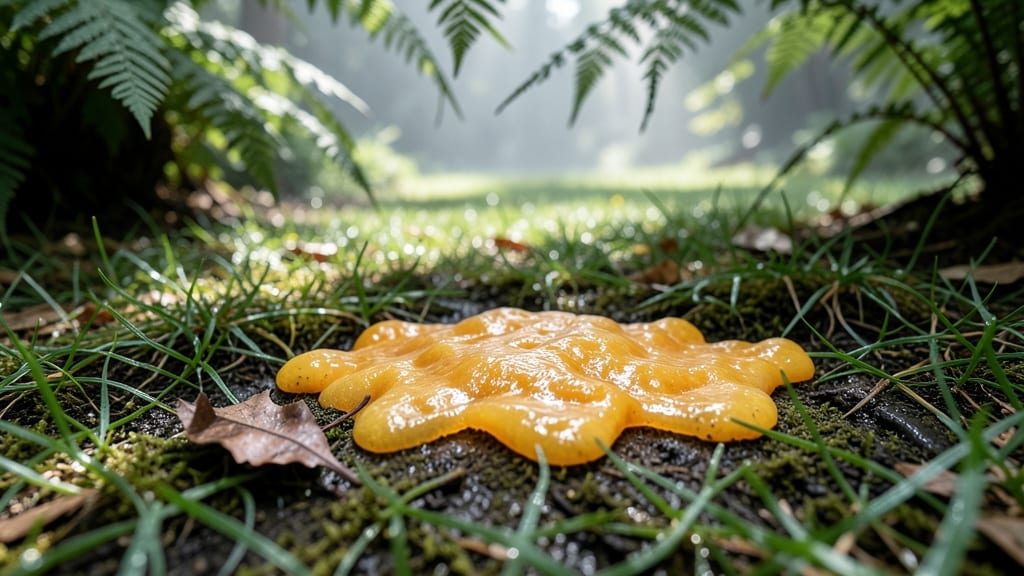
That bright yellow slime mold on the grass isn’t just unsightly—it’s actually harmless, and removing it is easier than you think. 🌱 I’ve battled this gooey invader in my own yard, and the right approach clears it up. without damaging your grass.
What looks like a chemical spill is just nature’s way of breaking down organic matter, but it can still make your lawn look neglected if left unchecked.
The good news? Slime mold thrives in damp, shady spots with thick thatch or debris, so fixing the conditions behind it prevents regrowth. A stiff rake or leaf blower removes the bulk, while a 3% hydrogen peroxide spray (1:3 dilution) zaps any lingering spores without harsh chemicals.
Most homeowners see full clearance within 48 hours—no fungicides needed.
Once gone, keep your lawn healthy by improving drainage, reducing thatch buildup, and avoiding overwatering. Slime mold won’t return if you address the moisture and organic buildup that invite it. Think of it as a sign your lawn needs a little TLC—not a disaster.
For stubborn cases or if you’re unsure whether it’s slime mold (not dog urine or a fungus), test with a damp paper towel: slime mold wipes away clean, while urine leaves a ring and fungus often has fuzzy growth.
The key is acting fast—once you know what you’re dealing with, the fix is simple.
The Hidden Triggers Behind Slime
That eerie yellow slime mold creeping across your lawn isn’t just a weird sight—it’s a response to specific conditions. Understanding why it appears is the first step to stopping it before it spreads.
Below, we break down the science behind its sudden growth, so you can address the root causes with confidence.
Slime molds thrive in damp, humid environments, and your lawn may be acting like a giant sponge. Here’s how excess moisture fuels their growth:
- Overnight Dew: Heavy dew or morning fog creates a moisture-rich film on grass blades, giving slime molds the perfect breeding ground. Pro tip: If your lawn stays damp for more than 12 hours overnight, slime mold spores will activate. 🌡️
- Poor Drainage: Compacted soil or clay-heavy lawns trap water, keeping the grass soggy. Slime molds feed on decaying organic matter—when water lingers, decomposition speeds up, releasing nutrients they crave.
- Irrigation Overkill: Watering late in the day (after sunset) or using sprinklers that create a misty effect can prolong moisture on leaves. Fix it: Water early in the morning and avoid overhead sprinkling.
Actionable fix: Improve drainage by aerating compacted soil or adding organic matter (like compost) to help water absorb faster. If your lawn is prone to sogginess, consider a soil test to check for clay content.
Slime molds are decomposers—meaning they feed on dead plant material. If your lawn has a buildup of organic debris, you’ve essentially laid out a buffet for them:
- Thatched Grass: A thick layer of dead grass clippings, roots, and stems (called thatch) traps moisture and provides a food source. Slime molds latch onto this layer like a cheat code.
- Leaf Litter: Fallen leaves or mulch piled on the lawn create a dark, damp microclimate. Pro tip: If you’ve noticed slime mold after raking leaves, the leftover debris might be the culprit! ✨
- Fungal Activity: Other fungi or bacteria breaking down organic matter release nutrients that slime molds can’t resist. It’s like a food chain—one organism’s waste is another’s meal.
Actionable fix: Dethatch your lawn in early spring or fall to remove excess buildup. Rake up leaf litter promptly, and consider a light topdressing with sand or compost to reduce thatch over time.
Slime molds are most active when conditions are just right—like Goldilocks’ porridge. They love:
- 60–80°F (15–27°C) Ranges: Cooler springs or warmer falls (especially after rain) trigger their growth. If you’ve spotted slime mold in early spring or late autumn, temperature shifts are likely the cause.
- Consistent Humidity: Slime molds need a steady supply of moisture, not just occasional rain. If your lawn stays humid for days (think: cloudy, muggy weather), spores will germinate.
- Shady Spots: Areas under trees or shrubs retain moisture longer and stay cooler, creating ideal slime mold hotspots. Pro tip: If your lawn has patches of slime mold only in shady zones, lightening up the area (via pruning or strategic planting) can help.
Actionable fix: If your lawn is prone to slime mold in certain seasons, monitor weather forecasts. Use a soil thermometer to track temperature—if it hovers in the 60–80°F range with high humidity, take preemptive action (like raking debris or improving airflow).
Believe it or not, too many nutrients can backfire. While fertilizers feed your grass, they can also create a slime mold paradise:
- Excess Nitrogen: Over-fertilizing (especially with fast-release nitrogen) can lead to soft, lush grass that retains moisture longer. Slime molds love this environment because it’s packed with easy-to-digest organic material.
- Organic Fertilizer Byproducts: Compost or manure-based fertilizers break down into nutrients that slime molds find irresistible. If you’ve recently amended your soil, this could be the trigger.
- Weak Grass Competition: If your lawn is thin or stressed (due to drought, pests, or poor soil), slime molds move in because there’s less competition for nutrients.
Actionable fix: If you suspect over-fertilization, flush the soil with water to dilute excess nutrients. Switch to slow-release fertilizers or reduce application rates. For thin lawns, focus on improving soil health with mycorrhizal fungi or beneficial microbes to crowd out slime mold.
How to Fix It Naturally
Yellow slime mold may look alarming, but it’s harmless to your lawn—and often disappears on its own! The key is to address the underlying causes while preventing future outbreaks.
Below are practical, organic solutions tailored to the most common triggers, plus simple prevention tips to keep your grass healthy and slime-free.
Slime mold thrives in damp, shaded conditions, so adjusting your watering schedule can make a big difference.
🍳 Step 1: Reduce Watering Frequency
- Water deeply 2–3 times per week (early morning is best) instead of daily light sprinkles.
- Aim for 1–1.5 inches of water per week—soak the soil rather than keeping the surface wet.
- Pro tip: 💡 Use a rain gauge or tuna can to measure water output from your sprinklers.
👨🍳 Step 2: Improve Drainage
- If your lawn has low spots or clay soil, aerate in early fall or spring to help water drain faster.
- Rake away thatch buildup (over ½ inch thick) to prevent moisture from pooling.
⏰ Step 3: Mow Higher in Humid Weather
- Set your mower to 3–4 inches during hot, humid months to encourage deeper roots and reduce surface moisture.
Slime mold loves hiding in damp, shaded areas with organic debris. Cleaning up and improving airflow can eliminate its favorite spots.
🔪 Step 4: Clear Clutter & Trim Overgrowth
- Remove leaves, mulch, or fallen branches from your lawn—especially in shady patches.
- Trim back overhanging tree branches or bushes to let sunlight reach the grass.
- Pro tip: ✨ Use a leaf blower to quickly clear debris without damaging grass blades.
🌿 Step 5: Rake Gently After Rain
- Lightly rake affected areas 24–48 hours after heavy rain to break up slime mold spores and speed up evaporation.
- Avoid raking when the lawn is soggy—wait until it’s slightly dry to prevent spreading soil.
Slime mold can pop up when grass is stressed from poor soil health. A quick nutrient boost can help.
📊 Step 6: Test & Amend Soil
- Conduct a simple soil test (DIY kits from garden centers work) to check pH and nutrient levels.
- If soil is too acidic (pH < 6.0), spread pelletized lime in early fall.
- If nitrogen is low, apply a slow-release organic fertilizer (like compost or alfalfa meal) in spring.
💪 Step 7: Top-Dress with Compost
- Spread a thin layer (¼ inch) of compost over the lawn in late summer or early fall.
- Lightly rake it in to improve soil structure and microbial activity—naturally crowding out slime mold.
Once you’ve tackled the immediate issue, keep these habits to prevent recurrence:
- 🌦️ Mow after rain to reduce surface moisture.
- ☀️ Avoid heavy watering at night—morning watering lets grass dry faster.
- 🍂 Clean gutters & downspouts to prevent water from pooling near your lawn.
- 🌱 Overseed thin patches in fall to thicken grass and reduce slime mold’s foothold.
- 🔄 Rotate mowing patterns to prevent soil compaction in the same spots.
Remember: Slime mold is a sign your lawn needs a little TLC—not a disaster. With these fixes, your grass will bounce back healthier and slime-free in no time! 🌱✨
Frequently asked questions
Is yellow slime mold harmful to my grass or pets?
No, it's completely harmless to both grass and pets! While it looks alarming, slime mold is a natural decomposer that feeds on organic matter. It won't damage your lawn permanently, though it can make it look unsightly. Pets can safely walk on affected areas—just wipe their paws afterward if they're sensitive.
How can I tell if it's slime mold vs. dog urine or fungus?
Here's the quick test: slime mold wipes away clean with a damp paper towel, while dog urine leaves yellow rings and fungus often has fuzzy growth. Press a clean cloth on the yellow patch—if it disappears, it's slime mold. For fungus, check for white or brown threads beneath the surface.
Will vinegar or bleach work to remove slime mold?
Vinegar (1:1 water dilution) can help, but bleach is too harsh for grass. Mix equal parts white vinegar and water in a spray bottle, apply to affected areas, then hose off after 10 minutes. For stubborn cases, a 3% hydrogen peroxide solution (1:3 water dilution) works better without damaging your lawn.
How often does slime mold come back after treatment?
With proper prevention, it rarely returns! Focus on improving drainage, reducing thatch, and avoiding overwatering. Most homeowners see no recurrence after addressing these root causes. If conditions stay ideal (damp, shady), you might spot it again in 1-2 years, but it's easily managed.
Can I use a leaf blower to remove slime mold?
Yes! A leaf blower is one of the fastest ways to clear it. Just set it to medium speed and work from the edges inward to prevent spreading spores. For thick patches, follow up with a stiff rake. Avoid using a leaf blower when the lawn is wet—wait until it's slightly dry to prevent pushing spores deeper into the grass.