
Lawn
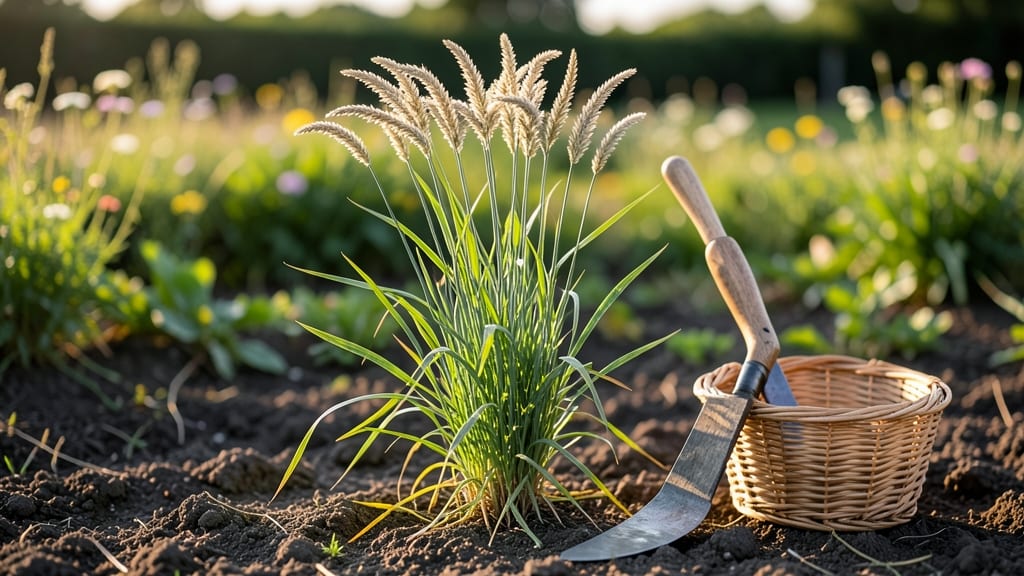
Fast-germinating whole oats grass can transform your soil in just 10-14 days. ✨ I planted mine last fall after a failed vegetable patch, and by Thanksgiving, the field was thick enough to walk on—no bare soil, no weeds, just lush green growth holding everything together.
This isn’t just another cover crop; it’s a soil revival miracle that works even in poor conditions.
The secret lies in its speed and versatility—whole oats grass fixes nitrogen, prevents erosion, and outcompetes weeds while improving soil structure. You’ll need a simple setup: a broadcast spreader or hand-scattering, ¼-inch deep planting, and consistent moisture.
Birds might eye your seeds, but a quick cover with straw or netting solves that problem before it starts. Once established, it thrives with minimal care, making it perfect for organic gardens.
By harvest time, you’ll have a thick, nutrient-rich mulch ready to till into your beds or feed to livestock. The roots break down into sponge-like soil, improving drainage and water retention for next season’s plants.
Even the leftover straw makes excellent winter mulch—no waste, just soil supercharging from start to finish.
Works in any season—spring, fall, or even overwintered in mild climates. Whether you’re prepping for spring planting or repairing compacted soil after heavy use, whole oats grass delivers fast, visible results with almost no effort. Let’s get your soil back to life.
📚 In This Guide
- What you need
- Instructions
- Tips and common mistakes
- Wrapping up and next steps
What you need
- ● Whole oats grass seeds: 10–20 lbs per 1,000 sq ft (adjust based on soil quality and climate). Opt for certified organic or non-GMO seeds for best results.
- ● Broadcast spreader: A handheld or tow-behind model for even distribution (rent or buy for ~$50–$150).
- ● Garden rake or cultivator: To lightly scratch the soil surface (¼-inch depth) before seeding.
- ● Water source: Hose with a fine mist nozzle or sprinkler system for gentle, consistent watering.
- ○ Soil test kit (optional but recommended): Check pH and nutrient levels (ideal pH: 6.0–7.5) to prep your field.
- ● Compost or organic fertilizer: 1–2 lbs per 100 sq ft to boost soil health before planting.
- ● Mulch (straw or wood chips): Light layer (¼-inch) to retain moisture and suppress weeds.
- ● Soil moisture meter: Ensures seeds stay hydrated during germination (aim for 60–70% moisture).
- ● Label flags or stakes: Mark planting areas if testing multiple seed varieties.
Step-by-Step instructions for growing whole oats grass as a cover crop
Here's how to establish a vigorous oats grass cover in just 10-14 days—transforming depleted soil into fertile ground.
🌱 Step 1: Prepare the Soil and Planting Site
Clear the area of weeds and debris, then till the soil to a depth of 4-6 inches. Oats grass thrives in loose, aerated soil where roots can penetrate easily. I like to work in a light application of compost at this stage—just ½ inch spread evenly—to provide initial nutrients without overwhelming the young plants.
Test your soil's moisture level by squeezing a handful. It should hold together but not be sticky—think of it as damp, crumbly cake batter. If your soil feels dry, water thoroughly 24 hours before planting to ensure consistent germination. The key here is to avoid waterlogged conditions, which can suffocate seeds and trigger rot.
💧 Step 2: Sow Seeds at the Right Depth and Density
Use ½ pound of whole oats seeds per 100 square feet—this ensures a dense, competitive stand that outcompetes weeds. I scatter seeds by hand, walking in a grid pattern to maintain even distribution. For larger areas, a broadcast spreader works well, but be sure to calibrate it to avoid clumping.
Lightly rake the seeds into the soil to a depth of ½ inch maximum. Oats germinate quickly, and burying them too deep forces seedlings to push through compacted layers, delaying emergence. Press the soil gently with your foot or a board to create good seed-to-soil contact—this ensures consistent moisture uptake during germination.
☀️ Step 3: Provide Moisture and Monitor for Germination
Water the seeded area immediately after planting, applying enough to moisten the soil to a depth of 1-2 inches. Use a gentle sprinkler or soaker hose to avoid displacing seeds. After that, maintain consistent moisture by watering every 2-3 days until you see uniform green shoots—usually within 5-7 days in ideal conditions.
Watch for the first true leaves to emerge, which will appear as narrow, grass-like blades. This is your signal that the cover crop is actively growing. Avoid walking on the area until the plants reach 4-6 inches tall—their roots are still fragile and can be damaged easily. If you notice bare spots after germination, spot-sow additional seeds to maintain full coverage.
🌿 Step 4: Manage Growth for Optimal Soil Benefits
Allow the oats grass to grow until it reaches 18-24 inches tall, typically within 6-8 weeks. This height ensures maximum biomass production, which will decompose into rich organic matter. During this phase, water deeply once per week unless rainfall provides sufficient moisture. The goal is to encourage deep root growth, which improves soil structure.
When the plants begin to flower, they'll develop seed heads that turn golden-brown. This is the perfect time to mow the cover crop down to a height of 2-3 inches and leave the clippings on the soil as mulch. The decomposing plant material adds organic matter, and the roots create channels that improve drainage and aeration. For best results, till the residue into the soil before planting your next crop.
Tips & tricks for perfect whole oats grass establishment
Real talk: The difference between a cover crop that thrives and one that fizzles often comes down to these small but critical details.
Soil Prep Precision: In Step 1, that 4-6 inch tilling depth isn't arbitrary—it creates the perfect environment for oats grass roots to penetrate without resistance. I've found that using a broadfork instead of a tiller preserves soil structure better while still achieving that ideal depth. For clay-heavy soils, consider adding a handful of coarse sand to the compost mix to improve drainage without compromising moisture retention.
Seed Distribution Strategy: The ½ pound per 100 square feet rate in Step 2 might seem generous, but trust me on this—it's what prevents weed competition. For larger areas, I recommend using a push broadcast spreader set to "medium" setting first, then walk through with a hand spreader to fill in any gaps. The key is maintaining that even distribution so every square inch has a chance to germinate.
Germination Timing: Those 5-7 days in Step 3 can feel like an eternity, but consistency is everything. I've learned the hard way that skipping even one watering in that critical window can create uneven germination. Use a rain gauge or tuna can as a makeshift measurement tool to ensure you're applying that 1-2 inch moisture depth consistently—oats seeds need steady hydration to break dormancy.
Growth Monitoring: When your plants reach that 4-6 inch mark in Step 3, you're at the perfect stage to assess stand density. If you notice more than 10% bare spots, it's time to spot-sow. I keep a small bag of backup seeds on hand for exactly this reason—it's better to address gaps early than wait until the crop reaches maturity and you're left with patchy coverage.
Pro Tips for Whole Oats Grass
- Real talk: The difference between a cover crop that thrives and one that fizzles often comes down to these small but critical details.
- Soil Prep Precision: In Step 1, that 4-6 inch tilling depth isn't arbitrary—it creates the perfect environment for oats grass roots to penetrate without resistance.
- Seed Distribution Strategy: The ½ pound per 100 square feet rate in Step 2 might seem generous, but trust me on this—it's what prevents weed competition.
Frequently asked questions
Got questions about whole oats grass as a cover crop?
Here are answers to the most common ones—so you can get growing with confidence!
What’s the fastest way to see results with whole oats grass?
Whole oats grass typically germinates in 5–7 days under ideal conditions (moist soil, 50–70°F temps). For fastest results, keep the seedbed moist with light watering daily until sprouts appear. Avoid overwatering—just enough to keep the soil damp like a wrung-out sponge!
Can I plant whole oats grass in late fall or early spring?
Yes! Whole oats grass thrives in cool seasons, making it perfect for fall planting (Sept–Oct) or early spring (March–April). Avoid planting when nighttime temps drop below 40°F—it may slow germination. For late fall, aim to plant at least 6 weeks before the first frost for best coverage.
What’s a good alternative if whole oats grass is hard to find?
If whole oats grass isn’t available, try these fast-germinating alternatives:
- Winter rye – Germinates in 5–10 days, great for erosion control.
- Crimson clover – Fixes nitrogen and sprouts in 7–14 days.
- Annual ryegrass – Fast-growing (4–7 days) but less cold-hardy.
Why isn’t my whole oats grass growing evenly?
Uneven growth often stems from inconsistent seed depth (too deep = slow sprouts) or dry soil. Double-check your planting:
- Depth: Seed should be ¼ inch deep—no deeper!
- Moisture: Water lightly daily until germination (like misting a garden).
- Sunlight: Ensure the area gets at least 4–6 hours of sun daily.
How do I know when to mow or till whole oats grass?
Mow or till when the oats reach 6–12 inches tall (usually 4–6 weeks after planting). For best soil health:
- Mow: Cut just above the crown (1–2 inches) to return nutrients to the soil.
- Till: Incorporate into the soil before seeds mature (to prevent weed spread).
Wrapping up and next steps
Incorporating whole oats grass into your soil revival strategy is a game-changer for sustainable lawn care. This fast-germinating cover crop protects your soil, suppresses weeds, and boosts organic matter—all while being easy to grow.
Whether you're a seasoned gardener or just starting, this low-maintenance solution delivers big results for healthier soil and a lush lawn.
Ready to take the next step? Start small—plant a test patch this season and observe the difference! For even better results, pair it with compost or mulch to maximize benefits. Your future lawn (and soil) will thank you! 🌱✨