
Pests and Diseases
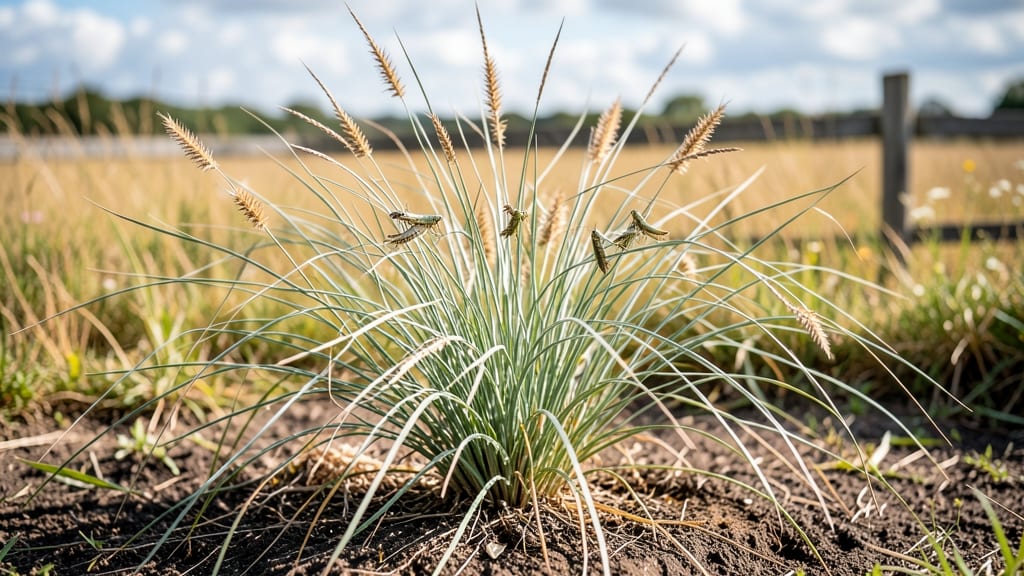
You can find grasshoppers in open, sunny areas like meadows, fields, and gardens, especially near tall grasses or crops where they feed. They're most active during warm, dry weather but retreat to soil crevices or under rocks when threatened.
Grasshoppers favor environments with abundant sunlight and sparse vegetation, making prairies, agricultural fields, and ornamental gardens their prime habitats. 🌞 Their presence peaks in late summer when temperatures rise and plants reach peak growth, providing both food and shelter.
Unlike crickets, they avoid dense forests, preferring open spaces where they can jump long distances to escape predators. I've noticed they're especially common in areas with legumes, grains, or ornamental grasses, as these plants offer both nutrition and camouflage.
These insects are also highly mobile, often traveling in swarms when conditions are ideal. Drought-prone regions tend to see larger populations because dry soil makes it easier for them to dig and lay eggs.
If you're trying to spot them, early morning or late afternoon is best—they're most active during cooler parts of the day. Look for chewed leaf edges or small brown egg pods in soil as clear signs of their presence.
💡 In This Article
- Grasshopper Preferred Ecosystems and Plant Hosts
- How to Locate Grasshoppers in Gardens and Landscapes
Grasshopper preferred ecosystems and plant hosts
Grasshoppers are sun-seekers by nature, thriving in ecosystems where direct sunlight dominates for at least 6-8 hours daily. Their preferred habitats include prairie grasslands, agricultural fields, and open meadows where soil remains dry and vegetation is sparse enough to allow movement.
The key ecological driver is photosynthetic activity—they target plants with high sugar content, particularly during the late summer when plants reach peak ripeness. Studies show they prefer C4 plants like corn, sorghum, and switchgrass because these grasses have higher nutritional value compared to C3 plants.
Their plant preferences break down into three categories: grasses (60% of diet), legumes (25%), and broadleaf plants (15%). Within gardens, look for alfalfa, clover, and vegetable crops like beans and tomatoes—these are their favorite buffets.
The texture of their feeding damage is distinctive: irregular notches along leaf edges rather than the clean cuts of beetles. In drought-prone areas, they'll even consume wood bark or dead plant matter when fresh vegetation is scarce.
Their mobility means they can cover up to 100 feet daily in search of food, making them harder to contain than less mobile pests.
Climate zones play a crucial role in their distribution. Grasshoppers dominate in temperate and subtropical regions where average summer temperatures stay between 75-95°F.
The Great Plains of North America and savannas of Africa are hotspots because these areas combine their ideal mix of sun exposure, dry soil, and abundant grasses. Seasonal shifts are equally important: they become most active when daytime temperatures exceed 80°F and nighttime lows stay above 60°F.
This heat threshold triggers their reproductive cycle, causing populations to explode during late July through September in most regions.
Soil composition matters too—grasshoppers favor sandy or loamy soils that are easy to dig. Their egg-laying process requires 2-3 inches of soil depth where they can bury egg pods safely. In gardens, this means checking areas with recently tilled soil or loose mulch.
The eggs themselves are 1/4-inch long, brown, and football-shaped, often found in clusters of 10-20 pods buried just below the surface. These pods hatch when soil temperatures reach 68°F, which typically occurs in late spring.
What most people don't realize is how their habitat preferences create a feedback loop. When grasshoppers feed heavily on crops, they reduce plant density, which actually increases sunlight penetration to the soil—creating more favorable conditions for future generations.
This is why monoculture farming (planting single crops) often leads to outbreaks: the uniform vegetation provides both food and shelter without natural predators. In contrast, diverse ecosystems with mixed plant types disrupt their feeding patterns and reduce population growth.
For gardeners, understanding these preferences means targeting high-risk plants first. If you notice alfalfa or clover plants being heavily browsed, it's a clear sign grasshoppers are establishing territory. The good news?
Their mobility works against them—once disturbed, they'll often jump 20+ times their body length to escape, making them easier to spot during flight. 🌾 This behavior is particularly noticeable in early morning hours when they're warming up after overnight shelter.