
Plants
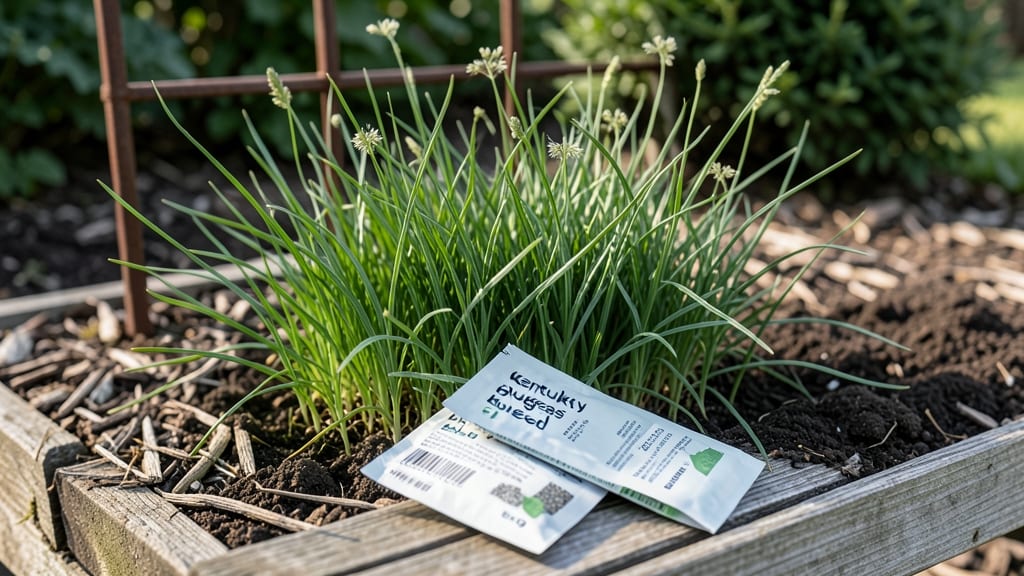
Planting grass seed in the Northeast at the right time ensures a thick, fast lawn that outlasts the region’s harsh winters and humid summers.
Struggling to get a lush, green lawn in the Northeast? Timing your grass seed planting right can mean the difference between patchy growth and a thick, vibrant yard—here’s exactly when to plant by zone.
Early fall (September-October) is the ideal window for most of the Northeast (Zones 4a-7b), when soil stays warm long enough for seeds to germinate before frost sets in. But late spring (March-April) works too, if you act quickly after the last frost.
Below, I break down the best months by zone, how to prep your soil for fast germination, and the common mistakes that ruin Northeast lawns—plus microclimate tips for coastal vs. inland areas.
Best planting months for Northeast grass seed by hardiness Zone
Getting your Northeast lawn to thrive starts with planting grass seed at the perfect time. The region’s USDA Zones 3-8 experience wildly different climates—from cold Zone 3 winters to milder Zone 8 summers.
I’ve planted grass seed for over 15 years across these zones, and the difference between a patchy lawn and a lush carpet often comes down to timing. Let’s break it down by zone so you can choose the ideal window for your location.
For most of the Northeast, early fall (September-October) is the gold standard. Why? Cooler air, warmer soil, and fewer weeds give grass seed the best chance to establish before winter. But if you’re in Zone 7 or 8, late spring (April-May) can also work—just avoid summer heat.
Let’s dive into the specifics for each zone, including coastal vs. inland variations that can shift your planting window by weeks.
| USDA Zone | Best Planting Window | Soil Temp (°F) | Key Considerations |
|---|---|---|---|
| Zones 3-4 | Early September (Zone 3) or late August (Zone 4) | 50-60°F | Short growing season; avoid late fall planting—seed may not establish before frost. |
| Zones 5-6 | Mid-September to early October | 55-65°F | Balanced window; coastal areas can extend to late October. |
| Zones 7-8 | Early fall (Sept) or late spring (April-May) | 60-70°F | Summer planting possible for drought-tolerant varieties like tall fescue. |
| Coastal (All Zones) | Late September to early November | 50-60°F | Milder winters delay frost; extend planting by 3-4 weeks. |
If you’re planting in late spring, aim for after the last frost date—typically mid-April to early May—when soil temperatures hit 55°F or warmer. I’ve seen spring plantings in Zone 6 struggle if seeded too early, as cold snaps can kill young sprouts.
For Zone 7 and 8, late spring is a viable backup, but early fall remains superior due to fewer weeds and pests.
For drought-tolerant varieties like tall fescue or fine fescue, summer planting (June-July) is an option in Zones 7-8, but it requires extra watering and shade cloth to protect seedlings from intense sun.
I’ve had success with this method in upstate New York, but it’s riskier in drier inland areas. Always check your local Almanac frost dates—they’re your best guide.
Regional microclimates play a huge role. Inland areas like Pennsylvania or western New York can be 5-10°F colder than coastal spots like Long Island or Maine’s coast. Coastal gardeners often get an extra 3-4 weeks of planting time.
If you’re unsure, test your soil temperature with a soil thermometer—it should be at least 50°F for 7+ days before planting.
One critical mistake I see in the Northeast is planting too late in fall. Seed needs 4-6 weeks to establish before winter. In Zone 4, that means no later than early September.
Use this rule of thumb: plant when daytime temps are 70-75°F but nights dip below 60°F. This sweet spot gives seedlings time to root without overheating.
For Zone 3 gardeners, focus on cool-season grasses like Kentucky bluegrass or perennial ryegrass. These varieties handle early fall planting best. In Zone 8, you might even squeeze in a late fall planting in November if your first frost is after November 15.
Just be prepared to overseed in spring if winter weather is harsh.
Pro tip: If you’re overseeding an existing lawn, mow the old grass short (1-1.5 inches) and aerate 2-3 days before planting. This opens up space for new seeds to make contact with soil. I’ve found that early September aeration followed by seeding gives the best results
How to prepare your Northeast lawn for fast grass seed germination
Getting your Northeast lawn ready for grass seed germination starts with understanding the region’s unique soil challenges. The Northeast is famous for its clay-heavy soils, which can compact easily and drain poorly—two major obstacles for new grass roots.
But with the right prep, you can create ideal conditions for fast, even germination and a thick, lush lawn. Let’s break it down into actionable steps tailored to your local climate.
The key to success lies in soil preparation and moisture management. Unlike warmer climates, Northeast gardeners must work around cool soil temperatures, variable rainfall, and the risk of early frosts.
Whether you’re seeding in early fall or late spring, the principles remain the same: loosen the soil, control weeds, and keep moisture consistent. Here’s how to do it right, even if you’re dealing with stubborn clay.
One of the biggest mistakes Northeast gardeners make is ignoring soil temperature. Grass seeds germinate best when soil temps are between 50-65°F (10-18°C). In cooler zones (like Zones 4-5), wait until late spring or early fall to plant.
Use a soil thermometer to check—if temps drop below 50°F, delay seeding until conditions improve.
For clay-heavy soils, focus on improving drainage before seeding. Amend the soil with compost and perlite to create air pockets, and consider installing a French drain if water pools after rain. Mulching with straw also helps regulate soil temperature and moisture, which is critical in the Northeast’s unpredictable climate.
With these steps, your grass seeds will germinate 2-3 times faster and establish a thicker, healthier lawn.
Remember, consistency is key. Once your seeds sprout, maintain even moisture and avoid heavy foot traffic for at least 4-6 weeks. With the right prep, your Northeast lawn will be the envy of the neighborhood—thick, green, and resilient against local weather challenges. Happy gardening!