
Plants
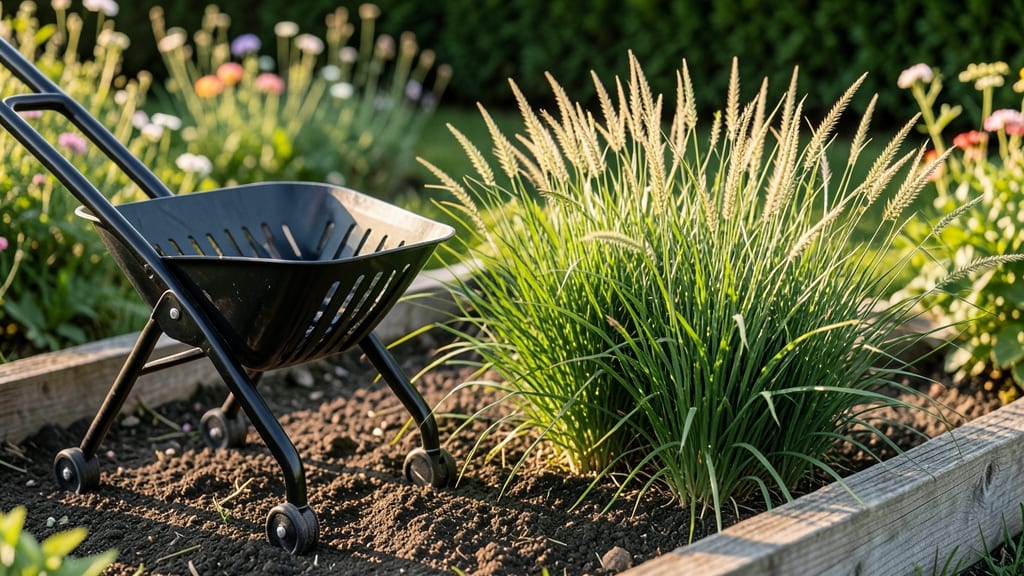
To plant grass seed in Tennessee at the right time means choosing between two critical windows—early fall or late spring—that set your lawn up for deep roots and year-round resilience.
Tennessee’s unpredictable weather can turn a lush lawn into a battleground—unless you plant grass seed at the perfect time for deep root growth and year-round resilience. One wrong move, and you’re stuck with patchy coverage or wasted seed.
Fall planting (August–October) is the gold standard in Tennessee’s 6a–8a zones, giving seeds time to establish before winter. But spring (March–April) works too—if you act fast after the last frost.
Below, I break down the exact timing for your region, soil prep secrets, and the 3 mistakes that kill even the best-laid plans.
Best times to plant grass seed in Tennessee (fall vs. spring)
Tennessee’s unpredictable climate—from sweltering summers to early fall frosts—makes timing critical for grass seed success. Planting at the wrong time can leave your lawn struggling, while the right window ensures deep root growth and year-round resilience.
The two best times are early fall (August–September) and late spring (March–April), but each offers unique advantages for Tennessee’s USDA zones 6a–8a.
Fall planting is often superior in Tennessee because cooler temperatures reduce water stress and weeds, while allowing grass to establish roots before winter dormancy. Spring planting, however, races against rising summer heat and requires faster germination. Understanding your soil temperature and frost dates is key to avoiding costly mistakes.
| Factor | Early Fall Planting (Aug–Sep) | Late Spring Planting (Mar–Apr) |
|---|---|---|
| Ideal Soil Temp | 60–75°F | 55–70°F |
| Frost Risk | Low (plant 4–6 weeks before first frost) | High (wait until after last frost) |
| Weed Competition | Low (cooler temps slow weeds) | High (spring weeds thrive) |
| Water Needs | Moderate (cooler air = less evaporation) | High (spring heat increases evaporation) |
| Root Depth Before Winter | Deep (6+ inches) | Shallow (limited by summer heat) |
| Best Grass Varieties | Tall Fescue, Fine Fescue, Ryegrass | Bermuda, Zoysia, Centipede (heat-tolerant) |
In Tennessee, fall planting (August–September) is my top recommendation because it aligns with the state’s cooler temperatures and higher rainfall. Soil temperatures stay ideal for germination (60–75°F) while reducing water stress and weed competition.
By planting 4–6 weeks before the first frost (typically early November in Zone 6a), grass seeds establish deep roots before winter dormancy, ensuring a lush, resilient lawn next spring.
For spring planting (March–April), timing is tighter. You must wait until after the last frost date—March 1 in Zone 8a to April 15 in Zone 6a—to avoid frost damage.
However, spring-planted grass faces faster germination demands and intense summer heat, which can stress young seedlings. If choosing spring, opt for heat-tolerant varieties like Bermuda or Zoysia and prioritize consistent watering.
Tennessee’s regional microclimates also play a role. In East Tennessee (Zone 6a), fall planting should start by mid-August to avoid early frosts, while West Tennessee (Zone 8a) can extend planting into early October.
Always check your local frost dates and soil temperature—a simple soil thermometer (available at garden centers) is a game-changer for accuracy.
One critical mistake Tennessee gardeners make is planting too late in fall or too early in spring. Late fall seeds may not establish roots before frost, while early spring seeds risk frost damage or weed takeover.
Another pitfall is skipping soil prep: Loosen the soil to a depth of ¼ inch, remove debris, and level the area to ensure even seed contact and optimal moisture retention.
To maximize success, I recommend testing your soil pH (aim for 6.0–7.0) and amending with compost or peat moss if needed. After planting, use a light layer of straw (not mulch) to protect seeds from bird damage and drying winds.
Water lightly but frequently—keeping the soil consistently moist (not soggy) for the first 3–4 weeks—until seedlings reach 2–3 inches tall.
Fall-planted grass in Tennessee often outperforms spring plantings because it avoids summer heat stress and weed competition. By late fall, your lawn will have a head start on spring growth, resulting in a denser, greener turf with minimal maintenance.
For best results, stick to the August–September window and prepare your soil like a pro.
If
Tennessee grass seed planting calendar: month-by-month guide
Timing is everything when planting grass seed in Tennessee. The ideal window is late summer to early fall, when soil stays warm but temperatures cool enough to prevent seed stress.
East Tennessee’s higher elevations (USDA Zone 6a) need earlier planting than West Tennessee’s warmer zones (Zone 8a), where late fall planting risks winter dormancy.
For East Tennessee, aim for mid-August to early September—soil temps hover around 70-75°F, perfect for germination. Middle Tennessee gardeners should plant late August to mid-October, while West Tennessee can extend until late October thanks to milder winters. Always check 60°F soil temps as your cutoff.
| Region | Best Planting Window | Soil Prep | Moisture Goal |
|---|---|---|---|
| East TN (Zone 6a) | Mid-August–Early Sept | Test pH (6.0–7.0), loosen clay soil | 1–1.5" water/week |
| Middle TN (Zone 7a) | Late Aug–Mid-Oct | Add compost, rake smooth | Daily watering first 2 weeks |
| West TN (Zone 8a) | Late Aug–Late Oct | Check for compaction | Morning watering only |
August is your prime prep month across all regions. Test soil pH (6.0–7.0) and amend with lime or sulfur as needed. Rake existing grass to 1/4-inch depth and remove debris—this creates ideal seed-to-soil contact. In East TN, where summers linger, start late August to avoid late-season heat stress.
September is peak planting month for most of Tennessee. Water deeply twice daily (morning/evening) for 2–3 weeks to encourage deep root growth.
Use a light straw mulch to retain moisture and block weeds. West TN can push to early October, but stop by mid-October to avoid winter dormancy risks.
October is your last chance in West TN, but East TN should halt by mid-month. Reduce watering as temps drop below 60°F, but keep soil slightly moist.
Apply a light fall fertilizer (10-10-10) to strengthen roots before winter. Avoid planting in November—seed won’t germinate in cool soil.
Pro tip: Use a soil thermometer to confirm 60–75°F soil temps before planting. Cool-season grasses (like tall fescue) thrive when nights dip to 50°F, signaling it’s time to stop watering daily and let nature take over.
With this month-by-month guide, your Tennessee lawn will outgrow weeds and survive winters like a pro. 🌱