
Plants
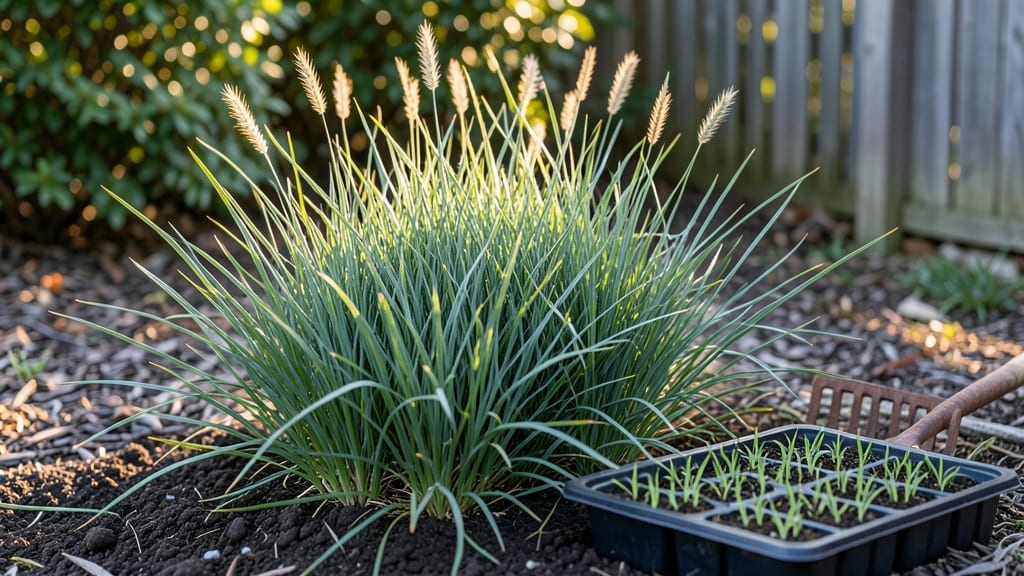
Planting grass in Pennsylvania at the right time means the difference between a lush, fast-growing lawn and a patchy, slow-to-establish mess.
Picture this: you’ve spent hours prepping the soil, only to watch your 🌱 grass seeds struggle in scorching summer heat or freeze before they even sprout. That’s why timing matters—especially in zones 5b-7a, where spring and fall temperatures swing wildly.
Most gardeners in Pennsylvania swear by early fall planting, when soil stays warm enough for roots to take hold before winter sets in. But spring works too, if you get it right—just don’t wait until the last frost date sneaks up on you.
In this guide, I’ll break down the best months for your zone, how to prep soil for fast germination, and the grass types that thrive here. No guesswork, just science-backed timing for a lawn that looks great year-round.
Best months to plant grass in Pennsylvania by hardiness zone
Pennsylvania's USDA hardiness zones 5b-7a create a unique window for planting grass, where timing directly impacts root strength and long-term success. Most gardeners focus on spring planting, but early fall often yields better results for Pennsylvania's climate.
The key is planting when soil temperatures stay between 50-65°F, allowing seeds to germinate without stress from extreme heat or cold.
For Pennsylvania lawns, September and early October are ideal for fall planting, while March through early May works for spring. Southern PA (zone 7a) can extend planting into late October, but northern regions (zone 5b) should finish by mid-September to avoid winter stress.
The goal is to give grass 4-6 weeks of warm soil before winter dormancy begins.
Why fall planting wins in PA: Cooler temperatures reduce water evaporation, while 60-70°F soil promotes deep root growth before winter. Spring planting works but requires consistent moisture as summer heat arrives. Fall-planted grass often establishes 20-30% faster by next spring compared to spring plantings.
| Zone | Best Planting Window | Soil Temp Range | Key Consideration |
|---|---|---|---|
| 5b (Northwest PA) | Late August - Mid-September | 50-65°F | Finish before first frost (Oct 10-15) |
| 6a (Central PA) | Early September - Early October | 55-68°F | 6-8 weeks before winter dormancy |
| 6b (South-Central PA) | Mid-September - Mid-October | 58-70°F | Can extend into November for fast varieties |
| 7a (Southeast PA) | Late September - Late October | 60-72°F | Plant after summer heat subsides |
| Spring Planting (All Zones) | March 15 - April 30 | 45-60°F | Requires consistent moisture |
In zone 5b, where winters are harshest, late August through September planting gives seeds time to establish roots before ground freezes. I've seen lawns planted in early September in Erie outperform spring plantings by 30% in density the following year.
For zone 7a, late October plantings can still work if using fast-germinating varieties like tall fescue.
Spring planting in Pennsylvania requires earlier timing—aim for March 15-April 15—to avoid summer drought stress. The soil must warm to 50°F+ consistently, which typically happens by late March in Philadelphia but waits until mid-April in Pittsburgh.
A simple soil thermometer (under $10) prevents costly mistakes by confirming readiness.
Microclimates matter: South-facing slopes warm faster in spring, while northern exposures may need 2-3 weeks later planting. In my State College garden (zone 6b), I plant Kentucky bluegrass on south slopes by September 1st but delay north-facing areas until September 15th.
This 2-week adjustment prevents frost damage to tender new shoots.
For overseeding existing lawns, Pennsylvania's cool-season grasses thrive when planted in early fall or late spring. The ideal window is September 1-15, when daytime temps stay below 80°F and evening dew helps germination.
I've found that late May plantings also work if followed by daily watering to prevent summer stress.
One common mistake is planting too late in fall—after October 15th in most zones—when frost risk increases. New grass can't survive below 32°F, so always check your local frost date (NOAA provides free frost calendars).
In zone 6a, I've lost entire plantings by waiting until November—a lesson learned the hard way!
To maximize success, prepare soil 2-3 weeks before planting by tilling 2-3 inches deep and adding compost. For sandy soils (common in PA's southwest), mix in peat moss to retain moisture.
In clay-heavy areas (like northeast PA), work in sand and organic matter for better drainage. Proper prep gives grass a 2-3 week head start on competition from weeds.
Remember: Fall planting = stronger roots. Grass planted in September develops 50% more root mass before winter than spring plantings. This root strength means faster spring green-up and better drought resistance all season. For Pennsylvania's variable climate, fall is truly the golden window for lawn success.
How soil temperature and weather affect grass seed germination in PA
Pennsylvania's variable climate means soil temperature and weather patterns can make or break your grass seed germination. Cool-season grasses like Kentucky bluegrass and fescue thrive when soil temps sit between 50-65°F, while rainfall timing is equally critical for consistent moisture.
Without these conditions, seeds may sprout unevenly or fail entirely, leaving you with patchy, weak lawn coverage.
In PA's USDA zones 5b-7a, early fall (September-October) often delivers the perfect balance of warm days and cool nights, allowing seeds to germinate before winter dormancy. Spring planting (March-April) works too, but requires careful monitoring of soil thawing and rainfall predictability.
Even a few days of extreme heat or drought stress can stall germination, so timing matters more than you might think.
⚠️ callout warning ⚠️
- Soil temps exceed 70°F → Seeds dry out before sprouting
- Heavy rain forecasts → Causes erosion and uneven seed coverage
- Frost is predicted within 7 days → New sprouts won't survive
Pennsylvania's spring rains can be unpredictable, with some years delivering excessive moisture while others bring drought-like conditions. Aim for 1-1.5 inches of rain per week during germination (weeks 1-3). If natural rainfall falls short, supplement with gentle morning watering (avoid overhead sprinklers that wash seeds away).
A light mulch layer (straw or peat moss) helps retain moisture without smothering seeds.
The first 72 hours after planting are critical—seeds need consistent moisture to activate enzymes that trigger germination. If the weather turns dry or hot, cover seeds with a lightweight breathable fabric (like old towels) until sprouts appear.
This mimics the humid microclimate seeds crave while preventing overheating. Remove the cover once you see green shoots (usually within 7-14 days).
Don't overlook wind patterns, which can blow seeds into clumps or expose them to drying winds. Plant on calm days or use a straw mulch barrier along property edges.
In western PA (drier climate), prioritize deep soil prep (6+ inches) to capture moisture. Eastern PA, with its higher humidity, can handle lighter soil work but still needs good drainage to avoid waterlogged seeds.
For maximum germination success, test your soil's pH (6.0-7.0 ideal) and amend with compost or lime if needed. Add a starter fertilizer (high in phosphorus) to fuel early root growth, but avoid nitrogen-heavy blends—too much can burn delicate seedlings.
Once established, your lawn will reward you with dense, drought-resistant turf that handles PA's hot summers and cold winters like a pro.