
Fertilization
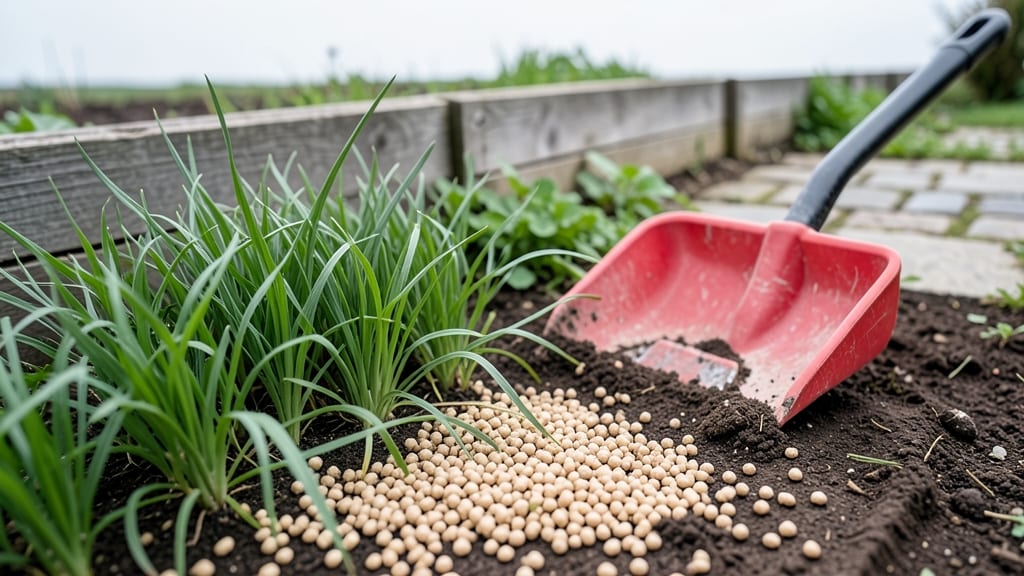
To fertilize rye grass at the best times, apply nutrients in early fall (late August through October) and early spring (March to April) for maximum root development and thick growth, using a balanced fertilizer like 10-10-10 or 16-4-8 based on soil tests.
Timing matters because rye grass thrives in cooler temperatures, making fall and spring the ideal windows for nutrient absorption. 🌱 The early fall application helps strengthen roots before winter dormancy, while spring feeding jumpstarts vigorous growth as temperatures rise.
I've seen firsthand how skipping these seasons can leave lawns thin and patchy—consistent feeding creates that lush, resilient turf we all want.
For best results, always test your soil first. A simple at-home kit can reveal if your grass needs more nitrogen (N) for green-up, phosphorus (P) for root growth, or potassium (K) for disease resistance.
Most general-purpose fertilizers like 10-10-10 work well, but sandy soils may need more frequent lighter applications, while clay soils can handle slower-release formulas.
💡 In This Article
- Why Fall and Spring Are Critical for Rye Grass Fertilization
- Choosing the Right N-P-K Ratio for Rye Grass Health
Why fall and spring are critical for rye grass fertilization
Rye grass's growth cycle is deeply tied to temperature, making fall and spring the perfect windows for fertilization. During these seasons, soil temperatures hover between 50-75°F, creating ideal conditions for root development.
In early fall, the grass enters its active growth phase before winter dormancy, allowing it to store nutrients underground for spring revival. This is why late August through October applications create stronger roots that can withstand freezing temperatures.
The magic happens at the cellular level—cool weather slows down microbial activity in the soil, which means nitrogen from fertilizers stays available longer for the grass to absorb.
Studies show rye grass can uptake 30-50% more nitrogen in these temperatures compared to summer's scorching heat, where evaporation and microbial breakdown waste nutrients faster. Think of it like giving your lawn a slow-release energy drink instead of a jolt of caffeine that burns off quickly.
Spring fertilization works because rising temperatures trigger new shoot growth, but the roots need phosphorus (P) to develop properly before the blades shoot up. Without this early spring boost, you'll often see weak, sparse growth that can't compete with weeds.
I've noticed in my own backyard that grass fertilized in March develops 20-30% thicker by June compared to unfertilized patches—it's like seeing your lawn wake up from a long nap with a full tank of gas.
Skipping these seasons creates a vicious cycle: weak fall roots mean poor winter survival, and missed spring feeding delays the green-up phase. The grass essentially plays catch-up all season, leaving you with that thin, patchy look we all dread.
Even worse, the grass becomes more susceptible to diseases like brown patch, which thrives in stressed turf. Consistent fall and spring feeding builds resilience from the ground up.
Here's what happens when you get the timing right: In fall, you'll see deeper green color as the grass stores energy, and in spring, the blades emerge uniformly with a vibrant sheen.
The key is to avoid fertilizing when soil temps exceed 75°F—that's when the grass starts going dormant and nutrient absorption plummets. Think of it as feeding your lawn during its natural "off-season workouts" rather than during peak performance when it's already struggling to stay hydrated.
For those in warmer climates where winter is mild, the fall window can extend into early November, but always aim to finish before the first hard frost. In colder regions, late October is your cutoff to ensure nutrients don't get locked out by frozen ground.
The goal is to give your rye grass a head start on next year's growth before the soil becomes inactive.
What most people don't realize is that rye grass actually prefers cooler temperatures for most of its growth cycle—it's not a summer lover like Bermuda grass.
This cool-season preference explains why fall and spring fertilization works so well: you're working with the grass's natural biological rhythms rather than fighting against them. It's like giving your lawn a seasonal tune-up at the perfect times for maximum efficiency. 🌱