
How To
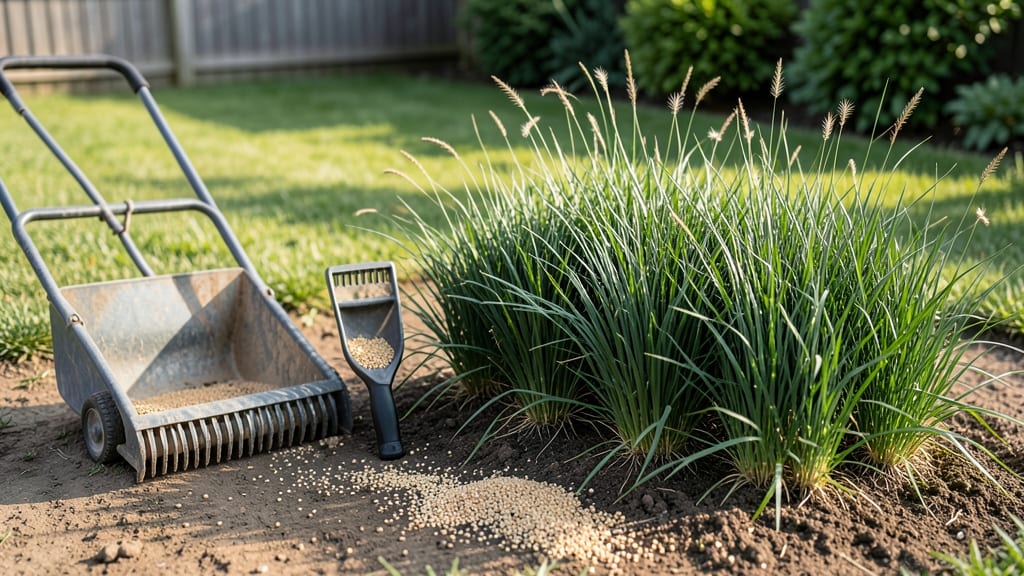
Fertilizing new fescue grass at the right time is the difference between a lush lawn and one that struggles to take hold 🌱 — and the window starts 4 to 6 weeks after germination.
New fescue grass needs precise timing for fertilization to establish deep roots and resist drought—get it wrong, and you risk stunted growth or even failure.
Most gardeners wait too long, thinking the grass doesn’t need it yet, but young roots are hungry for nutrients to anchor before summer heat hits.
Below, I’ll walk you through the exact schedule, fertilizer types to use, and how to avoid common mistakes that kill new grass before it even starts.
Best fertilization timeline for new fescue grass seedlings
Timing your first fertilization of new fescue grass seedlings is one of the most critical decisions you'll make. Waiting too long means weak roots, while fertilizing too early can burn delicate seedlings.
The 4-6 week window after germination is your sweet spot for that first application, when roots are developing but top growth is still manageable.
This early fertilization isn't about rapid green-up—it's about establishing a strong root system that can anchor the grass and resist drought. Too much nitrogen now forces top growth that can't be supported by underdeveloped roots, leading to thin, weak grass that struggles in heat or drought conditions.
I've seen many gardeners make the mistake of fertilizing at planting time. While starter fertilizers exist, they're designed for seed contact, not seedling establishment.
Your first real fertilization should happen when you see 2-3 inches of new growth—that's your signal the roots are ready for support but won't be overwhelmed.
| Growth Stage | Fertilization Timing | Key Focus | N-P-K Ratio |
|---|---|---|---|
| Germination (0-2 weeks) | No fertilization | Root establishment | N/A |
| Seedling (2-4 weeks) | Starter fertilizer only | Safe root growth | Low nitrogen (5-10-10) |
| 4-6 Weeks (Critical Window) | First real fertilization | Root development | Balanced (10-10-10) |
| Establishment (6-8 weeks) | Every 6-8 weeks | Dense growth | Moderate (16-4-8) |
| Mature Phase (3+ months) | Seasonal feeding | Maintenance | Slow-release preferred |
The 4-6 week window is where you should focus your first real fertilization. At this stage, your fescue seedlings have developed enough root structure to handle nutrients without risking burn.
I recommend using a balanced fertilizer like 10-10-10 to support both root development and early top growth without favoring one over the other.
For cool-season fescue, this timing aligns perfectly with early spring or late summer planting. In USDA Zone 6a, that means your first fertilization should happen around late April to early May for spring plantings or early September for fall plantings.
The key is to fertilize when daytime temperatures are consistently above 50°F (10°C).
One common mistake I see is using high-nitrogen fertilizers too early. While nitrogen promotes green growth, it can overstimulate top growth before roots are established. This creates a weak grass structure that's prone to disease and drought stress.
Instead, focus on phosphorus and potassium in your early applications to build strong roots.
After that first critical fertilization, you can shift to a more nitrogen-focused approach every 6-8 weeks during the growing season. But remember, the foundation you build in those first 4-6 weeks determines how well your fescue grass will perform for years to come.
Don't rush this stage—patient fertilization leads to drought-resistant, dense grass.
For organic gardeners, consider using a fish emulsion or compost tea during this early stage. These provide gentle, balanced nutrients that won't burn young seedlings while supporting microbial activity in the soil. The goal remains the same: strong roots before rapid growth.
Always apply fertilizer in the early morning when temperatures are cooler. This reduces the risk of fertilizer burn and allows the nutrients to be absorbed before the heat of the day. Water thoroughly after application to help distribute nutrients into the soil.
Monitor your seedlings closely after fertilization. You should see healthier green color and faster root development within 2-3 weeks. If you notice yellowing or wilting, you may have over-fertilized—rinse the area with water immediately and hold off on further fertilization until the grass recovers.
How to choose fertilizer types for young fescue grass
Choosing the right fertilizer for young fescue grass depends on its growth stage and your soil conditions. Starter fertilizers are ideal for seedlings, while slow-release options support long-term growth. I’ve found that organic and synthetic blends both work, but timing and nitrogen ratios make all the difference.
For the first 4-6 weeks after germination, avoid heavy fertilization—your fescue needs time to establish roots. A low-nitrogen starter fertilizer (5-10-5 ratio) is perfect here, as it promotes root development without overwhelming tender seedlings.
Think of it as giving your grass a gentle nudge to grow strong before it hits its growth phase.
Starter Fertilizers for Seedlings
Pros
- ✅ Low nitrogen (5-10-5) for root growth
- ✅ Quick nutrient uptake for seedlings
- ✅ Reduces burn risk on tender grass
Cons
- ❌ Short-term effects (needs reapplication)
- ❌ Not ideal for long-term growth
- ❌ May require soil testing first
Slow-Release Fertilizers for Growth Phase
Pros
- ✅ Balanced NPK (16-4-8 or 10-10-10)
- ✅ Long-lasting nutrient supply (6-8 weeks)
- ✅ Reduces over-fertilization risks
Cons
- ❌ Higher nitrogen can burn seedlings if misapplied
- ❌ Slower initial uptake than starter fertilizers
- ❌ Requires proper timing (post-root establishment)
Once your fescue grass reaches the growth phase (6-8 weeks old), switch to a slow-release fertilizer with a 16-4-8 or 10-10-10 NPK ratio. This supports both root and top growth while minimizing the risk of nutrient burn.
I’ve had great success with organic options like composted manure or bone meal, but synthetic blends work too if you prefer convenience.
For organic fertilizer lovers, options like fish emulsion or seaweed extract provide micronutrients without harsh chemicals. These are especially useful in sandy soils where nutrients leach away quickly. Just remember: organic fertilizers release nutrients slower, so apply them 2-3 weeks earlier than synthetic ones for the same effect.
Timing is everything—apply slow-release fertilizers in early spring or late summer when fescue is actively growing. Avoid fertilizing in fall or winter, as the grass enters dormancy and won’t use the nutrients.
I’ve seen many gardeners overdo it in spring, thinking more is better, only to end up with yellowed blades or fungal issues.
If you’re unsure about your soil’s nutrient levels, test it before fertilizing. A simple DIY soil test kit (or lab test) will tell you if your fescue needs extra phosphorus, potassium, or micronutrients. Adjust your fertilizer blend accordingly—your grass will thank you with deeper roots and lusher growth.
Pro tip: Always water your lawn before and after applying fertilizer to help nutrients penetrate the soil. This step alone can make a huge difference in how well your fescue absorbs the nutrients—especially in hot, dry climates where evaporation is a problem. 🌱