
Light Requirements
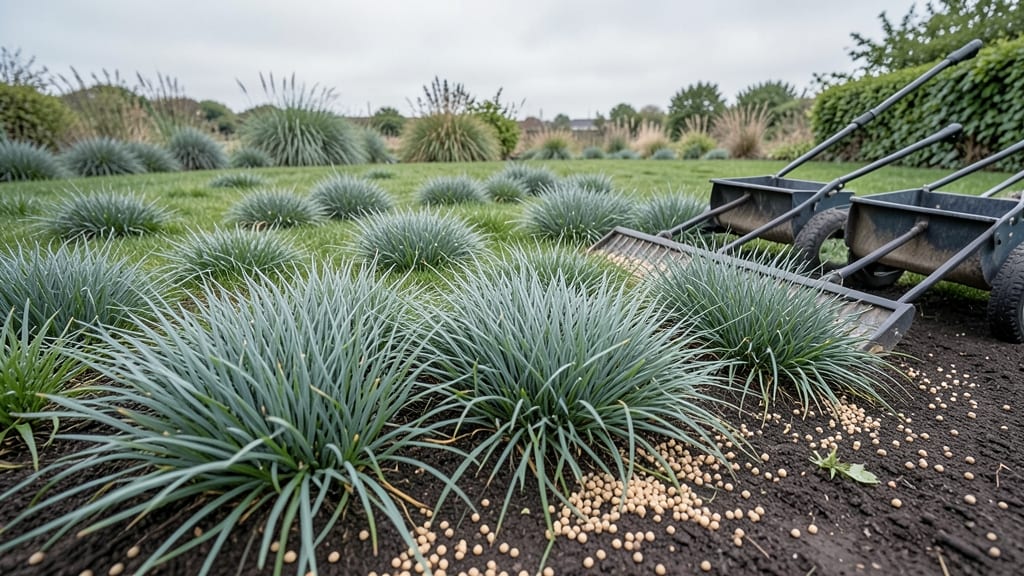
To fertilize your grass at the right time means feeding it when it’s hungry—not when it’s already full.
Struggling to keep your lawn lush and green? The timing of your grass fertilization can make or break the difference between a vibrant yard and a patchy disappointment. But when exactly should you fertilize—and why does it matter?
For most lawns in USDA Zone 6, the best times are early spring (March–April) and early fall (September–October), when your grass is waking up or gearing down for winter.
These windows align with your lawn’s natural growth cycles, ensuring nutrients are absorbed efficiently and roots strengthen for the seasons ahead.
In this guide, I’ll break down the ideal fertilization schedule for cool-season and warm-season grasses, regional tweaks, and how to spot when your lawn is truly ready for a boost—without overdoing it. Let’s get your grass growing stronger, not just greener.
Best times to fertilize grass: spring vs. fall schedule for optimal growth
Fertilizing your lawn at the right time ensures your grass gets the nutrients it needs to thrive, but timing is everything. Most lawn care experts agree that spring and fall are the two best seasons to fertilize, each serving different purposes for your grass's growth cycle.
In early spring, fertilization jumpstarts root development, while late fall applications strengthen roots before winter dormancy. Missing these windows can leave your lawn weak, patchy, or vulnerable to weeds.
Your grass type also plays a critical role—cool-season grasses like Kentucky bluegrass and fescue thrive with spring and fall feedings, while warm-season grasses such as Bermuda and Zoysia need fertilization in late spring and early summer.
Climate matters too: Northern regions with colder winters benefit most from fall applications, while Southern areas with mild winters may extend their fertilization window into early spring. Let’s break down the best times to fertilize for each season and region.
🌱 Key Insight: Fertilizer timing isn’t one-size-fits-all. The USDA Plant Hardiness Zone where you live can shift ideal fertilization dates by weeks or even months. For example, Zone 5 lawns might fertilize in late April and early October, while Zone 9 lawns could do so in March and November. Always check your local frost dates to align with your grass’s natural growth rhythm.
| Season | Ideal Timeframe | Purpose | Grass Type | Climate Note |
|---|---|---|---|---|
| Early Spring | March–April | Stimulate root growth | Cool-season | Wait until soil temps reach 55°F+ |
| Late Spring | May–June | Boost top growth | Warm-season | Apply after last frost |
| Early Fall | September–October | Strengthen roots | Cool-season | 6–8 weeks before first frost |
| Late Fall | November | Winter prep | All types | Avoid if ground freezes |
Spring fertilization is your lawn’s wake-up call. After winter dormancy, grass needs a high-nitrogen boost to rebuild roots and prepare for mowing season. Aim to fertilize 4–6 weeks before your first expected mow—this gives nutrients time to absorb without burning tender new growth.
For example, if you plan to mow in May, apply fertilizer in late April. In warmer climates, you might push this to early March to align with grass’s natural growth surge.
Fall fertilization, often called the "root-building" season, is just as critical. Grass grows slower in autumn, so nutrients focus on deep root development rather than top growth. Apply fertilizer 6–8 weeks before your first frost—this timing ensures roots are robust enough to survive winter.
In USDA Zone 6, that’s typically mid-September to early October, while Zone 8 might extend it to late October. Skip late fall applications if frost is imminent; cold soil locks out nutrient absorption.
Regional climate shifts these timelines dramatically. In Northern states (Zones 3–5), focus on one spring and one fall feeding, with a possible light summer application for warm-season grasses. In Southern states (Zones 7–10), you might add a late winter feeding (January–February) to counteract mild winters.
Always adjust for local rainfall patterns: Heavy rains can leach nutrients, while drought may require earlier watering post-fertilization.
Your grass will show you when it’s hungry. Look for pale or yellowing blades, slow growth, or increased weeds—these are signs it’s time to fertilize. Soil testing (available at garden centers) can confirm nutrient deficiencies.
For most lawns, a slow-release fertilizer in spring and a balanced blend in fall delivers the best results. Over-fertilizing in summer can stress grass, while skipping fall feedings leaves roots vulnerable to winter kill.
Pro tip: Pair fertilization with proper watering. After applying fertilizer, water deeply (about 1 inch) to help nutrients penetrate the soil. Early morning applications prevent leaf burn from afternoon heat.
For organic options, consider compost or fish emulsion in spring and bone meal in fall to support root health naturally.
Timing your grass fertilization correctly isn’t just about aesthetics—it’s about long-term lawn health. By aligning feedings with your grass’s natural growth cycles and local climate, you’ll see thicker blades, deeper roots, and fewer weeds year after year. Start
How to choose the right fertilizer for your grass type and season
Choosing the right fertilizer for your lawn depends on two key factors: your grass type (cool-season vs. warm-season) and the current season. Cool-season grasses like Kentucky bluegrass thrive with high-nitrogen fertilizers in early spring, while warm-season grasses like Bermuda need summer-focused feeds.
The wrong choice can lead to burned grass or wasted money.
Seasonal timing matters just as much as the fertilizer type. Spring and fall are prime times for root development, while summer calls for quick-release nitrogen to combat heat stress.
Organic options like compost or manure build soil health slowly, while synthetic blends deliver fast results. Let’s break down how to match your lawn’s needs to the right product.
- Promotes root growth before active growth
- Balanced NPK ratio (e.g., 24-0-5)
- Prevents weeds with pre-emergent options
- Over-application can burn grass in heat
- Requires slow-release formulas for safety
- Quick nitrogen for heat-stressed grass
- Weed-and-feed combo for summer control
- Works well with warm-season grasses
- Can leach nutrients in heavy rain
- Not ideal for cool-season grasses in summer
For cool-season grasses, prioritize slow-release fertilizers in early spring (March-April) and early fall (September-October). These grasses go dormant in summer, so avoid fertilizing then. Look for labels with high nitrogen (N) (first number in NPK ratio) like 30-0-4 or 24-0-5 to encourage leafy growth.
Warm-season grasses, like Zoysia or St. Augustine, need summer fertilization (June-August) with quick-release nitrogen to handle heat stress. Opt for weed-and-feed products in late spring to tackle crabgrass before it spreads. Organic options like fish emulsion or bone meal work well but require more frequent applications.
Fall fertilization is critical for both grass types—apply a light dose in September to strengthen roots before winter. Use low-nitrogen, high-potassium (e.g., 10-0-20) to harden grass against frost. Avoid fertilizing in late fall or winter, as grass won’t absorb nutrients when dormant.
Test your soil first! A soil test kit (available at garden centers) reveals nutrient deficiencies. If your lawn looks yellow or sparse, it may need iron or phosphorus. Adjust your fertilizer blend accordingly—don’t guess! Over-fertilizing wastes money and harms the environment.
Pro tip: Water your lawn deeply before and after applying fertilizer to help nutrients penetrate the soil. Early morning is the best time to fertilize—it reduces burn risk from afternoon heat and allows grass to absorb nutrients before evening dew sets in.