
Neem Oil
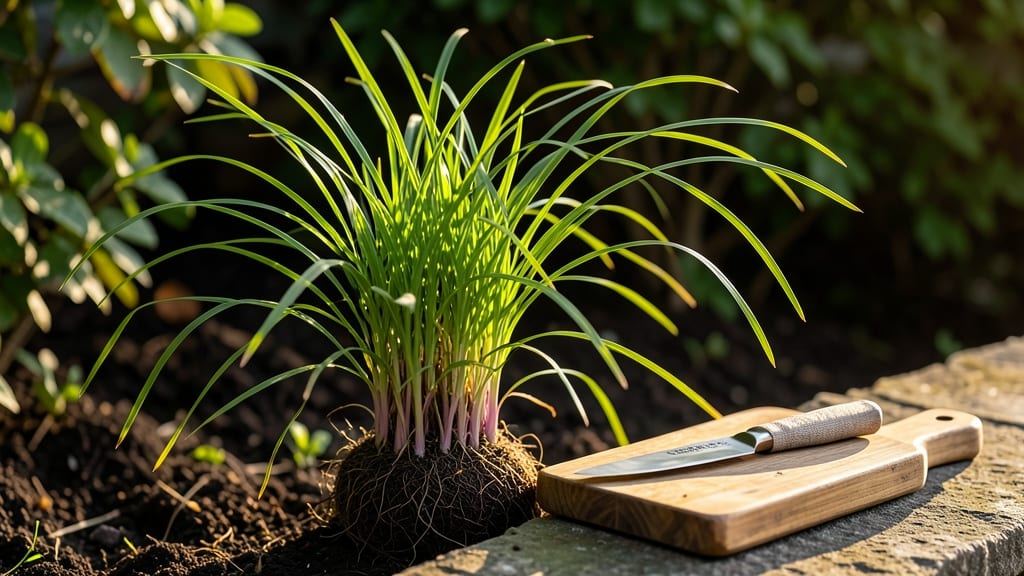
You can use lemongrass for its fragrant stems in cooking, teas, and natural remedies, adding a bright citrusy flavor to dishes like soups, curries, and marinades while also supporting digestion and reducing inflammation in traditional medicine.
Lemongrass isn't just a flavor enhancer—it's a culinary chameleon that works in everything from Thai-inspired cocktails to grilled meats and even desserts. 🌿 The secret lies in its dual profile: sharp citrus notes paired with a subtle peppery kick.
I've used it to infuse oils for dressings or steeped it in hot water for homemade iced tea that rivals store-bought versions. Beyond food, lemongrass's medicinal properties make it a pantry staple for everything from soothing stomachaches to easing muscle tension when made into infused oils.
What makes lemongrass truly versatile is how it adapts to different preparation methods. Fresh stems work best for cooking, while dried versions are perfect for teas and remedies.
The key is to crush the stems slightly before using them—this releases the essential oils that carry both the flavor and healing benefits. Whether you're simmering it in a spicy curry or blending it into a detox drink, lemongrass delivers that perfect balance of zing and warmth.
💡 In This Article
- Lemongrass Culinary Uses Beyond Standard Recipes
- Medicinal Benefits of Lemongrass in Home Remedies
Lemongrass culinary uses beyond standard recipes
The aromatic magic of lemongrass comes from its essential oils—citral and geraniol—which create that signature citrusy aroma with a peppery finish. When you crush the stems (about 3-4 inches per serving), you release these compounds, intensifying flavors in dishes.
This is why Thai chefs often pound lemongrass with garlic and shallots before adding it to tom yum soup—the crushed stems infuse the broth with layers of brightness that balance the heat. 🌟 The oil content (around 0.2-0.5%) also makes it perfect for marinades, where it tenderizes proteins like chicken or shrimp while adding depth.
Beyond savory dishes, lemongrass shines in unexpected places. Try steeping 1 stalk in 1 cup of hot water for 10 minutes to make a refreshing iced tea that pairs beautifully with spicy foods.
For desserts, blend 2 tablespoons of finely chopped lemongrass with coconut milk and honey to create a creamy sorbet base. The grassy notes cut through sweetness, much like how it balances the richness in Thai coconut curries.
Fermentation is another secret weapon—adding chopped lemongrass to pickling brines (about 1 tablespoon per quart) prevents mold growth while imparting a bright, herbal tang to vegetables.
What most people overlook is lemongrass's role in preserving food. The natural antimicrobial properties (thanks to citral) make it ideal for extending shelf life.
For example, simmering 2 stalks in 1 quart of water for 20 minutes creates a fragrant infusion that can be added to homemade broths or used as a natural preservative for fermented foods.
The same infusion works as a cleaning agent for cutting boards—simply wipe down surfaces with a lemongrass-infused cloth to disinfect and deodorize. This dual functionality makes lemongrass a kitchen MVP that goes far beyond just flavoring.
Temperature matters when cooking with lemongrass. High heat (above 350°F) can turn its flavor bitter, so it's best used in dishes that simmer or slow-cook, like braised meats or stews.
For grilling, wrap lemongrass bundles in foil with your protein—this creates a fragrant steam bath that infuses flavor without direct heat exposure. The key is to remove lemongrass stalks before serving, as they become fibrous and unappetizing when cooked.
Even the discarded stalks aren't wasted: compost them or use them to make homemade cleaning vinegar by steeping in white vinegar for 2 weeks. 🌿
For those who love cocktails, lemongrass is a game-changer. Muddle 1 stalk with 1 lime wedge and 1 teaspoon of sugar, then top with vodka and soda water for a Thai-inspired gin and tonic variation. The grassy notes elevate the drink's complexity, creating a profile that's both refreshing and sophisticated.
The same technique works for non-alcoholic spritzers—just replace the vodka with sparkling water and a splash of bitters. This versatility proves lemongrass isn't just a spice; it's a flavor architect that can transform simple ingredients into something extraordinary.