
Companion Plants
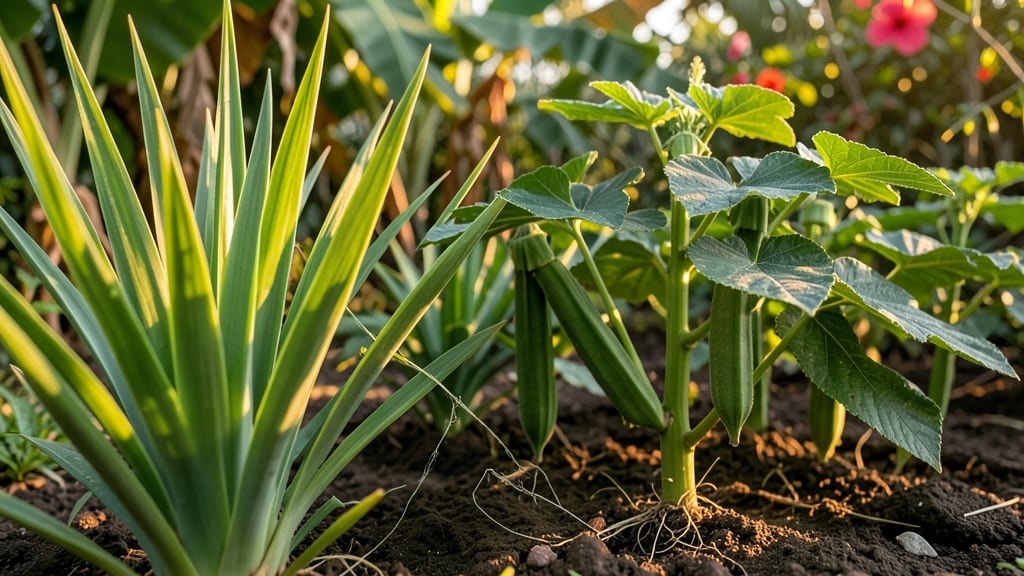
Lemongrass thrives in warm climates but needs the right companions to flourish. These 10 plants not only grow well alongside lemongrass but enhance its growth, deter pests, and create a lush tropical garden ecosystem that’s both beautiful and functional.
Thai Basil for Flavorful Companion Planting
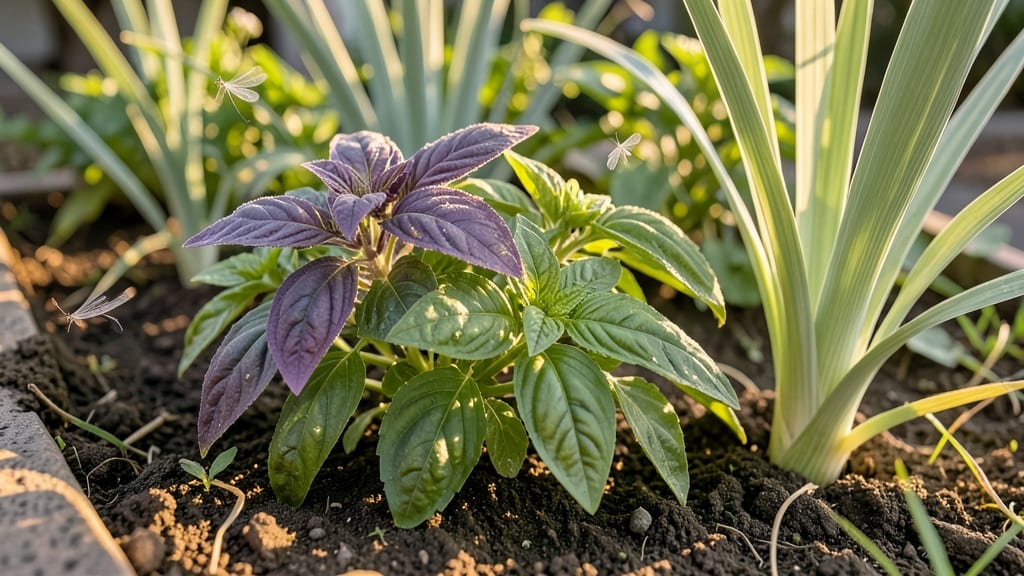
Craving a culinary garden that doubles as a pest-free paradise? Thai basil is the secret weapon you’ve been missing. Its aromatic leaves not only enhance lemongrass’s signature citrusy notes but also act as a natural deterrent against aphids and whiteflies, keeping your tropical trio thriving without chemicals.
Plant Thai basil within 12–18 inches of lemongrass clumps to maximize pest-repelling benefits while sharing their love for well-drained, slightly acidic soil and full sun to partial shade. The purple-tinged stems of Thai basil add visual contrast, making your garden both functional and stunning. Plus, harvesting both herbs together simplifies meal prep—imagine fresh Thai basil-lemon curry with homegrown lemongrass!
This pairing is perfect for urban gardeners with limited space or home cooks who want a flavor-packed, low-maintenance herb duo. 🌿
Chili Peppers to Boost Growth Naturally
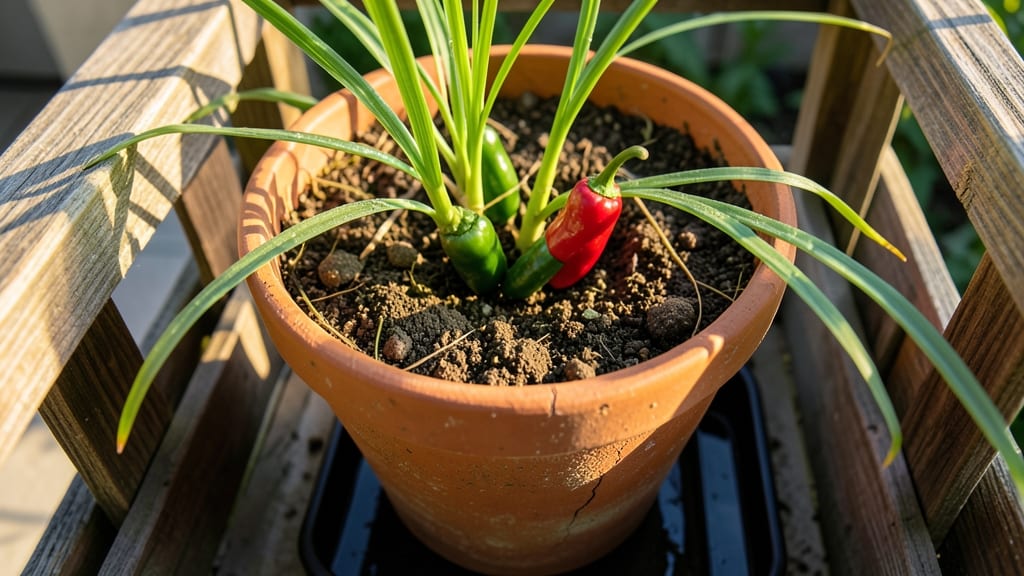
Small-space gardeners, rejoice—chili peppers and lemongrass are the dynamic duo your balcony or patio needs! Both thrive in well-drained soil and full sun, making them perfect neighbors that share watering schedules without competing for resources.
The real magic happens underground: chili peppers naturally repel pests like aphids and spider mites, which also target lemongrass. Their strong scent confuses insects while their deep roots improve soil aeration. For best results, plant them 6-12 inches apart in containers or garden beds, ensuring both get 6+ hours of sun daily. Bonus: The aromatic combo creates a fragrant, productive micro-garden in minimal space.
This pairing is ideal for urban growers or anyone who wants dual-purpose plants—harvest spicy peppers for cooking while enjoying lemongrass’s citrusy stalks. Your garden will stay lush and pest-free! 🌱
Sweet Potatoes for Ground Cover Harmony
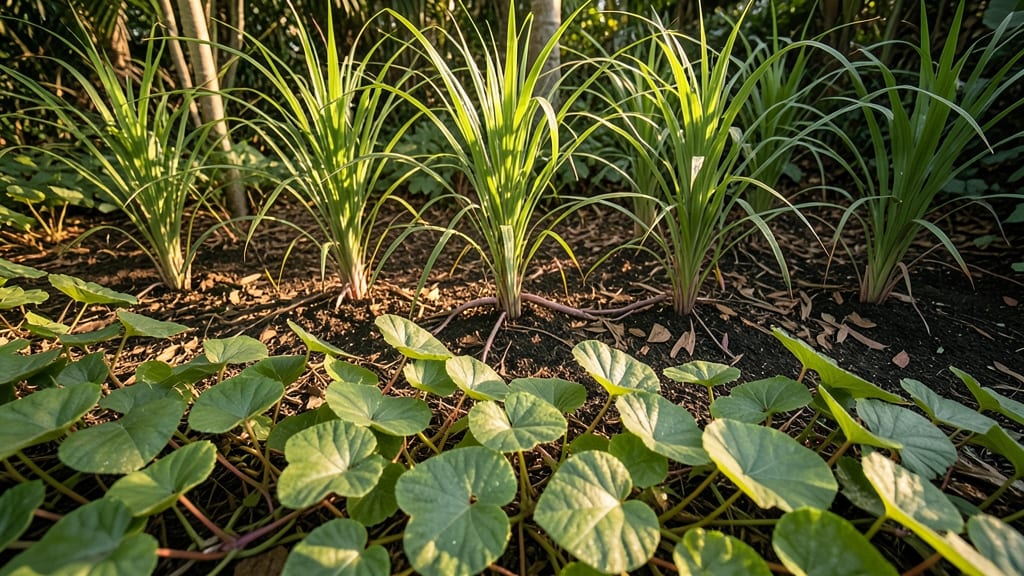
Tired of battling weeds while tending to your lemongrass? Sweet potatoes aren’t just for roasting—they’re a game-changer as a living mulch in tropical beds. Their sprawling vines create a dense, weed-blocking carpet that locks in moisture, letting your lemongrass focus on growing instead of competing for resources.
Plant slips (young shoots) around your lemongrass clumps in early spring, spacing them 12–18 inches apart. The vines will spread rapidly, shading the soil and reducing evaporation—ideal for subtropical climates where water conservation matters. Bonus: Harvest the edible tubers later for a dual-purpose garden! Just avoid overcrowding lemongrass stalks, as sweet potatoes prefer more elbow room.
This pairing is perfect for gardeners in zones 9–11 who want low-maintenance beds with fewer weeds and healthier plants. The sweet potatoes’ lush foliage also adds a tropical aesthetic while keeping your lemongrass thriving. 🌱
Mint Varieties for Pest Control
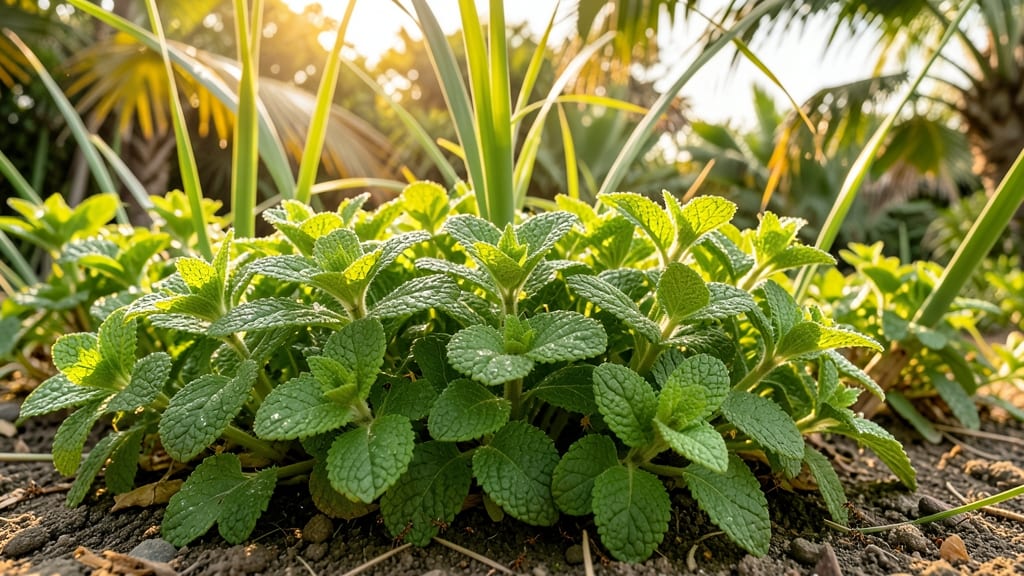
Tired of chemical sprays wreaking havoc on your tropical garden? Mint varieties like spearmint and peppermint act as nature’s pest control, repelling ants, mosquitoes, and even aphids while thriving alongside lemongrass in the same sunny, well-drained conditions. Their strong scent masks lemongrass’s aroma, confusing pests without harming your plants.
Plant mint in containers or dedicated beds with borders to prevent it from spreading aggressively—it’s a volunteer in the best sense! Use 1-2 gallon pots for small spaces or bury plastic barriers in the soil to contain roots. Harvest leaves regularly to encourage bushier growth and stronger pest-repelling oils.
This pairing is a game-changer for organic gardeners who want zero pesticides but maximum protection. Just remember: mint’s enthusiasm for growth means it needs as much containment as it does companionship! 🌱
Basil for Mutual Pollinator Support
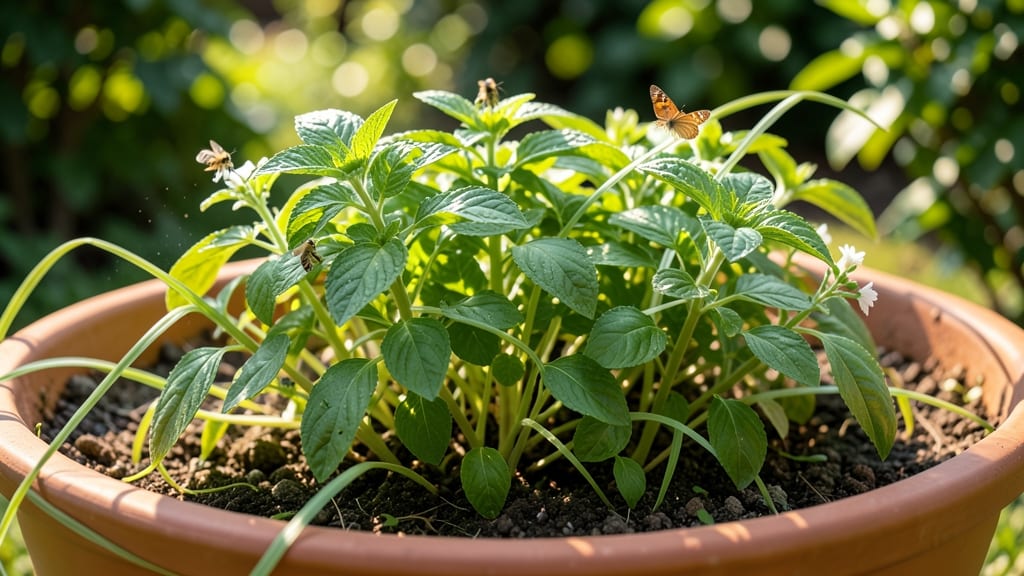
Want a pollinator-friendly herb that also boosts your lemongrass harvest? Sweet basil is the perfect partner—its fragrant leaves attract bees and butterflies while sharing lemongrass’s preference for well-drained soil and full sun. This dynamic duo thrives together in containers or garden beds, creating a mini ecosystem that benefits both plants and local wildlife.
Plant basil just 12–18 inches away from lemongrass to avoid competition, and watch as the bright flowers draw pollinators that help fertilize nearby crops. Both herbs love regular watering (but hate soggy roots) and benefit from occasional compost top-dressing. The result? A high-yielding, low-maintenance edible garden that’s both productive and ecologically balanced.
Urban gardeners and small-space growers will love this pairing—it’s ideal for wooden planters or raised beds where you can easily harvest both herbs for cooking. Plus, the dual benefits (pest control + pollination) make it a win-win for any tropical-inspired garden. 🌱
Marigolds to Deter Nematodes Naturally
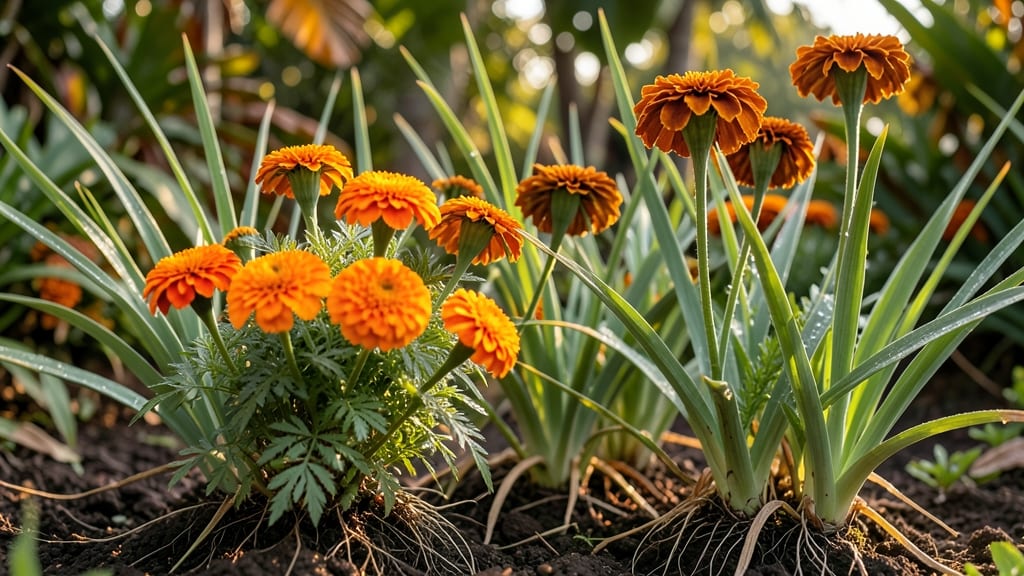
Tired of battling nematodes in your tropical garden beds? Marigolds are the secret weapon you’ve been missing—these cheerful blooms release natural compounds that repel soil-dwelling pests while protecting lemongrass roots.
Plant French marigolds (Tagetes patula) or African marigolds (Tagetes erecta) around your lemongrass clumps, spacing them about 12–18 inches apart for optimal pest deterrence. Their vibrant orange and yellow flowers not only deter nematodes but also improve soil health by attracting beneficial insects like ladybugs. The best part? They thrive in full sun and well-drained soil—just like lemongrass.
This pairing is a game-changer for gardeners in warm climates who want low-maintenance pest control without chemicals. Plus, the striking contrast of marigolds’ blooms against lemongrass’s slender stalks adds a pop of color to any tropical garden. 🌻
Banana Plants for Shade and Moisture
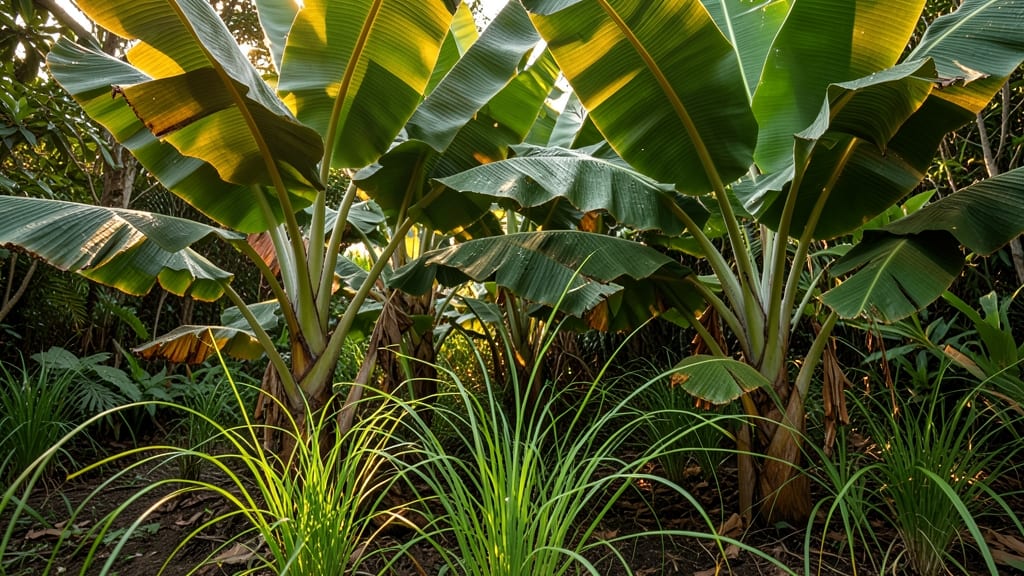
Transform your tropical garden into a thriving oasis by pairing lemongrass with banana plants—a dynamic duo that works beautifully in hot, humid climates. The towering fronds of banana plants create a natural shade canopy, protecting lemongrass from scorching afternoon sun while maintaining the moisture-rich environment both plants crave.
Plant banana plants 3-5 feet away from lemongrass to allow airflow and prevent fungal issues. Both thrive in well-draining, slightly acidic soil with consistent moisture, making them low-maintenance partners. The banana’s broad leaves also act as a windbreak, shielding lemongrass stalks from damage while adding vertical drama to your landscape.
This pairing is perfect for gardeners with space for larger plants or those designing a tropical-themed garden. The banana’s rapid growth and dramatic foliage elevate lemongrass’s citrusy charm, creating a lush, layered look that’s both functional and stunning. 🌻
Cilantro for Cool-Season Pairing
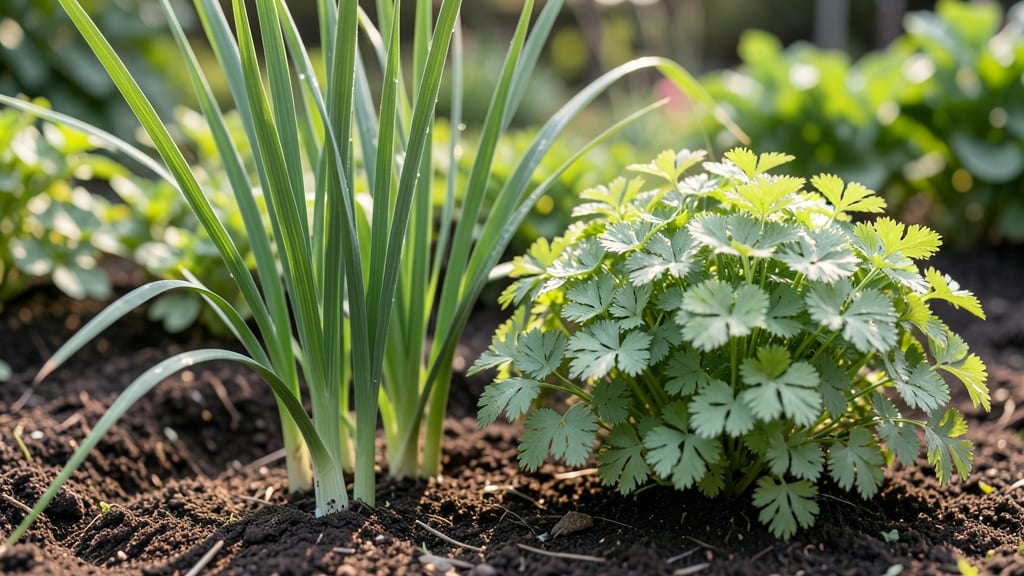
When cooler temperatures arrive, cilantro becomes the unexpected hero for extending your lemongrass harvest—both thrive in mild, cool-season conditions (50–80°F) and share a love for moist, well-drained soil.
Plant cilantro just 6–12 inches away from lemongrass to create a fragrant, dual-purpose herb duo perfect for soups, salads, or teas. Both herbs prefer partial shade in hot afternoons, making them ideal for containers or shaded garden corners. Harvest cilantro’s leaves as needed to encourage bushier growth, while lemongrass stalks can be trimmed for use in the kitchen.
This pairing is a game-changer for gardeners in USDA zones 8–10 who want to keep their herb garden productive year-round without fuss. 🌱
Pineapple Sage for Aromatic Synergy
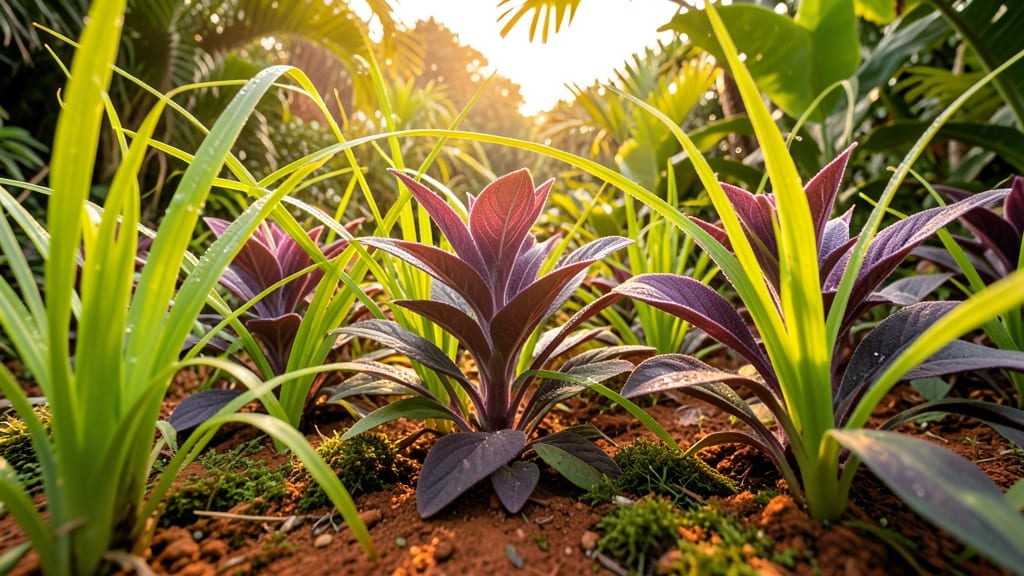
Transform your tropical garden into a fragrant paradise by pairing pineapple sage with your lemongrass. This aromatic duo creates a sensory experience—where lemongrass’s bright citrus notes blend seamlessly with pineapple sage’s sweet, tropical pineapple-like fragrance.
Both thrive in warm, humid conditions with 6-8 hours of sunlight daily, making them perfect container companions or in-ground neighbors. The bright red flowers of pineapple sage also attract pollinators like bees and butterflies, boosting your garden’s biodiversity while adding vibrant color. Simply plant them 12-18 inches apart to avoid competition.
This pairing is ideal for gardeners who love sensory gardens or want to enhance their outdoor spaces with dual-purpose plants that are both beautiful and functional. 🌻
Okra for Nutrient-Rich Soil Boost

Want a low-maintenance way to boost your soil’s fertility while keeping lemongrass thriving? Plant okra nearby. This drought-tolerant companion fixes nitrogen in the soil—just like clover—but produces edible pods you can harvest in as little as 50 days.
Okra thrives in the same warm, sunny conditions as lemongrass, requiring minimal water once established. The deep roots also improve soil structure, making it ideal for gardeners who struggle with poor or compacted soil. Plus, its tall, lush foliage adds vertical interest to your tropical garden beds.
Perfect for urban gardeners or those with limited water resources, okra turns your lemongrass patch into a self-sustaining, nutrient-rich zone without extra effort. 🌱