
Plants
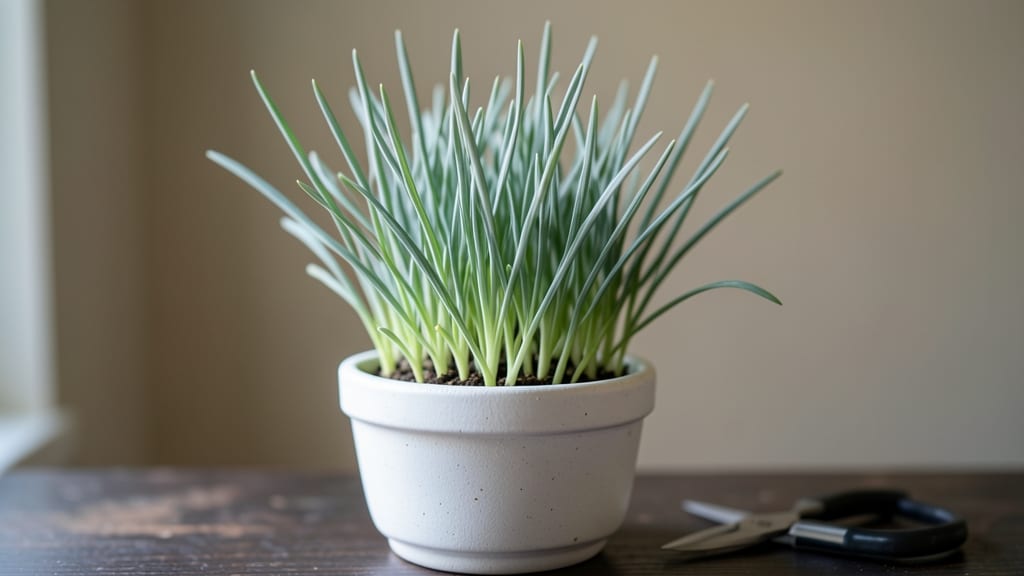
Wheatgrass looks like a bright green, grassy plant with slender blades that grow in tight clusters 🌱 — think of a shorter, bushier version of your lawn grass, but packed with nutrients.
If you’ve ever sipped wheatgrass juice or seen it in health stores, you might wonder what this vibrant green plant looks like before it reaches your glass. From delicate sprouts to thick, nutrient-packed stalks, wheatgrass undergoes dramatic transformations—each stage offering clues about its health and readiness for harvest.
At first, it starts as tiny, grass-like shoots that spread close to the soil, but as it matures, the blades grow taller and thicker, reaching up to 1 foot in height. The leaves are smooth and slightly waxy, with a deep, rich green color that signals it’s ready for picking.
In this guide, I’ll walk you through how to spot wheatgrass at every growth stage, from seed to harvest, so you can tell it apart from other grasses and know exactly when to reap those juicy, nutrient-rich blades.
Wheatgrass growth stages: visual guide from seed to full stalks
Watching wheatgrass grow is like witnessing a living green transformation—starting as tiny seeds and evolving into nutrient-dense stalks ready for harvest. Each growth stage reveals its health, and knowing what to expect helps you time your harvest perfectly.
Whether you're growing it indoors or outdoors, these visual clues will guide you from seed germination to harvest-ready stalks.
Wheatgrass begins its journey as a tiny seed that swells with moisture, breaking through the soil in just a few days. The first signs of life are delicate white roots followed by a pale green sprout peeking above the surface.
This early stage is all about establishing roots and preparing for rapid growth—think of it as the plant’s foundation.
⚠️ NON-NEGOTIABLE: summary table ELEMENT REQUIRED ⚠️
Once the germination stage is complete, wheatgrass enters its early growth phase, where it develops its signature long, thin blades. The leaves are still tender but begin to stand upright, forming a dense cluster.
This is when the plant starts to resemble the juicy stalks you’ll later harvest—just on a smaller scale.
By day 14-21, your wheatgrass will enter its rapid growth phase, shooting up quickly with thicker stalks and broader leaves. The color deepens to a vibrant emerald green, signaling that the plant is absorbing sunlight efficiently.
This is the sweet spot for nutrient content, making it ideal for juicing or blending.
At the harvest-ready stage, wheatgrass reaches its peak—typically between 28-45 days after planting. The stalks are thick and upright, often reaching 8-12 inches tall, with leaves that are crisp and deep green. The blades should separate easily from the base, indicating maturity and readiness for cutting.
If your wheatgrass develops yellowing leaves or thin stalks, it may be a sign of nutrient deficiency or overcrowding. Thin stalks can also mean the plant is underwatered, while overly thick stalks might indicate excessive nitrogen.
Always aim for a balance of moisture, sunlight, and nutrients to encourage healthy growth.
To maintain optimal growth, place your wheatgrass in a location with 6+ hours of sunlight daily and keep the soil consistently moist but not soggy. Avoid overwatering, as this can lead to mold or root rot, which will stunt growth and discolor the leaves.
With the right care, your wheatgrass will thrive and reward you with nutrient-packed stalks ready for harvest.
Harvesting at the right time is key—wait until the leaves are 6-8 inches tall and the stalks are thick and upright. Use a sharp pair of clean scissors to cut just above the soil line, leaving about 1 inch of stubble to encourage regrowth.
This method ensures you get the most nutrient-dense portion of the plant every time.
Understanding these growth stages helps you anticipate when your wheatgrass will be ready for harvest, ensuring you get the most out of your crop. Whether you're growing it for juicing, smoothies, or garnishes, recognizing these visual cues will make your gardening experience smoother and more rewarding.
How to identify healthy wheatgrass vs. common problems
Healthy wheatgrass is a vibrant, eye-catching plant that thrives under the right conditions. When growing strong, it boasts bright emerald-green blades that feel crisp to the touch.
The leaves are long, slender, and grow in dense clumps, reaching 6-8 inches tall before harvest. If your wheatgrass looks like this, you're on the right track!
But what if your wheatgrass isn’t meeting these standards? Yellowing leaves, wilting stalks, or moldy growth can signal problems. These issues often stem from overwatering, nutrient deficiencies, or poor growing conditions. Let’s break down what to watch for and how to fix it.
- Color: Bright emerald-green blades
- Texture: Crisp, not mushy or slimy
- Height: 6-8 inches at harvest
- Growth: Dense, upright clumps
If your wheatgrass lacks these traits, it may need adjustments in water, light, or nutrients.
One of the most common issues is overwatering, which causes yellowing leaves and mushy stems. Wheatgrass needs consistent moisture, but soggy soil suffocates roots. To fix this, let the top inch of soil dry out between waterings and ensure your trays have drainage holes.
Watering in the morning helps prevent fungal growth too.
Pests like aphids or fungus gnats can also wreak havoc. Look for tiny insects on leaves or white mold on the soil surface. If you spot pests, spray leaves with a mix of water and neem oil or introduce beneficial insects like ladybugs. For mold, improve airflow by spacing trays apart and reducing watering frequency.
If your wheatgrass appears stunted or pale, it may need more nutrients. Use a balanced fertilizer (like 5-10-5) every 4-6 weeks during active growth. Avoid over-fertilizing, as this can burn roots. Additionally, ensure your wheatgrass gets 6+ hours of sunlight daily—shady spots lead to weak, leggy growth.
Finally, always harvest wheatgrass at the right time. Wait until blades reach 6-8 inches tall and have a deep green color. Cut just above the soil line with clean scissors, and avoid harvesting more than one-third of the plant at once to encourage regrowth.
By keeping an eye on these visual and tactile cues, you’ll ensure your wheatgrass stays healthy, lush, and ready for harvest every time. Happy growing! 🌱