
Lawn
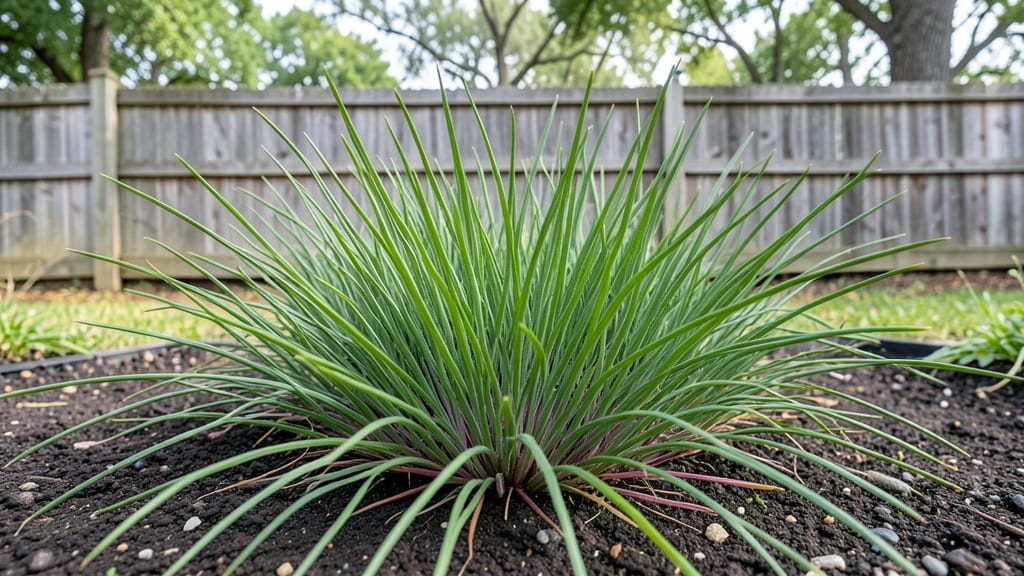
New Bermuda grass 🌱 starts as tiny, bright green sprouts that look more like delicate blades than the thick turf you’re hoping for.
If you’ve just planted Bermuda grass seeds and are waiting for that lush green lawn to appear, knowing what to expect in the early stages can save you from confusion—or even disappointment.
But here’s the thing: new Bermuda grass doesn’t look like its mature counterpart right away, and spotting it early requires understanding its unique growth patterns.
In the first few weeks, the seedlings are sparse, with blades no wider than a pencil and a soft, almost fuzzy texture. They spread slowly at first, often blending in with weeds or other grasses unless you know what to look for.
The key is recognizing those narrow, pointed leaves and the way they grow in clusters.
Below, I’ll walk you through how to identify new Bermuda grass, compare it to weeds, and share tips to ensure your lawn gets off to the right start—so you’re not left wondering if those tiny sprouts are even the right grass at all.
Identifying new Bermuda grass: early growth stages and key visual features
New Bermuda grass seedlings are often overlooked because they don’t resemble the thick, vibrant lawn you’re dreaming of. In the first 2-4 weeks after germination, these young sprouts have distinct features that set them apart from weeds or other grasses.
The key is knowing what to look for—leaf color, growth pattern, and texture all play crucial roles in identification.
One of the first things you’ll notice is the bright green color of new Bermuda grass seedlings. Unlike mature grass, which has a deeper, richer hue, young sprouts appear almost neon-green due to their high chlorophyll content.
This vibrant color helps them compete for sunlight during early growth stages. Additionally, the seedlings grow in clusters, often forming small groups rather than spreading evenly.
Here’s a quick visual guide to help you spot new Bermuda grass in its earliest stages:
| Feature | Description | Visual Clue |
|---|---|---|
| Seedling Color | Bright, almost neon-green | 🟢 (Vibrant, not dull) |
| Leaf Width | Narrow, 1/16 to 1/8 inch wide | 🌱 (Thin and wiry) |
| Growth Pattern | Forms dense clusters or "tillers" | 🌿 (Grouped, not scattered) |
| Leaf Texture | Smooth and slightly glossy | ✨ (Shiny surface) |
| Root System | Shallow, fibrous roots spreading outward | 🪴 (Web-like structure) |
| Growth Speed | 1-2 inches per week in ideal conditions | ⏱️ (Rapid in warm soil) |
| Distinguishing Weed | Crabgrass has broad leaves and spreads wider | 🚫 (Avoid broadleaf weeds) |
The leaf width of new Bermuda grass is another telltale sign. Young blades are incredibly thin—typically 1/16 to 1/8 inch wide—giving them a wiry appearance. This narrowness helps differentiate them from weeds like crabgrass, which have broader, more blade-like leaves.
If you’re unsure, try pulling a seedling gently: Bermuda grass has a fibrous root system that resists easy removal, unlike many annual weeds.
One common mistake I see is confusing Bermuda grass seedlings with chickweed or dandelions, which often appear in early spring. Chickweed has smooth, oval leaves with jagged edges, while dandelions feature rosettes of long, toothed leaves.
Bermuda grass, on the other hand, grows in tight clusters with no visible teeth or lobes on its blades. This clumping habit is a dead giveaway.
Pay attention to the growth speed as well. Under ideal conditions—warm soil (65°F+) and full sun—Bermuda grass can grow 1-2 inches per week during its early stages.
If your seedlings are growing slower, check for shade or cool soil temperatures, which can stunt their development. A simple soil thermometer can help you monitor these conditions.
Another helpful trick is to observe the leaf arrangement. Bermuda grass seedlings often grow in a spiral pattern around the stem, a characteristic known as "twisted" or "alternate" phyllotaxy.
This is different from many weeds, which tend to have leaves that grow directly opposite each other or in a rosette pattern. If you’re still unsure, snap a photo and compare it to online guides or consult a local nursery for a second opinion.
Finally, don’t forget that consistent moisture is critical during these early weeks. Bermuda grass seedlings need deep watering every 1-3 days to establish strong roots. Overwatering or underwatering can lead to yellowing or wilting, which might make the grass look unhealthy or even dead.
Aim for 1 inch of water per week, adjusting based on rainfall and soil type.
By keeping these visual cues in mind—bright green color, narrow leaves, clumping growth, and fibrous roots—you’ll be able to confidently identify new Bermuda grass and give it the care it needs to thrive.
Once you spot those first seedlings, you’ll be well on your way to a lush, green lawn! 🌱
Bermuda grass vs. common weeds: how to tell them apart in early growth
Spotting new Bermuda grass seedlings among weeds can feel like finding a needle in a haystack—especially when both look like tiny green sprouts at first glance. The key is understanding their root systems, leaf patterns, and growth speed.
Weeds like crabgrass and chickweed often pop up faster, while Bermuda grass takes its time to establish those signature rhizomes and stolons that set it apart.
Bermuda grass seedlings typically emerge with narrow, pointed leaves that grow in a v-shaped arrangement along the stem. Unlike weeds, they don’t sprawl outward immediately—instead, they stay close to the ground, forming a dense mat as they mature.
This early growth habit is your first clue that what you’re seeing isn’t just another weed taking over.
New Bermuda Grass Seedlings
Pros
- V-shaped leaves (pointed, narrow)
- Slow, dense growth (stays close to ground)
- Rhizomes/stolons appear in 3-4 weeks
- Dark green color (even in shade)
Cons
- Can be mistaken for weeds in early stages
- Slow germination (takes 7-14 days)
- Requires warm soil (below 65°F = no growth)
- Thin seedlings if overcrowded
Common Weeds Comparison
Crabgrass
- Wide, flat leaves (like a boat)
- Fast sprawling growth (invasive)
- Reddish stems near base
Chickweed
- Oval, fuzzy leaves (soft texture)
- Creeping stems (not upright)
- Blooms tiny white flowers early
One of the biggest mistakes I see is assuming all green sprouts are Bermuda grass. Crabgrass, for example, has broad, flat leaves that look more like a tiny boat than Bermuda’s needle-like blades.
Pull up a suspect sprout—if it has a fibrous root system (like a tangled mess), it’s likely a weed. Bermuda grass develops thick rhizomes (underground stems) and stolons (above-ground runners) within 3-4 weeks.
Chickweed is another sneaky imposter with its oval, fuzzy leaves and creeping stems. Unlike Bermuda, chickweed grows horizontally across the soil surface, while Bermuda stays more upright and compact.
If you spot tiny white flowers on your "grass," you’re dealing with chickweed—not Bermuda. Pull these weeds early to avoid competition for nutrients and space.
To confirm you’re seeing Bermuda, wait for the tillering stage (when multiple blades sprout from the base). This happens around 4-6 weeks and is a dead giveaway. Meanwhile, weeds like dandelions or clover will show their true colors (literally) with distinct leaf shapes and flower structures.
Use a soil thermometer—Bermuda grass only germinates in soil above 65°F, so cold-season weeds are your only competition if planted early.
Pro tip: Run your fingers through the seedlings. Bermuda’s leaves feel smooth and slightly waxy, while weeds like foxtail have rough, hairy edges. Keep a lawn journal with photos of your seedlings’ progress—this visual record will help you spot patterns and distinguish Bermuda from future weed invasions.