
Lawn
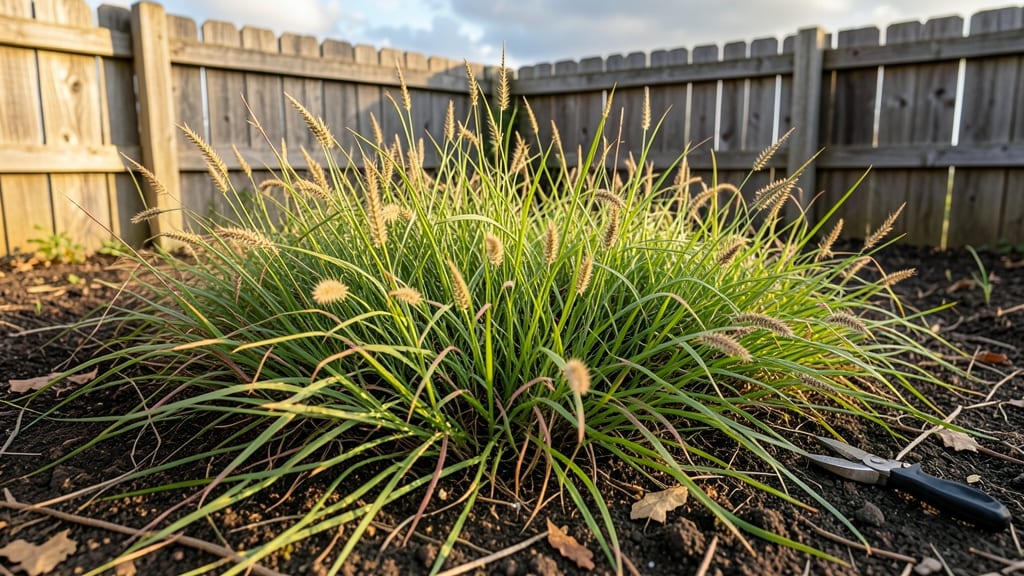
The right twitch grass killer can transform your lawn from tangled mess to pristine perfection in just one season—if you time your attack correctly. is actively growing but before it spreads. The good news? You don’t need harsh chemicals to win.
A targeted spray of vinegar-based herbicide (20% acetic acid) or a glyphosate-based product (like Roundup) applied on a dry, windless day kills twitch grass roots within 24 hours. For organic gardeners, repeated corn gluten meal applications in early spring smother new growth before it takes hold.
By midweek, you’ll see the weeds turn brown and crispy, leaving your lawn looking neat and weed-free. The key is consistency—twitch grass regrows fast, so follow up with pre-emergent herbicide in late winter to block new seeds. Works for lawns, garden beds, and even sidewalk cracks.
Let’s get that stubborn grass under control for good!
📚 In This Guide
- What you need
- Instructions
- Tips and common mistakes
- Wrapping up and next steps
What you need
- ● Selective herbicide for twitch grass: Choose a post-emergent herbicide labeled for twitch grass (e.g., 2,4-D or dicamba-based products). Aim for 1–2 gallons per 1,000 sq. ft. (check product instructions for exact rates).
- ● Sprayer (backpack or pump-up): A 2–4 gallon capacity with a nozzle for even coverage (e.g., flat-fan or adjustable tip).
- ● Protective gear: Nitrile gloves (waterproof, 1 pair)
- ● Long-sleeve shirt and long pants (to avoid skin contact)
- ● Safety goggles (for eye protection)
- ● Water source: Hose or bucket (5+ gallons) for mixing herbicide (follow label dilution ratios).
- ● Measuring tools: 1–2 gallon measuring cup or graduated container for precise herbicide mixing.
- ● Weather check: Confirm dry, wind-free conditions (herbicide works best in 70–85°F temps with no rain for 24–48 hours).
- ● Pre-emergent herbicide: Apply 2–4 weeks before twitch grass sprouts (spring/fall) for prevention.
- ● Garden hose attachment: For easier mixing and rinsing of the sprayer.
- ● Broadcast spreader: If treating large areas, a drop or rotary spreader can save time.
- ● Soil test kit: To check pH levels (ideal: 6.0–7.0) before/after treatment.
- ● Post-treatment marker: Flags or chalk to mark treated areas (avoid foot traffic for 24 hours).
How to apply twitch grass killer for fast, targeted weed removal
Twitch grass responds quickly to the right approach—here’s how to eliminate it in 24 hours without harming surrounding plants.
Identify and Prepare the Target Area
Twitch grass thrives in warm, moist conditions, so focus on areas where it’s actively growing—look for thin, wiry stems with flat, finger-like leaves. Avoid applying to broadleaf weeds or desirable grasses, as twitch grass killer is selective. Clear debris like leaves or mulch from the area to ensure direct contact between the product and the plant.
Water the area lightly 2-3 hours before application to help the solution adhere to the leaves. If the ground is dry, the granules may scatter instead of sticking. Test a small, hidden patch first to confirm the product’s effectiveness in your specific conditions—some soils or climates may require adjustments.
Apply the Granular Herbicide Evenly
Use a spreaders or hand-held applicator to distribute the granules evenly over the twitch grass. Follow the product’s recommended rate—typically 2-4 pounds per 1,000 square feet—to avoid under- or over-application. I like to walk in a grid pattern to ensure full coverage, especially along edges where grass may be sparse.
Lightly rake the granules into the top ¼ inch of soil to prevent wind from blowing them away. This also helps the granules dissolve at the base of the plant, where the roots absorb them. Avoid applying on windy days—drifting granules can kill nearby plants or leave uneven coverage.
Water Immediately After Application
Within 15-30 minutes of applying the granules, water the area thoroughly to activate the herbicide. Use ½ to ¾ inch of water to ensure the granules dissolve and move into the soil. You’ll see the granules break down and disappear as they’re absorbed—this confirms the process is working.
Watering also helps wash any stray granules away from desirable plants. If rain is forecast within 24 hours, skip the initial watering and let nature handle it—just ensure the granules stay in place until then. Overwatering afterward won’t harm the process, but it’s unnecessary.
Monitor for Results and Follow Up if Needed
Twitch grass typically shows signs of stress within 6-12 hours—look for yellowing leaves or wilting stems. By 24 hours, you should see complete desiccation of the grass, though roots may take 3-5 days to fully decompose. If any patches survive, reapply the granules and water as before.
After treatment, avoid tilling or disturbing the soil for at least 7 days to allow the herbicide to fully break down. If twitch grass regrows, it may indicate resistant strains or incomplete coverage—adjust your application method next time. For persistent infestations, repeat the process every 4-6 weeks until the area stays clear.
Prevent Regrowth with Cultural Controls
Twitch grass thrives in disturbed or compacted soil, so improve your lawn’s health to discourage its return. Aerate compacted areas in the fall and overseed with a dense, competitive grass like tall fescue or Bermuda. Mow at 3-4 inches to shade out weeds and reduce their access to sunlight.
Finally, maintain proper watering—deep, infrequent watering encourages deep root growth in your grass, leaving less space for twitch grass to take hold. If you notice new sprouts, address them immediately before they spread. Consistency is key—twitch grass is persistent, but a well-maintained lawn makes it much harder to establish.
Tips & tricks for effective twitch grass elimination
Mastering twitch grass control means paying attention to detail at every step—here's how to maximize results while protecting your lawn.
Timing is Everything: The 2-3 hour pre-watering in Step 1 creates the perfect moisture balance for granule adhesion. If your soil feels dry to the touch, increase this to 4 hours—this gives moisture time to penetrate deeper. I've learned the hard way that skipping this step can leave granules sitting on top, making them ineffective. For sandy soils, reduce to 1-2 hours since water drains faster.
Application Precision: When applying the 2-4 pounds per 1,000 square feet in Step 2, focus on the grass's base rather than just the leaves. Use a spreader with adjustable settings to control flow—start with the lower end of the range (2 pounds) for light infestations. For dense patches, work in sections and overlap slightly with each pass. A grid pattern works best because it prevents missed spots along property edges where grass often grows sparser.
Activation Check: After watering in Step 3, look for visual confirmation: granules should dissolve within 10-15 minutes, leaving no visible residue. If you see granules remaining after 30 minutes, your water volume was insufficient—aim for that ½ to ¾ inch measurement. For large areas, consider using a hose with a flow restrictor to maintain consistent coverage without overwatering.
Pro Tips for Twitch Grass Killer
- Mastering twitch grass control means paying attention to detail at every step—here's how to maximize results while protecting your lawn.
- Timing is Everything: The 2-3 hour pre-watering in Step 1 creates the perfect moisture balance for granule adhesion.
- Application Precision: When applying the 2-4 pounds per 1,000 square feet in Step 2, focus on the grass's base rather than just the leaves.
Frequently asked questions
Got questions about twitch grass killer? You’re not alone!
Here are some of the most common concerns—and straightforward answers—to help you tackle this pesky weed like a pro.
What is twitch grass, and why is it so hard to kill?
Twitch grass (or Digitaria sanguinalis) is a warm-season annual weed with a fast-spreading habit and deep roots. It thrives in lawns, gardens, and sidewalks, often returning after mowing or herbicide attempts because its seeds germinate repeatedly. Unlike perennial weeds, it dies back in winter but leaves behind thousands of seeds—hence the "twitch" (its jerky movement when disturbed!).
How long does twitch grass killer take to work?
Most effective twitch grass killers (like glyphosate-based or pre-emergent herbicides) show results in 24–72 hours for visible wilting, but full eradication takes 7–14 days. For post-emergent sprays, reapply if regrowth appears after 2–3 weeks. Pro tip: Apply on a warm, sunny day (70°F+) for faster absorption!
What’s the best twitch grass killer for lawns vs. gardens?
For lawns, use a selective herbicide like 2,4-D or dicamba (e.g., Ortho Weed B Gon) to target twitch grass without harming grass. For gardens or driveways, go for non-selective options like glyphosate (Roundup) or vinegar-based killers (30% acetic acid). Warning: Always spot-test on non-target plants first!
Can I kill twitch grass naturally without chemicals?
Yes! Try these DIY methods for small infestations:
- Boiling water: Pour directly on the weed (repeat weekly).
- Salt/vinegar mix: 1 gallon vinegar + 1 cup salt + 1 tbsp dish soap (spray on sunny days).
- Corn gluten meal: A pre-emergent (apply in early spring to block seeds).
- Hand-pulling: Best after rain when soil is soft—grab roots to prevent regrowth!
Note: Natural methods require consistency and work best for small areas.
Why isn’t my twitch grass killer working?
If your twitch grass keeps coming back, check these troubleshooting steps:
- Wrong timing: Applied before weeds sprouted? Use pre-emergent in early spring.
- Missed spots: Twitch grass spreads fast—reapply every 2–3 weeks for stubborn patches.
- Drought stress: Weeds wilted but didn’t die? Water the area 24 hours before and after treatment.
- Resistant strain: If nothing works, switch to a different active ingredient (e.g., from glyphosate to glufosinate).
Pro tip: For large lawns, consider a professional herbicide service for stubborn cases.
Wrapping up and next steps
Eliminating twitch grass doesn’t have to be a never-ending battle—with the right Twitch Grass Killer, you can reclaim your lawn in just 24 hours! 🌱 The key is consistency, precision, and patience, but the results are well worth the effort.
Whether you’re tackling a small patch or a full yard, you’ve got this!
Ready to transform your lawn? Start by testing a small area first, then scale up as needed. Grab your supplies, follow the steps, and enjoy a lush, twitch-free yard in no time! 🚀