
Lawn
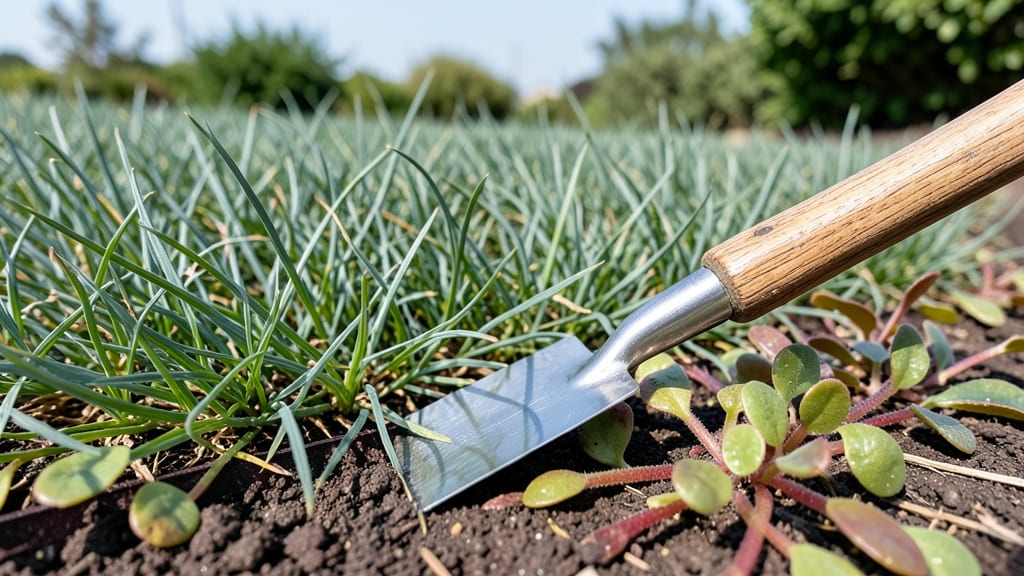
Those sharp weeds in the grass—nutgrass and crabgrass—can turn your lawn into a minefield of thorns and frustration. 🌱 I’ve spent years wrestling with these stubborn invaders—until I discovered the right tools and techniques to pull them cleanly without wrecking my back. or my knees.
The secret isn’t brute force; it’s precision, timing, and knowing which weeds to tackle first.
Most people grab whatever’s handy—a trowel, their hands, or even a weed whacker—and end up with more work than they started. Instead, I use a hula hoe for broadleaf weeds and a digging fork for deep-rooted nutgrass.
A pair of garden gloves with reinforced palms protects against those sharp edges, and a sharp knife helps sever stubborn roots without leaving fragments behind.
By pulling weeds when the soil is moist (after rain or watering) and focusing on small patches at a time, you’ll see results in just one weekend session.
The key is consistency—once you remove them, smother bare spots with mulch or overseed to prevent regrowth. Your lawn will go from prickly to plush in no time.
This method works for any yard, whether you’re dealing with a few stubborn weeds or a full-blown invasion. The right tools and a little patience make all the difference—no backache required. Let’s get those sharp intruders out for good!
📚 In This Guide
- What you need
- Instructions
- Tips and common mistakes
- Wrapping up and next steps
What you need
- ● Garden gloves – Heavy-duty, nitrile-coated (for grip and protection against thorns). Size: Medium to large (one pair).
- ○ Weed puller (hand or long-handled) – Look for a sturdy, ergonomic design with a sharp, serrated edge for gripping weeds at the root. Optional: A dandelion digger for deep-rooted weeds.
- ● Garden shears or pruners – Bypass-style (clean cuts) for stubborn or woody weeds. Size: 6-8 inches.
- ● Knee pads – Foam or gel-filled for comfort during long sessions.
- ○ Bucket or wheelbarrow – 5-gallon capacity for collecting weeds/debris. Optional: A lined bag for easy disposal.
- ● Sunscreen (SPF 30+) – Broad-spectrum for exposed skin.
- ● Wide-brimmed hat or cap – UPF-rated for sun protection.
- ● Long sleeves/pants – Lightweight, quick-dry fabric to shield against scratches.
- ● Back support belt – Adjustable if you have pre-existing back issues.
- ● Vinegar spray (20-30% acetic acid) – For spot-treating weeds (mix 1 gallon vinegar + 1 gallon water + 1 tbsp dish soap).
- ● Boiling water kettle – Eco-friendly weed killer for crack-resistant areas.
- ● Portable stool – Folding, lightweight for breaks.
- ● Weed torch (propane) – For large, dry weed patches (use cautiously!).
Step-by-Step instructions for precision weed removal in lawns
Here's how to tackle sharp, stubborn weeds without straining your back or leaving roots behind.
🪴 Step 1: Gather Your Precision Tools
Start with a sharp garden fork or weeding knife—dull tools make the job harder and tear roots, leading to regrowth. I always add a pair of knee pads because you'll be working close to the ground for long stretches. A small hand trowel works for tight spaces between blades of grass.
Wear gloves with a good grip—sharp weeds like crabgrass and dandelions can snag skin. I prefer heavy-duty gardening gloves with reinforced palms. Grab a small bucket or bag to collect weeds as you go; this keeps your workspace tidy and prevents accidental re-planting.
✂️ Step 2: Identify and Target Problem Areas
Scan your lawn for clusters of weeds rather than pulling randomly. Look for yellowing grass, thin patches, or areas where weeds grow in dense mats—these are your priority zones. I mark these spots with a small flag or stick to return later if needed.
Focus on weeds with deep taproots first, like dandelions and clover. These require the most effort to remove completely. For shallow-rooted weeds like chickweed, you can work faster, but always aim for the entire root to prevent regrowth. Work in small sections—about 2 feet by 2 feet—to maintain focus and efficiency.
💧 Step 3: Loosen Soil and Extract Weeds Precisely
Insert your garden fork or weeding knife at a 45-degree angle, about 1 inch away from the weed stem. Push down until you feel resistance, then wiggle the tool gently to loosen the root ball. For deep-rooted weeds, you may need to go 3-4 inches deep—this is where most regrowth happens if you're not thorough.
Grasp the weed at the base and pull upward with a steady motion. If the weed resists, it's still attached to part of the root. Use your fork to gently pry the remaining root from the soil. I always check the soil for tiny root fragments—even a ½-inch piece can sprout into a new weed.
🌱 Step 4: Reseed and Recover Bare Spots
After removing weeds, you'll likely have small bare patches in your lawn. Fill these with grass seed mixed with a thin layer of topsoil. Water gently but thoroughly to settle the seed into the soil. I use a spray bottle for small areas to avoid disturbing the seed.
Cover the seeded areas with a light layer of straw or mulch to retain moisture and protect the seed from birds. Keep the soil consistently moist for the next 2-3 weeks—this is critical for germination. Avoid walking on these areas until the new grass is 2-3 inches tall.
☀️ Step 5: Maintain and Prevent Future Weeds
Water your lawn deeply 1-2 times per week, encouraging deep root growth in your grass. Healthy grass crowds out weeds naturally by competing for sunlight and nutrients. I set my sprinkler to run in the early morning to reduce evaporation and fungal growth.
Apply a pre-emergent herbicide in early spring if weeds are a persistent problem, but always follow the label instructions for timing and application rates. For organic control, spread corn gluten meal in fall—it prevents weed seeds from germinating without harming established grass.
Tips & tricks for precision weed removal
Here's what nobody tells you about making weed removal feel more like a spa day than a chore.
Tool Technique: When using your garden fork in Step 3, think of it like a crowbar—not just a digger. The 45-degree angle is key, but the real secret is wiggling the tool side-to-side as you push down. This creates microscopic fractures in the soil that make roots release like butter melting. I learned this the hard way after pulling dandelions that kept coming back—turns out I was just doing half the job!
Root Rescue Strategy: That half-inch root fragment left behind? It's not just a nuisance—it's a weed factory. After pulling, I run my fingers through the soil where the weed was to feel for any remaining pieces. If you find one, use your fork to dig a tiny trench around it and lift it out like you're excavating a buried treasure. This takes seconds but prevents weeks of regrowth.
Section Size Secret: The 2x2 foot sections mentioned in Step 2 aren't arbitrary—they match the average reach of a gardening glove. Working in these squares lets you focus completely on that area without getting distracted by other weeds. Pro tip: After finishing a section, take a quick photo of the bare spot before reseeding. This helps you track which areas need extra attention later.
Post-Pulling Prep: Before reseeding in Step 4, I always rake the bare spot lightly to create a fine, crumbly texture. This gives grass seed better soil contact and helps prevent erosion. Think of it like preparing a canvas before painting—smooth and ready for your masterpiece of new grass growth.
Pro Tips for Sharp Weeds In Grass
- Here's what nobody tells you about making weed removal feel more like a spa day than a chore.
- Tool Technique: When using your garden fork in Step 3, think of it like a crowbar—not just a digger.
- Root Rescue Strategy: That half-inch root fragment left behind?
Frequently asked questions
Got questions about tackling those sharp weeds in grass? You’re not alone—here are the most common ones we hear, plus straightforward answers to keep your lawn (and your back!) happy.
What’s the best time of year to pull sharp weeds like nutgrass or crabgrass?
Target weeds when they’re young and tender—spring (March–May) or early fall (September–October) works best. These weeds germinate early, so don’t wait until they’re tall and spiky! Mornings are ideal since the soil is damp but the sun isn’t scorching.
How do I avoid getting poked by sharp leaves or stems while pulling?
Wear thick gloves (like leather or heavy-duty gardening gloves) and long sleeves to shield your skin. For stubborn weeds, use a weed puller or digging fork to grip the base without direct contact. If you’re allergic, consider a face mask too!
Are there chemical-free alternatives to pulling weeds by hand?
Yes! Try vinegar-based herbicides (5–20% acetic acid) for spot treatment—just spray on sunny days to avoid burning grass. For prevention, smother weeds with mulch or cardboard, or use corn gluten meal pre-emergent in early spring.
Why do weeds keep coming back even after I pull them?
Weeds like nutgrass spread via rhizomes (underground stems) or seeds. Dig deep to remove the entire root system, and repeat weekly for 3–4 weeks to starve them. Improve your soil with compost to make grass healthier and more competitive against weeds.
Is it better to pull weeds when the ground is wet or dry?
Pull weeds after light rain when the soil is moist but not soggy—this makes roots easier to extract. Dry soil can leave fragments behind, while waterlogged ground makes weeds slippery and harder to grip. Aim for the "goldilocks" zone!
What’s the easiest tool for pulling deep-rooted weeds without straining my back?
Invest in a long-handled weed puller (like a dandelion digger) or a hula hoe for shallow weeds. For stubborn invaders, a garden fork loosens roots effortlessly. Always bend your knees, not your back, and take breaks!
Wrapping up and next steps
Dealing with sharp weeds in grass doesn’t have to be a painful chore—just a strategic one! With the right tools, techniques, and a little patience, you can transform your lawn into a lush, weed-free paradise without the backache.
Remember, consistency is key: tackle weeds early, protect your hands, and always prioritize safety over speed.
Ready to reclaim your lawn? Grab your gloves, gather your tools, and start small! Try one of the methods mentioned today, and soon, you’ll be the envy of the neighborhood with a sharp-free, weed-free yard. Happy gardening! 🌱✨