
Lawn
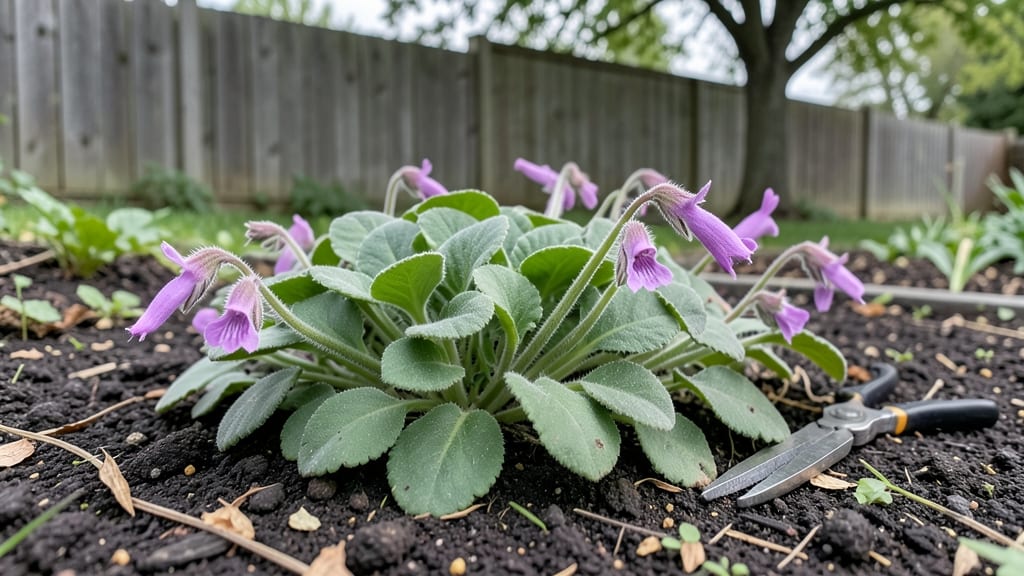
That purple weed that grows in grass—like henbit or purple deadnettle—isn’t just an eyesore; it’s stealing nutrients from your lawn. 🌱 I’ve battled these troublemakers in my own yard and will show you how to spot them before they take over. over.
The worst offenders—like henbit—love cool weather and spread like wildfire in early spring. Chickweed clings to grass blades while purple deadnettle forms dense mats. Without intervention, they’ll smother your lawn within weeks, leaving bare patches that invite moss or crabgrass.
With the right approach, you’ll reclaim your yard in three simple steps: pull, smother, or treat—each with minimal tools and zero guesswork. I’ll walk you through organic methods first (because they work) and when to bring out the heavy hitters.
The key is acting fast. Once these weeds go to seed, your lawn fights an uphill battle. But with this plan, you’ll stop them before they start—and keep your grass thick and green all season.
Root Causes Behind Purple Grass Invaders
That stubborn purple weed creeping into your lawn isn’t just an eyesore—it’s a sign your grass is sending out an SOS. Understanding the why behind its appearance is the first step to reclaiming your yard.
Below, we break down the science-backed reasons purple weeds take over grass, from soil secrets to seasonal triggers.
Purple weeds like henbit or chickweed thrive where grass struggles—often because of nutrient deficiencies or compacted soil. Here’s how it happens:
- Lack of nitrogen: Grass needs nitrogen to stay lush, but weeds like purple deadnettle (Lamium purpureum) can tolerate low-nitrogen soils. If your lawn looks pale or grows slowly, it’s a red flag.
- High soil pH (alkaline conditions): Purple weeds often dominate when soil pH exceeds 7.0. This locks out essential nutrients like iron and manganese, weakening grass roots while weeds adapt.
- Compacted or waterlogged soil: Heavy foot traffic or clay-heavy soil prevents oxygen from reaching grass roots. Weeds, with their shallow root systems, pop up where grass can’t.
Actionable fix: Test your soil (DIY kits cost ~$20) and amend with compost or sulfur to lower pH. Aerate compacted areas in fall for better root growth.
Purple weeds exploit seasonal weaknesses in grass. They germinate in cool, moist springs and fall, while warm-season grasses (like Bermuda) slow down or go dormant in winter. Here’s the breakdown:
| Season | Grass Behavior | Weed Advantage |
|---|---|---|
| Spring | Grass recovers slowly after winter dormancy. | Purple weeds like henbit germinate early, outcompeting slow starters. |
| Fall | Cool-season grasses grow rapidly; warm-season grasses decline. | Weeds like chickweed thrive in mild, damp conditions while grass struggles. |
| Summer Drought | Grass goes dormant to conserve water. | Drought-tolerant weeds (e.g., purple nutsedge) take over bare spots. |
Actionable fix: Overseed in early fall when weeds are less aggressive. Water deeply (1–1.5 inches per week) to crowd out weed seeds.
Weeds move in when grass can’t close the gaps. Common causes of thinning grass include:
- Over- or under-mowing: Cutting too short stresses grass, while tall grass shades out weeds—but if you skip mowing, weeds like clover (which can appear purple-tinged) fill the void.
- Pest or disease damage: Grubs, chinch bugs, or fungal infections (like brown patch) kill grass in patches, leaving open space for weeds.
- Improper watering: Shallow watering encourages weed seeds to germinate near the surface, while deep watering strengthens grass roots.
Actionable fix: Mow at 3–4 inches tall and water at the base of the plant (not just the surface). Treat pest/disease issues ASAP with targeted solutions (e.g., neem oil for grubs).
Some purple weeds are opportunistic hitchhikers that ride in on wind, water, or even your shoes. For example:
- Wind-dispersed seeds: Weeds like purple loosestrife (though more common in wetlands) or spotted knapweed spread via airborne seeds, landing in disturbed soil.
- Flooding or heavy rain: Water washes weed seeds into lawns, especially if your yard has slopes or poor drainage.
- Drought followed by rain: Dry spells kill grass, and the first hard rain triggers a weed germination explosion.
Actionable fix: Install rain gardens or swales to redirect water away from lawns. Rake up weed seeds before they spread (especially in spring and fall).
Eradicating Purple Grass Invaders
Now that you’ve identified the purple weed creeping into your lawn, it’s time to tackle it head-on! The good news? With the right approach, you can restore your grass’s lush green glory.
Below, we’ve mapped out practical, step-by-step solutions tailored to the most common causes of purple weed infestations—plus prevention tips to keep them from returning.
If your lawn stays soggy or gets drenched too often, purple weeds like henbit or chickweed thrive in damp conditions. Here’s how to dry them out:
- 🌧️ Adjust Your Watering Schedule Water deeply 2–3 times per week (early morning is best) instead of daily light sprinkles. Aim for 1 inch of water per week—including rainfall. Let the top 2–3 inches of soil dry between waterings to discourage weed seeds from germinating.
- 🏗️ Improve Soil Drainage If your yard is naturally low-lying or clay-heavy, amend the soil with compost or sand to boost aeration. For severe cases, consider installing French drains or grading the area to slope away from your home.
- ✂️ Mow Higher Keep your grass at 3–4 inches tall to shade out weeds and improve root depth, reducing water evaporation.
💡 Pro Tip: Test your soil’s drainage with a simple percolation test—dig a 12-inch hole, fill it with water, and time how long it takes to drain. If it’s slower than 4 hours, your soil may need help.
Purple weeds like clover or creeping charlie sneak in where grass is sparse or struggling. Rebuild your lawn’s resilience with these moves:
- 🌱 Overseed Bare Spots Rake out weeds by hand (or use a weed puller for stubborn clumps), then overseed with high-quality grass seed matched to your climate (e.g., tall fescue for cool regions, Bermuda grass for hot zones).
Top with a thin layer of compost and water lightly daily for 2 weeks.
- 💊 Apply Pre-Emergent Herbicide (Timing Is Key!) For new weed seeds, spread a pre-emergent herbicide like corn gluten meal in early spring or fall (before weeds sprout). Avoid post-emergent sprays if you plan to overseed soon—wait 4–6 weeks for safety.
- 🌿 Feed Your Grass Use a slow-release, weed-and-feed fertilizer (like one with trinexapac-ethyl) to crowd out weeds. For organic options, try milorganite or kelp meal. Apply in early spring and fall for best results.
🔥 Hot Tip: If weeds keep returning, your grass may be nutrient-deficient. Send a soil sample to your local Cooperative Extension Service for a free test—they’ll recommend the perfect fertilizer blend.
Some purple weeds (like purple deadnettle) love hot, sunny spots. Outsmart them with shade and competition:
- 🌳 Plant Shade-Tolerant Grass or Ground Covers If your lawn gets 6+ hours of direct sun, mix in fine fescue (shade-loving) or creeping thyme (drought-resistant) to crowd out weeds naturally.
- 🪴 Add Mulch or Straw Spread straw mulch (not hay—it contains weed seeds!) over bare patches to block sunlight and smother weeds. Replenish every 3–4 months.
- 💦 Install Drip Irrigation for Even Moisture Uneven watering creates weak grass spots where weeds take over. A drip system delivers water slowly and consistently, keeping your lawn thick.
🎯 Game-Changer: Try sheet mulching—lay down cardboard + compost + grass seed in weedy areas. This suffocates weeds while building rich soil for new grass.
For severe infestations, targeted herbicides can be a lifesaver. But use them strategically to avoid harming your grass:
| Weed Type | Best Herbicide Choice | Application Tips |
|---|---|---|
| Broadleaf Weeds (clover, chickweed) | 2,4-D or triclopyr (e.g., Ortho Weed B Gon) | Spray on calm, dry days; avoid windy conditions. |
| Grassy Weeds (nutgrass, crabgrass) | Pre-emergent: Pendimethalin (e.g., Scotts Halts Crabgrass) | Apply before weeds sprout (early spring). |
| Creeping Weeds (creeping charlie) | Dicamba-based herbicides (e.g., Dicamba + 2,4-D mix) | Spot-treat small patches to avoid drift. |
⚠️ Safety First:
- Never mix herbicides unless the label says to.
- Water your lawn first if using post-emergent sprays to prevent chemical burn.
- Wear gloves and a mask when handling concentrated formulas.
Once your lawn is weed-free, lock in those gains with these long-term strategies:
- 🌱 Mow Regularly (But Not Too Short!) Keep blades at 3–4 inches—taller grass out-competes weeds and develops deeper roots.
- 🔄 Aerate Annually Core aeration (removing small soil plugs) twice a year improves airflow, water absorption, and grass density.
- 🚫 Stay Vigilant with Weed Pulling Remove weeds by hand or with a dandelion digger as soon as they appear. Don’t let them go to seed!
- 🌿 Use Vinegar Spray for Spot Treatment (Organic Option) Mix 1 gallon white vinegar + 1 oz dish soap + 1 gallon water in a spray bottle. Target small weeds only—it won’t harm grass but may kill nearby plants.
Final Thought: Purple weeds in your grass don’t have to be a permanent problem. Combine manual removal, smart watering, and preventive care, and you’ll be well on your way to a lush, weed-free lawn in no time! 🌿✨
Frequently asked questions
What are the most common purple weeds that invade grass?
The purple weeds you’re likely seeing are probably henbit, purple deadnettle, or chickweed. Henbit has jagged leaves and purplish stems, while purple deadnettle forms dense mats with square stems. Chickweed has small oval leaves with a slight sheen. These weeds thrive in cool weather and spread rapidly in early spring.
Are purple weeds harmful to my lawn?
Purple weeds themselves aren’t toxic, but they compete aggressively with grass for water, nutrients, and sunlight. Over time, they weaken your lawn by creating thin patches where weeds like crabgrass or moss can take over. Left unchecked, they’ll smother your grass and create an unsightly, patchy lawn.
How do I tell if purple spots in my grass are weeds or just clover?
True purple weeds like henbit or purple deadnettle have purple stems and leaves, while clover (which can appear purple-tinged) has three leaflets per stem and a white or pink flower cluster. Weeds also tend to grow in dense patches, whereas clover spreads more evenly. Run your fingers through the spot—if it feels fuzzy or sticky, it’s likely chickweed.
Can I just pull purple weeds by hand, or will they keep coming back?
Pulling is effective for small patches, but if the weeds have already gone to seed, you’ll need to act fast. Remove the entire plant including roots and dispose of it in the trash (not compost). For large infestations, combine pulling with pre-emergent herbicide in early spring or fall to prevent new seeds from sprouting.
Will vinegar kill purple weeds without harming my grass?
Vinegar works as a spot treatment for small weeds, but it’s not selective—it can damage grass too. For best results, mix 1 gallon white vinegar + 1 oz dish soap + 1 gallon water and spray only the weeds on a calm day. For larger areas, use a corn gluten meal pre-emergent in fall to prevent weeds from sprouting without harming grass.