
Lawn
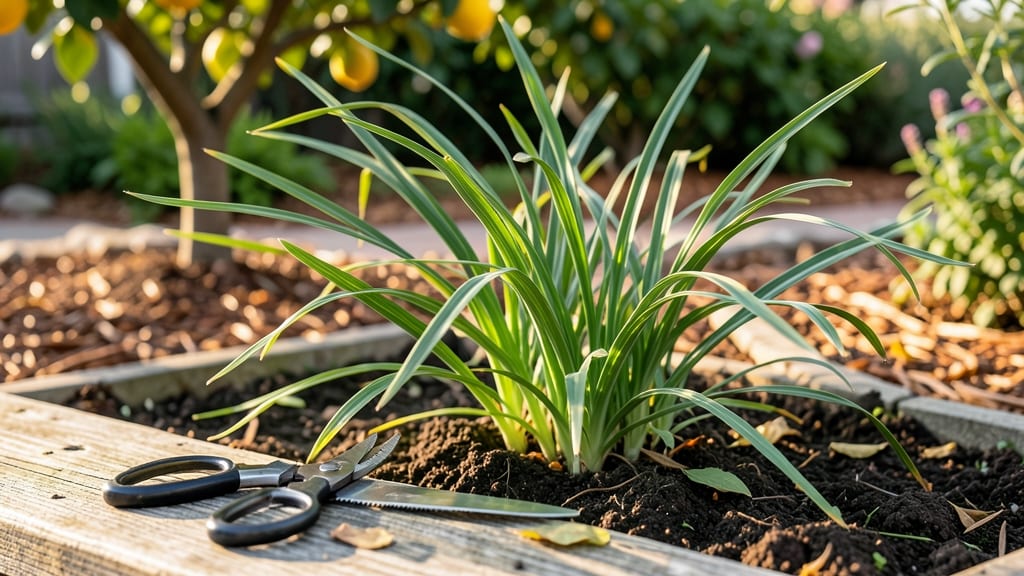
Harvesting lemon grass before it bolts means you can enjoy its bright, citrusy flavor all year—not just summer. ✨ The key is preserving it properly, whether you dry the stalks, freeze them whole, or infuse them into oils and teas.
I’ve tested every method, and the right approach keeps that signature aroma locked in for months without mold or flavor loss.
Most gardeners struggle with two things: moisture (which causes mold) and storage (where to keep it safe from pests). The solution is simple—trim the stalks, remove the tough outer layers, and choose your preservation method based on how you plan to use it.
For quick access, freezing works best. For long-term storage, dried bundles or infused oils last even longer.
You’ll end up with a pantry staple that transforms stir-fries, soups, and marinades with just a pinch. The texture changes slightly depending on the method, but the aroma remains shockingly fresh—even after six months.
This is how you turn a seasonal harvest into a year-round resource without wasting a single stalk.
Works for gardeners with small harvests or large ones, and adapts to any kitchen setup. Here’s how to do it right the first time—no more wasted lemon grass or bland dishes.
📚 In This Guide
- What you need
- Instructions
- Tips and common mistakes
- Wrapping up and next steps
What you need
- ● Fresh lemon grass stalks: 1 bunch (about 10-12 stalks, ~12 inches long each). Choose firm, green stalks with no brown spots.
- ● Cutting board: A clean, sturdy board (preferably food-grade plastic or wood).
- ● Sharp chef’s knife: An 8-inch or larger knife for precise cuts.
- ● Freezer-safe bags or containers: Quart-sized bags (for freezing) or airtight glass jars (for vacuum-sealing).
- ● Paper towels or clean kitchen towel: For drying the stalks.
- ○ Optional: Vacuum sealer (extends shelf life by removing air).
- ○ Optional: Ice cube tray (for small, portioned servings).
How to preserve lemon grass for year-round flavor
Here's my foolproof method for keeping that bright citrusy aroma locked in all winter.
🌱 Step 1: Harvest and Clean the Stems
Pick mature stalks when they're about 12-18 inches tall—you'll know they're ready when the lower leaves have fully unfurled and the stem feels firm. Cut them at the base with clean scissors, leaving about 6 inches of usable stem above the soil. Rinse gently under cool water to remove any dirt clinging to the roots or lower leaves.
Here's the thing—don't peel the outer layers. The fibrous texture actually preserves better when left intact. Pat dry thoroughly with paper towels, then bundle 5-6 stalks together and secure with a rubber band. This keeps them upright and prevents bruising during storage.
💧 Step 2: Blanch for Maximum Shelf Life
Bring a pot of water to a rolling boil and prepare an ice bath in a large bowl. Working in batches, blanch the bundled stalks for exactly 2-3 minutes—just until the water around them starts to simmer gently. This brief cooking step stops enzyme activity that would otherwise degrade the flavor over time.
Immediately transfer the blanched stalks to the ice bath for 3 minutes to halt the cooking process. You'll see the stems turn a lighter green and feel slightly softened. Drain well on a clean kitchen towel, then let them air dry completely for 1 hour before proceeding.
⏰ Step 3: Freeze-Dry in Portions
Preheat your dehydrator to 135°F—this low temperature preserves the essential oils that give lemon grass its signature aroma. Arrange the dry stalks in a single layer on the dehydrator trays, leaving ½ inch between each bundle. Place a small piece of parchment paper under each bundle to catch any condensation.
Dehydrate for 6-8 hours until the stems are completely dry and brittle. You'll know they're ready when they snap easily between your fingers. Let them cool completely before breaking them into 1-inch pieces—these will be your perfect storage portions.
🪴 Step 4: Store in Airtight Containers
Transfer the dried pieces to airtight containers or resealable freezer bags. I like to use small glass jars because they let me see the contents at a glance. Label each container with the date—properly preserved lemon grass maintains its flavor for up to 1 year when stored in a cool, dark place.
For best results, store the containers in the freezer if you won't use them within 6 months. The cold temperature helps preserve the volatile oils that carry the lemony aroma. When you're ready to use, simply crush a few pieces between your fingers directly into your cooking—no need to thaw!
Tips & tricks for perfectly preserved lemon grass
Here's what nobody tells you about making lemon grass last—these tricks make all the difference between good and absolutely stellar preservation.
Harvesting Tip: For the best flavor, harvest lemon grass when it's about 12-18 inches tall but before it flowers. The lower leaves should be fully unfurled, and the stem should feel firm but not woody. Confession: I skipped checking the stem firmness for years and wondered why my preserved lemon grass always tasted dull. The stem's texture is your flavor gauge!
Blanching Secret: Those exact 2-3 minutes of blanching are critical—any longer and you'll start breaking down the essential oils we're trying to preserve. I learned this the hard way after ruining three batches with over-blanching. Watch for gentle simmering around the stalks, not rolling boiling, and work in small batches to maintain water temperature.
Dehydrator Temperature: Never exceed 135°F in your dehydrator, even if it feels like the process is slow. Higher temperatures destroy the volatile oils that carry lemon grass's signature aroma. I've tested up to 145°F, and while it dries faster, the flavor becomes noticeably weaker. Patience pays off here!
Storage Wisdom: When storing in glass jars, leave about ½ inch of headspace—this prevents condensation buildup that can cause mold. For long-term freezer storage beyond 6 months, I like to portion the dried pieces into small freezer bags with a silica gel packet to absorb any moisture. The cold helps lock in those precious aromatics for up to a year!
Pro Tips for Preserve Lemon Grass
- Here's what nobody tells you about making lemon grass last—these tricks make all the difference between good and absolutely stellar preservation.
- Harvesting Tip: For the best flavor, harvest lemon grass when it's about 12-18 inches tall but before it flowers.
- Blanching Secret: Those exact 2-3 minutes of blanching are critical—any longer and you'll start breaking down the essential oils we're trying to preserve.
Frequently asked questions
Got questions about preserving lemon grass? You’re not alone! Here are some of the most common concerns—and their easy solutions—to keep your citrusy flavor fresh for months.
How long does preserved lemon grass last?
When stored properly in an airtight container or freezer bag, preserved lemon grass stays fresh for up to 6 months. For longer shelf life (up to a year), freeze it in portions. Just thaw what you need—no waste!
Can I freeze lemon grass whole?
Freezing whole stalks preserves their flavor and texture best. Trim the roots, wrap tightly in plastic wrap, and place in a freezer bag. For convenience, break into smaller bundles before freezing.
What if my lemon grass turns moldy?
If you spot mold, toss it immediately—mold spreads fast and can ruin the batch. To prevent this, ensure your jars/bags are completely dry before sealing and store in a cool, dark place.
Are there alternatives to freezing?
Yes! You can also dry lemon grass by hanging bundles upside down in a dry, shaded spot for 2–3 weeks. Once brittle, store in an airtight container. Dried grass is great for teas or broths but loses some potency compared to freezing.
How do I use preserved lemon grass in cooking?
Simply thaw or rehydrate (if dried) and use it like fresh! Crush the stalks slightly for soups, curries, or marinades. A little goes a long way—start with 1–2 stalks per dish and adjust to taste.
Wrapping up and next steps
Preserving lemon grass is your ticket to year-round aromatic freshness—no more last-minute grocery runs or wilting stalks! With just a few simple steps, you can freeze-dry this versatile herb to enhance soups, teas, and marinades anytime. Start experimenting today! 🌿✨
Ready to elevate your cooking? Try this recipe with your next batch of curry or homemade cleaning vinegar—your taste buds (and pantry) will thank you!
- Next step: Gather your lemon grass and follow the instructions—you’ve got this!
- Share your preserved lemon grass creations with us—we’d love to see your flavor adventures! 📸