
Lawn
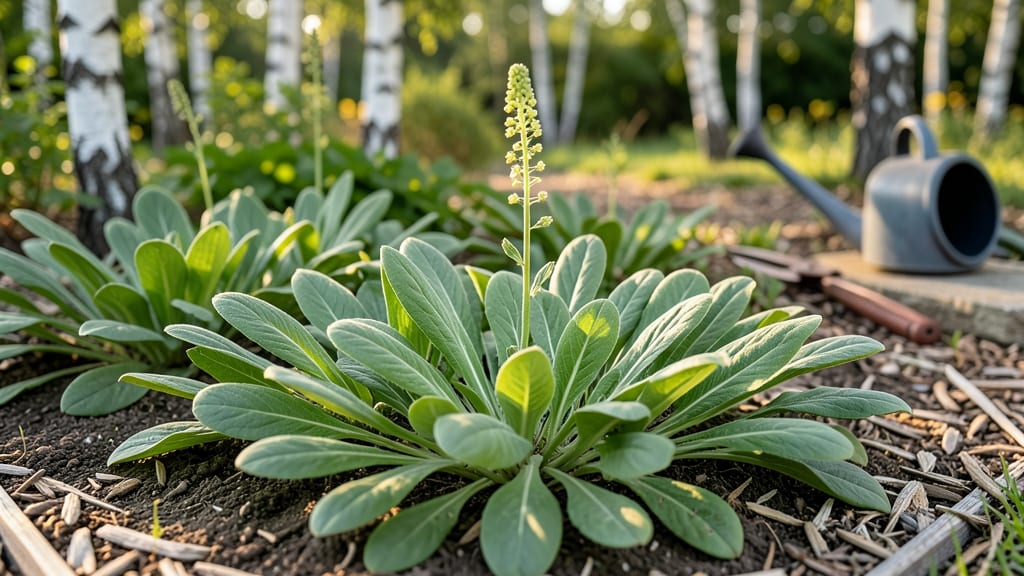
Plantain grass weed turns your lawn into a battleground of tough, broad leaves that outcompete grass—unless you stop it before it starts. 🌱 I’ve spent years wrestling with this stubborn invader, and the key isn’t just pulling what’s already there, but blocking what’s coming next with a pre-emergent barrier.
The problem? Plantain thrives in compacted soil and spreads aggressively from underground runners. Most people tackle it too late, wasting time on spot treatments when a simple pre-emergent barrier in early spring could’ve saved them months of frustration. The right timing and method make all the difference.
By applying a targeted pre-emergent in late winter or early spring, you’ll see new shoots slow to a crawl within weeks. Combine it with a quick pull of established clumps, and your lawn will finally reclaim its space—without chemicals if you prefer natural options like corn gluten meal.
Works for lawns, garden edges, and even between patio stones. The secret? Consistency. Once you’ve got the regrowth under control, maintenance shifts from battling weeds to enjoying a lush, weed-free space all season.
Why it happens
Plantain and other stubborn grassy weeds don’t just pop up by accident—they thrive because of specific conditions in your lawn. Understanding these triggers helps you disrupt their lifecycle before they become a full-blown problem. Here’s why these weeds keep coming back, and how they exploit your turf’s weaknesses.
🌱 Poor Soil Compaction & Root Strangulation
Compacted soil is a weed’s dream. When foot traffic, heavy equipment, or clay-heavy soil squeeze the roots of your grass, they struggle to spread and absorb nutrients. This creates bare spots where plantago major (broadleaf plantain) and other weeds rush in.
Their shallow, fibrous roots can penetrate even slightly loosened soil, while your lawn grass chokes.
- Why it happens: Soil compaction reduces oxygen flow, suffocating desirable grass roots while leaving gaps for weed seeds to germinate.
- Actionable fix: Aerate your lawn in spring or fall to relieve pressure. Use a core aerator (not just spike tools) to pull out soil plugs and improve drainage.
☀️ Overlooked Sunlight & Thinning Canopy
Weeds like plantain grass thrive in partial shade because they’re shade-tolerant, while many lawn grasses (like Kentucky bluegrass or fescue) need full sun to photosynthesize efficiently. If your turf thins—due to drought, disease, or poor mowing—weeds fill the gaps like a vacuum.
- Why it happens: Shade from trees or overgrown grass reduces grass growth, creating ideal conditions for weeds with lower light requirements.
- Actionable fix: Mow high (3–4 inches) to encourage grass density. Thin trees or prune branches to let sunlight reach the soil. Overseed bare patches in early fall.
💧 Irrigation Imbalances & Moisture Love
Plantain grass and similar weeds often dominate because they’re thrill-seekers—they love consistent moisture. Overwatering or irregular watering (like deep but infrequent soakings) creates the perfect storm: damp soil for seeds to germinate and weak grass that can’t compete.
| Watering Mistake | Weed Response | Grass Response |
|---|---|---|
| Overwatering (daily light sprinkles) | ✅ Weeds germinate rapidly; shallow roots thrive. | ❌ Grass roots suffocate; fungal diseases spread. |
| Underwatering (drought stress) | ✅ Weeds survive longer due to drought tolerance. | ❌ Grass turns brown; soil cracks invite seeds. |
| Inconsistent watering (hit-or-miss) | ✅ Weeds exploit uneven moisture patches. | ❌ Grass grows in clumps, leaving gaps. |
Actionable fix: Water deeply 1–2 times per week (early morning) to encourage deep grass roots. Use a rain gauge or smart sprinkler timer to avoid overwatering.
🌿 Delayed Pre-Emergent Application
Pre-emergent herbicides are your first line of defense against weeds like plantain, but timing is critical. If applied after weed seeds germinate, it’s too late—they’ve already sprouted. Conversely, applying it too early (before soil temps hit 55°F) wastes product and leaves your lawn vulnerable.
- Why it happens: Most weed seeds (including plantain) germinate in spring when soil warms. Missing this window means weeds get a head start.
- Actionable fix: Test soil temperature with a probe (or use local guidelines). Apply pre-emergent 2–4 weeks before your area’s average last frost date. Reapply in late summer for fall germinators.
🔄 Neglected Lawn Maintenance
Weeds exploit laziness. Skipping tasks like dethatching, fertilizing, or mowing at the right height creates the perfect ecosystem for invaders. Plantain grass, for example, spreads via stolons (horizontal runners) and seeds—both of which thrive when your lawn is neglected.
- Why it happens:
- Thatch buildup blocks water/nutrients, weakening grass.
- Low nitrogen = pale, sparse grass = more sunlight for weeds.
- Mowing too short stresses grass, inviting weeds.
- Actionable fix:
- Dethatch in early spring if layer exceeds ½ inch.
- Fertilize in early fall with slow-release nitrogen.
- Mow at 3–4 inches and never remove more than ⅓ of blade height.
Simple Ways to Stop Weeds Regrowing
Now that you understand why persistent weeds like plantain grass take over your lawn, it’s time to tackle them effectively—and keep them from coming back. The good news? With the right approach, you can reclaim your yard without breaking the bank or your back.
Below are practical, step-by-step solutions tailored to the root causes of regrowth, plus prevention tips to lock in long-term success.
Best for: Small patches or newly sprouted weeds (before they spread seeds).
If you catch plantain grass or similar weeds early, manual removal is the fastest and most eco-friendly fix. Here’s how to do it right:
- 🌱 Wait for the right time Pull weeds on a damp day (after rain or watering) when the soil is soft—this makes roots easier to extract. Avoid pulling when the ground is dry or frozen.
- 👩🌾 Grab the whole plant Use a weed puller, fork, or gloved hands to grasp the weed at the base. Tug firmly to remove the entire root system (even a tiny fragment can regrow!). For stubborn roots, wiggle the tool side-to-side to loosen them.
- 🗑️ Dispose of weeds properly Don’t compost them—bag and trash the weeds immediately to prevent seeds from spreading. If composting is a must, let the weeds dry in the sun for 3–5 days first to kill any remaining seeds.
- 💡 Pro tip: For thick weeds, soak the area with vinegar (20% acetic acid) or a homemade spray (1 gallon water + 1 cup white vinegar + 1 tbsp dish soap) 10 minutes before pulling. This softens the plant for easier removal.
Best for: Large lawns or high-weed-pressure areas (prevents new weeds from sprouting).
Pre-emergent herbicides are your secret weapon against regrowth. Here’s how to use them without harming your grass:
- ⏰ Time it right Apply early spring (before weeds germinate) or late summer/early fall (for fall weeds like crabgrass). Check the herbicide label for your region’s ideal timing—missed windows mean missed protection!
- 🌱 Choose the right product Look for pre-emergent herbicides labeled for lawns (e.g., pendimethalin, prodiamine, or dithiopyr). Avoid "weed-and-feed" combos if you’re seeding your lawn soon—they can inhibit grass growth.
- 👨🍳 Apply evenly
- Mow the lawn short (1–1.5 inches) before application.
- Use a spreader (broadcast or drop) for even coverage. Follow label rates—more isn’t better (it can harm grass).
- Water lightly after application to help it activate (but don’t overwater).
- 🌡️ Monitor for 4–6 weeks Pre-emergents don’t kill existing weeds—they stop new ones from germinating. Reapply as needed (usually every 3–4 months).
- ✨ Pro tip: Combine pre-emergent with post-emergent herbicides (like 2,4-D or triclopyr) for existing weeds. Spray post-emergent first, then pre-emergent 2–3 weeks later for a double barrier.
Best for: Deep-rooted or widespread weeds already in your lawn.
If pulling isn’t enough, selective herbicides can finish the job. Here’s how to use them safely:
- 🎯 Identify the weed Plantain grass responds well to glyphosate (Roundup) or triclopyr (Ortho Weed B Gon). For organic options, try corn gluten meal (pre-emergent) or boiling water (for small patches).
- ☀️ Choose the right conditions
- Spray on a calm, sunny day (wind can drift herbicide to nearby plants).
- Avoid spraying if rain is forecast within 24 hours (it washes away the herbicide).
- 💦 Apply carefully
- Spot-treat weeds with a hose-end sprayer or pump sprayer for precision.
- For glyphosate, cover the entire leaf surface (including stems) for best results.
- Reapply in 7–10 days if weeds are large or thick.
- 🌱 Follow up with prevention After weeds die, reseeds bare spots with grass seed or mulch with straw to block sunlight (weeds need light to grow!).
- 🔥 Pro tip: For organic control, mix 1 gallon of vinegar + 1 oz dish soap + 1 cup salt in a spray bottle. Apply directly to weeds on a sunny day—reapply every 2–3 days until they brown.
The best defense is a healthy, dense lawn that crowds out weeds. Here’s how to keep plantain grass and others at bay:
| Prevention Step | How to Do It | When to Do It |
|---|---|---|
| 🌱 Overseed thin areas | Spread high-quality grass seed and top-dress with compost. | Early fall or spring |
| 💧 Water deeply & less often | Water 1–1.5 inches per week (encourages deep roots that outcompete weeds). | Early morning (avoid evenings) |
| 🪒 Mow high | Set mower to 3–4 inches (taller grass shades soil, blocking weed seeds). | Every 1–2 weeks |
| 🍂 Remove thatch | Dethatch if layer is >0.5 inches (weeds thrive in thick thatch). | Early spring or fall |
| 🌿 Use mulch | Apply 2–3 inches of mulch around garden beds to suppress weeds. | After planting or spring cleanup |
| 🔄 Rotate herbicides | Alternate between pre- and post-emergent treatments to prevent resistance. | As needed (follow label) |
For high-traffic areas or problematic spots, consider:
- Landscape fabric under mulch (but leave edges exposed to prevent smothering).
- Corn gluten meal (natural pre-emergent—apply in early spring).
- Hand-pulling + solarization (cover weeds with clear plastic in summer to bake them).
Final Reminder: Consistency is key! Weeds don’t give up easily, but with early action + prevention, you’ll see results in 4–6 weeks. Start with one method, track progress, and adjust as needed. Your lawn will thank you! 🌿
Frequently asked questions about plantain grass weed control
What’s the difference between plantain grass and broadleaf plantain?
They’re often confused, but they’re different plants! Plantain grass (like Phalaris minor) is a grassy weed with narrow leaves, while broadleaf plantain (Plantago major) has wide, ribbed leaves. Both spread aggressively, but plantain grass responds better to pre-emergent herbicides while broadleaf plantain needs selective spot treatments like 2,4-D.
Can I use vinegar to kill plantain grass without harming my lawn?
Vinegar works for spot treatments, but it’s not lawn-safe! Use 20% acetic acid vinegar (household vinegar is too weak) mixed with dish soap, but apply it only to weeds—it’ll kill grass too. For lawns, opt for selective herbicides or manual removal instead. Always test a small area first!
How long does it take for pre-emergent to work on plantain grass?
Pre-emergent stops new weeds from sprouting within 2–4 weeks of application, but it won’t kill existing plantain grass. For established weeds, combine it with a post-emergent herbicide (like triclopyr) first, then apply pre-emergent 2–3 weeks later for a double barrier.
Will aerating my lawn help prevent plantain grass regrowth?
Aeration breaks up compacted soil, giving your grass better access to nutrients and water while making it harder for plantain grass to take root. Do it in spring or fall, then overseed with dense grass varieties like fescue or ryegrass to crowd out weeds naturally. Follow up with a light layer of compost for extra protection.
Is plantain grass harmful to pets or children?
No, it’s not toxic, but some herbicides used to treat it can be. If you’re using glyphosate or 2,4-D, keep pets and kids off the lawn until the product dries (usually 24–48 hours). For organic control, corn gluten meal or manual removal are safe alternatives that won’t pose risks.