
Lawn
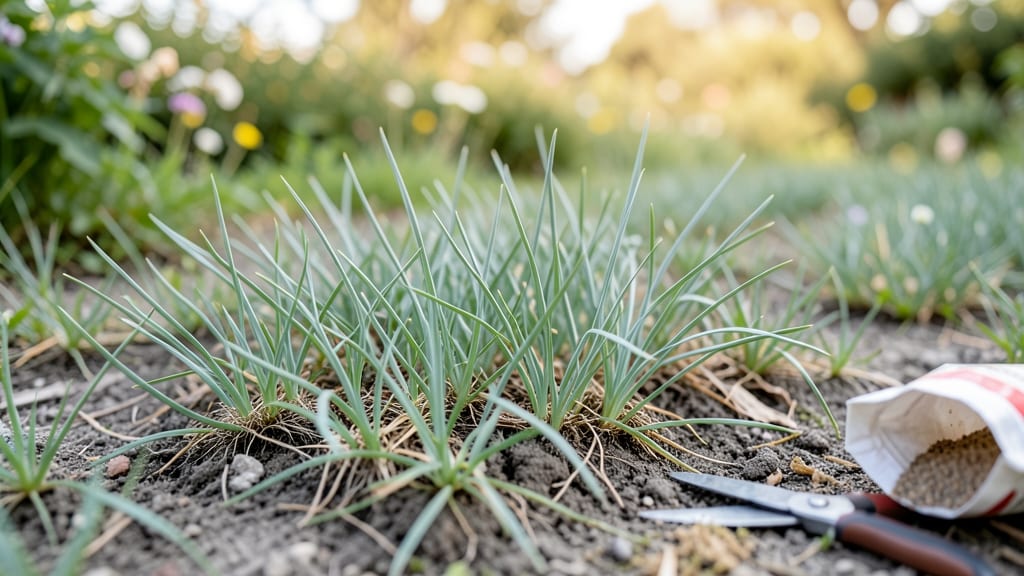
When your new grass appears patchy, check for uneven seeding, compacted soil, inconsistent watering, or insufficient sunlight. Address it by reseeding thin areas, improving soil drainage, watering deeply 2-3 times weekly, and ensuring 6-8 hours of daily sun. Aerate compacted soil and adjust your fertilization schedule for even growth.
Patchy new grass isn't just an eyesore—it's often a sign your lawn's foundation needs attention. 🌱 The most common culprits are soil issues (like compaction or poor nutrients) or watering habits that create dry spots. I've seen homeowners overlook sunlight exposure, which can stunt growth even with perfect seeding.
The good news? Most patchiness is reversible with targeted fixes—start by testing your soil's pH and drainage, then adjust your care routine accordingly.
For example, if you're dealing with bare spots, overseeding in early fall gives seeds the ideal conditions to germinate. Meanwhile, watering deeply in the morning prevents fungal growth that thrives in damp evening grass.
Remember: grass types vary by climate—cool-season grasses need more shade tolerance, while warm-season varieties crave full sun.
💡 In This Article
- Common Causes of Patchy New Grass Growth
- Step-by-Step Guide to Reviving Patchy Lawn Areas
Common causes of patchy new grass growth
Soil compaction is one of the sneakiest culprits behind patchy grass growth. When foot traffic, heavy equipment, or even natural settling compresses the soil, it creates tiny airless pockets that suffocate grass roots.
Think of it like trying to grow plants in a tightly packed shoebox—roots can't spread properly to access water and nutrients. Compacted soil also reduces water infiltration, leading to surface runoff that leaves dry patches.
A simple test: Stick a screwdriver into the ground—if it struggles after 3-4 inches, your soil is compacted.
Fungal diseases like brown patch thrive in damp, warm conditions, creating irregular brown circles that spread rapidly.
These pathogens feed on grass blades, leaving behind a spongy, discolored texture that feels unnaturally soft. 🌱 What most people miss is how herbicide residue from previous lawn treatments can also stunt new growth.
Even if applied months earlier, certain chemicals linger in the soil, creating invisible barriers that prevent seeds from germinating. Always check your lawn's history—if you notice patches where old weeds were, herbicide damage might be the issue.
Pest interference often goes unnoticed until it's too late. Grubs, for example, feed on grass roots from below, causing the turf to pull up easily like a carpet. Chinch bugs, on the other hand, target the blades themselves, leaving behind straw-like stubble.
The key difference? Grub damage shows up as larger, sunken patches, while chinch bugs create irregular, scattered die-off. Both pests thrive in dry, hot conditions—so if your grass looks patchy after a heatwave, check for these tiny invaders.
Seed quality plays a surprisingly big role too. Cheap seed mixes often contain fillers like ryegrass or annual bluegrass, which germinate quickly but struggle to establish long-term roots. High-quality seed blends, however, include perennial ryegrass or tall fescue that develop deeper root systems.
The difference? One gives you temporary green, while the other builds a resilient lawn. Always look for seed with a 90%+ germination rate to avoid starting with weak growth.
Sunlight exposure is another hidden factor. Most grass types need 6-8 hours of direct sun daily to photosynthesize properly. Shady spots from trees or buildings create natural growth barriers where grass either thins out or turns yellow.
Even partial shade can reduce chlorophyll production by 30-50%, stunting root development. If your lawn has uneven sun exposure, consider shade-tolerant varieties like fine fescue for problem areas.
Finally, watering inconsistencies create the most visible patches. Overwatering suffocates roots by depriving them of oxygen, while underwatering causes seeds to dry out before germinating. The ideal is 1-1.5 inches of water weekly, delivered in deep sessions rather than light sprinkles.
A simple test: Dig up a small patch—if the soil feels damp 2-3 inches down, you're watering correctly. If it's bone dry, you're leaving roots thirsty.