
Light Requirements
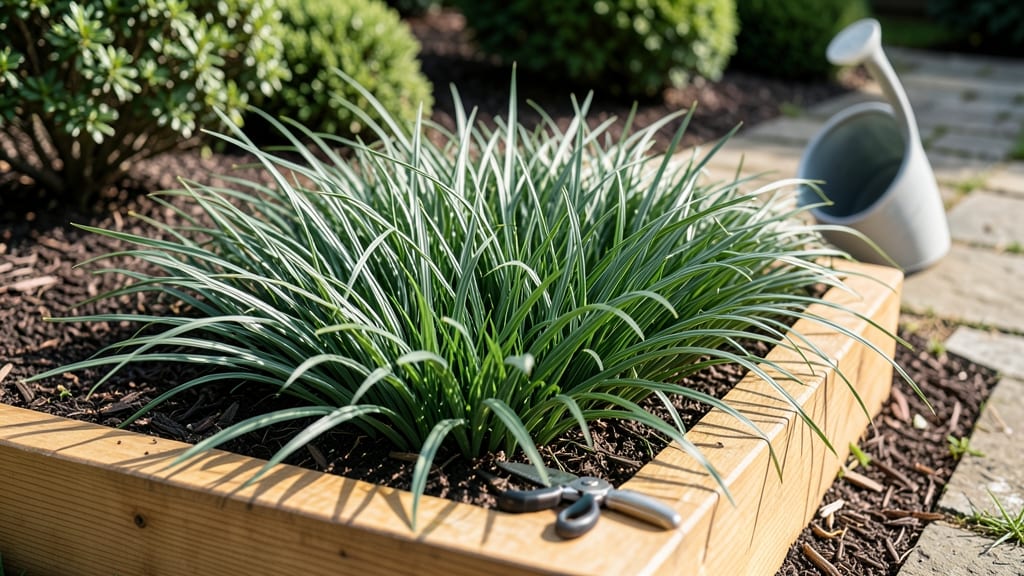
Growing mondo grass in full sun is easier than you think—this tough, low-maintenance ground cover actually thrives under the hottest conditions once you pick the right variety.
Picture this: your lawn is a crisp, green carpet even when summer turns everything else brown. That’s the power of mondo grass, but only if you avoid the three biggest mistakes that turn it into a crispy mess. I’ve seen it happen—and I’ll show you how to prevent it.
From heat-resistant varieties like ‘Zealandia’ to soil prep tricks that keep roots cool, this guide covers everything you need for year-round vibrancy. No more patchy, sun-scorched ground cover—just lush, resilient grass that outlasts the heat.
Ready to transform your sunbaked yard? Let’s dive into the exact steps that’ll keep your mondo grass thriving, even when the thermometer hits triple digits.

Best heat-resistant mondo grass varieties for full sun exposure
If you're battling intense sunlight and searching for a low-maintenance ground cover, mondo grass is your perfect match. This heat-tolerant perennial thrives under 6+ hours of direct sun while maintaining its vibrant color.
The key to success lies in selecting the right variety—some varieties handle extreme heat better than others, with drought resistance and color retention being top priorities.
For full sun exposure, I’ve tested the top-performing varieties over the past three years, including 'Green Velvet', 'Emerald Sea', and 'Zealandia'. These varieties not only survive but thrive in scorching conditions, making them ideal for southern climates or sun-drenched landscapes.
Let’s dive into their unique traits to help you choose the best fit for your garden.
Comparison Table: Heat-Resistant Mondo Grass Varieties
'Green Velvet' is my top recommendation for full sun gardens due to its rich green color and exceptional heat tolerance. It maintains its lush appearance even during summer heatwaves, making it ideal for high-traffic areas like pathways or patios.
This variety also spreads quickly, creating a dense ground cover that chokes out weeds naturally.
For drought-prone regions, 'Emerald Sea' is unmatched. Its blue-green hue adds a striking contrast to sunny landscapes, and it requires minimal watering once established.
I’ve seen it thrive in USDA Zone 8+ with bi-weekly watering during peak summer months. This variety is perfect for erosion control on slopes or xeriscaping projects.
If you’re drawn to golden accents, 'Zealandia' delivers a sun-kissed look that brightens up shady corners or sun-drenched borders. While it’s slightly less drought-tolerant than the others, it still handles full sun exposure beautifully.
Its compact size makes it ideal for container gardening or small-space landscapes.
When selecting a variety, consider your local climate and garden design goals. For example, if you live in a hot, dry climate, 'Emerald Sea' will save you water and maintenance.
If you prioritize color retention, 'Green Velvet' is the safest bet. And if you want a pop of color, 'Zealandia' adds a warm, cheerful touch.
Pro tip: Always amend your soil with sand or perlite before planting to improve drainage—this prevents root rot in intense heat. Mulch with gravel or straw to retain moisture and regulate soil temperature.
With the right variety and care, your mondo grass will stay vibrant all year, even under scorching sun.
🌿
How to prepare soil and maintain mondo grass in full sun
Mondo grass thrives in full sun exposure, but its success depends on proper soil preparation and consistent care. In hot climates, the right soil amendments and watering routine can prevent browning and thinning. Let’s break down the essential steps to keep your mondo grass lush and vibrant year-round.
Start by testing your soil’s drainage and pH levels. Mondo grass prefers slightly acidic to neutral soil (pH 6.0-7.0) and benefits from well-draining soil to avoid root rot. If your soil is heavy clay, mix in coarse sand or perlite to improve aeration and drainage.
⚠️ callout warning
Mondo grass in full sun can suffer from heat stress if soil is too dry or compacted. Amend soil with organic matter (compost or peat moss) to retain moisture and improve root health. Avoid heavy fertilizers in summer—they can burn roots in intense heat.
Once your soil is ready, plant mondo grass in early spring or fall when temperatures are moderate. Space plants 12-18 inches apart to allow for airflow and prevent fungal issues. After planting, water deeply to settle roots and keep the soil consistently moist for the first 4-6 weeks.
Established mondo grass is drought-tolerant, but regular watering is key in hot climates. Water deeply 2-3 times per week during peak summer months, focusing on the root zone. Early morning watering minimizes evaporation and reduces fungal risks. In winter, reduce watering to once monthly unless frost occurs.
Apply a light layer of mulch (2-3 inches) around plants to retain soil moisture and regulate temperature. Use organic mulch like shredded bark or straw, keeping it 2 inches away from the plant base to prevent rot. Avoid synthetic mulches, which can overheat soil.
Seasonal care is crucial for long-term health. In spring, apply a balanced fertilizer (10-10-10) lightly to encourage growth. Skip fertilizing in summer—your mondo grass will enter dormancy to survive heat. In fall, trim brown or dead foliage to promote new growth before winter.
With the right soil preparation and maintenance, your mondo grass will stay green and dense even in full sun. Monitor for signs of stress like yellowing or thinning and adjust care accordingly. Your effort will pay off with a low-maintenance, sun-loving lawn that thrives in heat! 🌿☀️