
Planting
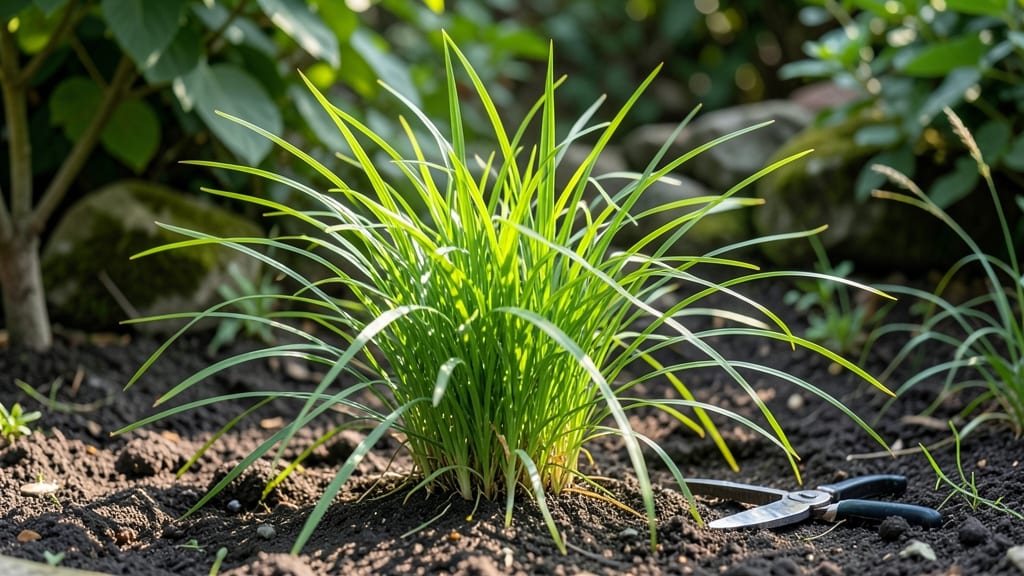
Growing lemongrass in Zone 6 requires selecting cold-hardy varieties like 'West Indian' or 'Cymbopogon citratus' and using containers for mobility, mulching heavily, and providing winter protection with frost cloth or row covers. Harvest before hard freezes to preserve viability for regrowth.
Zone 6's chilly winters can challenge tropical plants like lemongrass, but the right approach makes it possible. 🌱 The key lies in choosing varieties bred for cooler climates and giving them temporary shelter when temperatures drop.
Unlike tropical lemongrass that dies back in freezing temps, these hardier types can survive light frosts with proper insulation. I've found that moving potted plants to sheltered spots or wrapping them in thick burlap adds an extra layer of protection when cold snaps hit unexpectedly.
Another critical factor is timing—harvesting stems before the first hard freeze gives you usable material while allowing the plant's base to survive for next season. The thick mulch layer around the roots acts like a blanket, preventing ground freeze from penetrating.
For container growers, this method also makes it easy to relocate plants to warmer microclimates during extreme cold snaps.
💡 In This Article
- Cold-Hardy Lemongrass Varieties for Zone 6 Gardens
- Zone 6 Winter Survival Strategies for Lemongrass
Cold-hardy lemongrass varieties for Zone 6 gardens
The 'West Indian' lemongrass variety stands out in Zone 6 because its genetic makeup includes natural cold tolerance, allowing it to withstand temperatures down to 20°F with proper protection. This variety's thicker stems and broader leaves create a more robust structure that resists frost damage better than tropical types.
The key difference lies in its growth pattern—it develops a stronger basal system that stores energy for regrowth after winter dormancy.
'Cymbopogon citratus' (common lemongrass) is the most widely available variety, but its cold hardiness tops out around 30°F without protection. For Zone 6, you'll need to supplement its natural resilience with additional care.
Another option is 'Siam lemongrass', which handles cooler temps slightly better due to its slightly higher oil content in the leaves—this oil acts as a natural antifreeze, protecting cell membranes during cold snaps. 🌿 The oil content also gives these varieties a more intense citrus aroma, which is why they're preferred in culinary applications.
When selecting varieties, pay attention to the plant's maturity at planting time. Mature plants (with established root systems) handle winter better than young seedlings. I've found that planting 12-18 inch tall stalks in late spring gives them enough time to develop strong roots before the first frost.
The root system's depth matters too—deeper roots (3-4 inches) access warmer soil layers during cold periods, providing insulation from freezing ground temperatures.
Light exposure plays a crucial role in cold hardiness. Varieties like 'West Indian' thrive in full sun (6-8 hours daily) but develop stronger stems when grown in partial shade during summer's peak heat.
This adaptation helps them channel energy toward root development rather than leaf expansion, making them more resilient when winter arrives. The trade-off is slightly less vigorous growth during the growing season, but the winter survival benefits far outweigh this compromise.
For visual identification, cold-hardy varieties typically have:
- Thicker stems: At least 1/2 inch diameter at the base
- Darker green leaves: Richer hue indicating higher chlorophyll content
- More pronounced ridges: Along the stems for better moisture retention
The science behind cold tolerance involves specialized proteins called antifreeze proteins that prevent ice crystal formation in plant cells. Cold-hardy varieties produce more of these proteins naturally, which is why they can survive brief exposures to 20°F temperatures.
This biological adaptation explains why proper variety selection is your first line of defense against Zone 6 winters. 🌱