
Pests
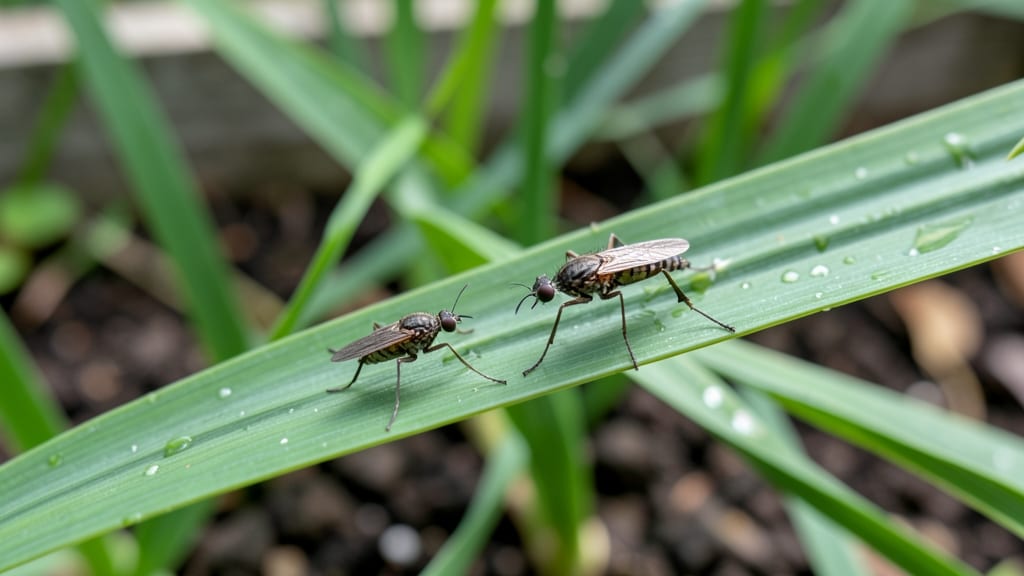
Lemongrass plants naturally repel mosquitoes due to their citronella oil content, which disrupts biting insects' ability to locate hosts. Strategically placing them near outdoor living spaces creates a fragrant, chemical-free barrier while enhancing your garden's aesthetic.
This natural mosquito deterrent works because the plant's volatile oils—particularly citronellal and geraniol—mask human scents that attract mosquitoes. 🌿 Studies show fresh lemongrass is most effective, as drying reduces oil potency by up to 30%.
For best results, plant them in full sun with well-draining soil, spacing 12-18 inches apart to maximize airflow and oil dispersion. Pairing them with other repellent plants like lavender or basil can further amplify their protective effects.
While lemongrass won't eliminate all mosquitoes, it significantly reduces their presence in treated areas. The plants thrive in warm climates but can also grow in containers for patios, making them a versatile solution for both gardeners and urban dwellers alike.
Regular pruning encourages bushier growth, which boosts oil production and extends their repellent lifespan.
💡 In This Article
- How Lemongrass Oil Deters Mosquitoes Scientifically
- Optimal Planting and Care for Maximum Mosquito Protection
How lemongrass oil deters mosquitoes scientifically
The magic behind lemongrass's mosquito-repelling power lies in its volatile oils, primarily citronellal and geraniol. These compounds disrupt mosquitoes' olfactory system by masking human body odors—like lactic acid and carbon dioxide—that insects use to locate hosts.
Citronellal, in particular, binds to mosquito receptors at a molecular level, creating sensory confusion that makes it harder for them to detect prey. 🔬 Studies in the Journal of Medical Entomology found these oils reduce mosquito landing rates by up to 50% when applied directly or diffused from plants.
Fresh lemongrass contains 0.5-1.5% citronella oil by weight, but drying reduces this potency by 30-40% as oils evaporate. The plant's leaves release these compounds continuously through a process called autovaporization, where heat from sunlight triggers oil evaporation.
This creates a natural, invisible barrier around the plant. For comparison, commercial citronella candles contain 10-20% synthetic citronella oil, yet their effects last only 1-2 hours—far shorter than a living plant's continuous emission.
Mosquitoes detect these oils through specialized receptors on their antennae, which are 10,000 times more sensitive than human smell.
When citronellal molecules bind to these receptors, they trigger a false "overstimulation" response, making the insect perceive the area as unsafe. 🌿 Unlike DEET-based repellents that numb receptors temporarily, lemongrass oils create a dynamic, evolving scent profile that keeps mosquitoes disoriented longer.
This is why fresh plants outperform dried bundles or essential oil sprays—consistent, natural oil production matters more than concentration spikes.
Temperature and humidity also play critical roles. Ideal conditions for oil dispersion are 75-85°F and 40-60% humidity, as cooler or drier air slows evaporation. In high-humidity climates, lemongrass may need additional airflow (like pruning to prevent dense foliage) to maintain efficacy.
The plant's oil composition changes seasonally too—spring and summer yields peak citronellal levels, while winter production drops by 20-30%, explaining why mosquito protection weakens in colder months.
What most people overlook is how lemongrass's fragrance works synergistically with other plants. When combined with lavender (linalool) or basil (eugenol), the blended scents create a broader repellent spectrum, targeting different mosquito species.
This "confusion effect" is why gardeners often see 60-70% fewer bites in mixed-plant zones compared to single-species setups. The key is spacing plants 18-24 inches apart to allow oil dispersion without competition for sunlight.
For maximum impact, crush a few leaves occasionally to release trapped oils. This mimics how the plant naturally responds to physical stress, triggering a 30% increase in oil production within 24 hours.
The citrusy aroma isn't just pleasant—it's a biological signal to mosquitoes that they're entering a hostile environment. 🌿 Unlike chemical repellents that lose effectiveness after 2-4 hours, lemongrass's natural defense system operates continuously, making it one of nature's most efficient (and fragrant) mosquito deterrents.