
Pests
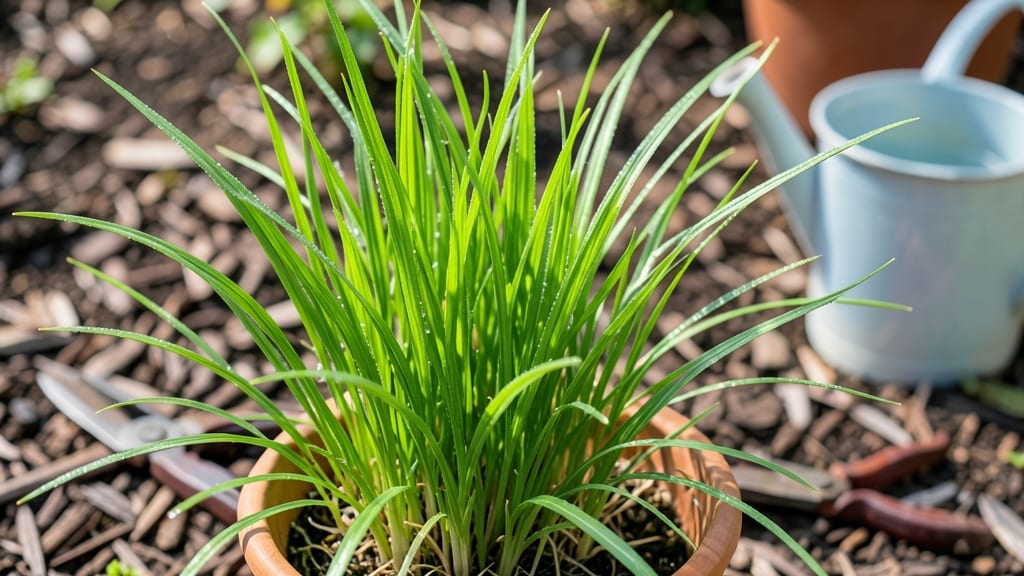
This lemongrass deer-resistant stalwart has saved my garden more times than I can count, though my skeptical neighbors still lose hostas to hungry bucks. Some gardeners swear by it; others report zero effect. The real magic happens when you combine lemongrass with other strategies.
Deer avoid strong citrus and aromatic plants, but they’re opportunists. Pair lemongrass with rosemary, lavender, or Russian sage for a multi-sensory repellent. Even better, plant it around high-value crops like tomatoes or peppers—they’ll get the extra protection. The key is density: thick clusters confuse deer more than scattered stalks.
For extra insurance, add physical barriers like tall fencing (8 feet minimum) or chicken wire wrapped around young plants. Deer can jump, but they won’t bother what they can’t reach.
I’ve seen neighbors use hot pepper spray (reapply every 2 weeks) or deer-repellent granules with good results—just avoid anything with synthetic chemicals near edibles.
If lemongrass fails, try alternatives like dwarf yarrow, catmint, or boxwood—all deer-resistant workhorses. The goal isn’t perfection; it’s layers. My garden stays deer-free by mixing scent, texture, and occasional deterrents. Start with lemongrass as your first line, then adapt as needed.
📚 In This Guide
- What you need
- Instructions
- Tips and common mistakes
- Wrapping up and next steps
What you need
- ● Lemongrass plants: 10–20 healthy stalks (choose Cymbopogon citratus for best results). Buy from nurseries or grow from cuttings.
- ● Well-draining soil: 5–10 bags (mix garden soil with compost for optimal growth).
- ● Organic fertilizer: 1–2 bags (balanced 10-10-10 or citrus-friendly formula).
- ○ Mulch (optional but recommended): Straw or wood chips (5–10 cubic feet) to retain moisture.
- ● Watering can or hose: With a gentle spray nozzle for tender seedlings.
- ● Garden gloves: 1 pair (to protect hands from thorns or sharp edges).
- ● Trowel or shovel: For planting and soil prep (medium-sized, 8–12 inches).
- ● Pruning shears: 1 pair (to trim lemongrass and encourage bushiness).
- ● Measuring tape: For spacing plants 18–24 inches apart.
- ● Spray bottle (for DIY repellent):**
- ● Deer-resistant companion plants: Marigolds, lavender, or rosemary (5–10 plants) to boost repellent effects.
- ● Fencing or stakes: Temporary support (if planting in windy areas).
- ● Essential oil diffuser: For indoor deer repellent (add 5–10 drops of lemongrass oil to water).
How to plant lemongrass as a natural deer-resistant barrier
Lemongrass thrives as both a fragrant border and a deer deterrent—here's how to establish it effectively.
🌱 Step 1: Select Planting Locations and Prepare Soil
Choose a site with 6+ hours of sunlight daily and well-draining soil—lemongrass hates soggy roots. I like to plant along property edges or near high-traffic garden paths where deer frequent. Test your soil pH; lemongrass prefers slightly acidic to neutral (6.0-7.0). If your soil is heavy clay, amend with 2-3 inches of compost mixed into the top 6 inches before planting.
Dig holes twice as wide as the root ball but only as deep as the container's base. Space plants 18-24 inches apart in rows 2-3 feet apart for a dense barrier. The closer spacing forces deer to navigate through rather than browse around. Water the holes thoroughly before planting to help roots establish contact with moist soil immediately.
🌿 Step 2: Plant Lemongrass and Establish Initial Growth
Remove lemongrass from containers and loosen any circling roots with your fingers—this encourages outward growth rather than root-bound clumps. Place each plant in its hole, backfilling with native soil while gently pressing to eliminate air pockets. Water deeply right after planting until moisture reaches 6 inches down.
Mulch with 2-3 inches of shredded bark to conserve moisture and suppress weeds. Keep the mulch 2 inches away from stems to prevent rot. You'll see new growth within 7-10 days—watch for the first true leaves (long, narrow, and slightly serrated) to appear. These leaves contain the highest concentration of citronella oil, which deer find offensive.
☀️ Step 3: Maintain Watering and Fertilization
Water 1-2 inches per week, either through rainfall or irrigation, keeping soil consistently moist but never waterlogged. Lemongrass tolerates brief dry spells but grows most vigorously with steady moisture. I use drip irrigation along the planting line to maintain even hydration without wetting foliage—this prevents fungal diseases that can weaken plants and make them more palatable to deer.
Fertilize lightly in spring with a balanced 10-10-10 formula at half strength. Too much nitrogen produces lush foliage that deer may find more appealing. After the first year, reduce fertilization to once annually in early spring. You'll know your plants are thriving when they reach 3-4 feet tall and develop the distinctive citrusy aroma when crushed—this is their natural deer-repelling signal.
✂️ Step 4: Prune Strategically for Density and Aroma
Cut back one-third of the tallest stems in early summer to encourage bushier growth. Use clean, sharp pruners to make cuts just above a leaf node—this stimulates lateral branching. Avoid heavy pruning in fall as the plant prepares for winter dormancy. The regrowth after pruning will be denser and more aromatic, making the barrier even less appealing to deer.
Harvest outer stems for culinary use or to enhance the scent barrier—simply cut 3-4 inch sections from the base. The more you harvest, the more vigorously the plant grows. I find that monthly harvesting in growing seasons keeps plants compact while maximizing their deer-repelling effectiveness. If you notice any yellowing leaves, trim them immediately to prevent disease spread.
🦌 Step 5: Monitor and Reinforce the Barrier
Check your lemongrass border weekly for signs of deer browsing. If you spot chewed stems, apply a commercial deer repellent spray containing putrescent egg solids as a temporary deterrent while the plants establish. The lemongrass should become fully deer-resistant within 2-3 growing seasons as the scent barrier matures.
To create a multi-layered defense, interplant with rosemary, lavender, or Russian sage every 3 feet along the border. These companion plants enhance the aromatic shield while providing additional visual deterrence. By the second year, your lemongrass barrier should be self-sustaining—deer will naturally avoid the area due to the strong citrus scent and dense foliage.
Tips & tricks for perfect lemongrass deer-resistant barriers
Creating an effective lemongrass barrier takes more than just planting—these insider tips will help you maximize its deer-repelling power and ensure long-term success.
Location Strategy: Position your lemongrass along windy areas of your property where deer naturally travel. The strong citrus scent carries farther, creating a wider deterrent zone. I've found that planting near garden pathways or property edges—where deer frequently browse—amplifies the effect by forcing them to navigate through the scent barrier rather than around it.
Soil Preparation Insight: The 6.0-7.0 pH range mentioned in Step 1 is non-negotiable for optimal growth. If your soil tests outside this range, don't just amend the top layer—work the compost or lime/sulfur into the full 6-inch depth specified. I once planted in soil that only had surface-level amendments, and the roots struggled to access proper nutrients, weakening the barrier's effectiveness.
Plant Spacing Secret: The 18-24 inch spacing between plants might seem generous, but this creates the perfect balance for two reasons: First, it allows each plant to develop its full aromatic potential without competing for resources. Second, it creates natural gaps that deer are less likely to navigate through—making them more likely to bypass the entire barrier. For maximum effectiveness, stagger the rows by 6-12 inches to break up visual pathways.
Companion Planting Boost: While the instructions mention rosemary, lavender, and Russian sage, I've had great success adding thyme and marjoram every 2 feet along the border. These herbs complement lemongrass's scent profile while adding another layer of visual deterrence. The key is to maintain the 3-foot spacing between different companion plants to avoid competition for sunlight and water.
Pro Tips for Lemongrass Deer Resistant
- Creating an effective lemongrass barrier takes more than just planting—these insider tips will help you maximize its deer-repelling power and ensure long-term success.
- Location Strategy: Position your lemongrass along windy areas of your property where deer naturally travel.
- Soil Preparation Insight: The 6.0-7.0 pH range mentioned in Step 1 is non-negotiable for optimal growth.
Frequently asked questions
Got questions about using lemongrass as a deer-resistant barrier?
Here are answers to the most common ones to help you plan with confidence!
How long does lemongrass take to grow tall enough to deter deer?
Lemongrass typically reaches deer-deterring heights (3–5 feet) within 6–12 months, depending on climate and care. For faster results, plant mature stalks or pair it with taller companion plants like rosemary or lavender. Pro tip: Trim back leggy growth to encourage bushier, denser foliage that deer dislike even more!
Will lemongrass work if deer are already eating my garden?
If deer are already browsing, lemongrass may not be enough alone—start with a physical barrier (like fencing) and combine it with other repellents (e.g., garlic spray or predator urine). Plant lemongrass around high-value plants to create a scent buffer. Troubleshoot: If deer ignore it, try pruning the stalks to expose fresh, aromatic leaves.
Can I grow lemongrass in containers for deer control?
Lemongrass thrives in large containers (12"+ diameter) with well-draining soil and full sun. Place pots near garden edges or along pathways to maximize scent dispersion. Just ensure they’re heavy enough to resist wind (or stake them). Bonus: Container-grown lemongrass can be moved indoors in winter for year-round use!
Are there deer-resistant alternatives if lemongrass doesn’t work for me?
Yes! Try these low-maintenance options:
- Herbs: Rosemary, thyme, or mint (deer hate their strong scents).
- Plants: Russian sage, boxwood, or barberry (thorny or aromatic).
- Commercial: Deer-repellent sprays (with putrescent egg solids).
What should I do if lemongrass stops repelling deer?
Deer may adapt to lemongrass over time. Revive its effectiveness by:
- Pruning 1/3 of the plant to stimulate new growth (deer dislike fresh cuts).
- Rotating companion plants (e.g., swap in lavender after 6 months).
- Reapplying crushed lemongrass leaves around vulnerable areas seasonally.
Wrapping up and next steps
Transforming your garden into a deer-resistant haven with lemongrass isn’t just effective—it’s simple, natural, and fragrant! 🌿 By planting this citrusy powerhouse, you’re not only adding beauty and utility to your outdoor space but also creating a chemical-free barrier that keeps those hungry browsers at bay.
The best part? It’s a low-maintenance solution that grows back year after year.
Ready to take the next step? Start small—plant a few lemongrass clumps around your favorite shrubs or along property lines.
Over time, you’ll see the difference, and soon, your garden will be the envy of the neighborhood! 🌟 Shop lemongrass plants now and give your plants the protection they deserve.