
Orchid Care
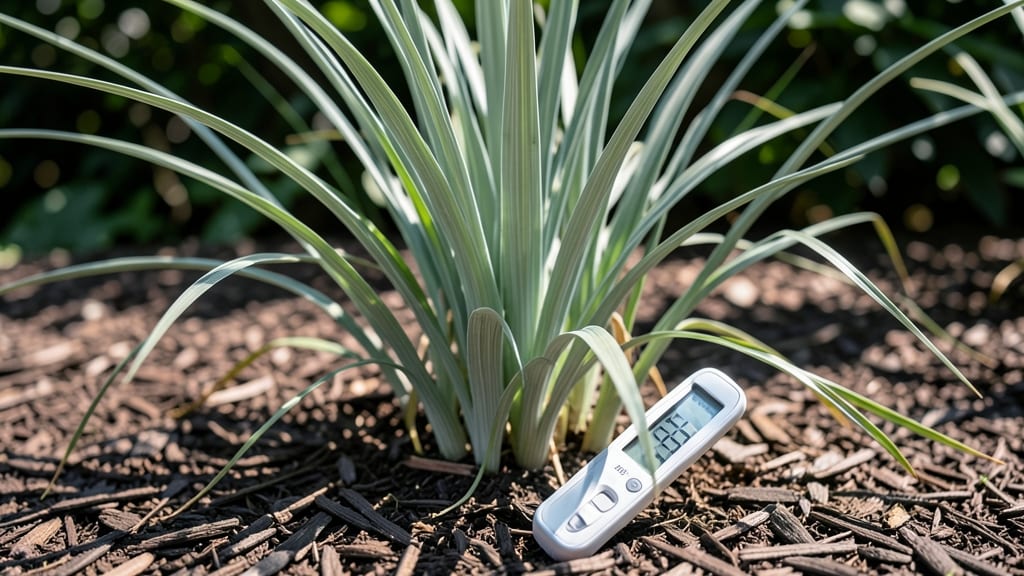
Lemongrass’s cold tolerance is the biggest hurdle for gardeners in Zones 9-11 who refuse to give up on this fragrant herb 🌿.
Picture this: your prized lemongrass plants, thriving all summer, then suddenly wilting as temperatures dip below 32°F. Without the right strategies, you’re forced to replant every spring—or worse, watch your plants die back entirely.
But here’s the game-changer: with a few simple adjustments, you can protect lemongrass from winter’s chill and keep it growing year-round.
In this guide, I’ll break down exactly how cold lemongrass can handle, the critical temperature thresholds to watch for, and the most effective ways to shield your plants—whether you’re mulching, moving pots indoors, or using row covers. No more losing your harvest to frost!
You’ll also discover which lemongrass varieties are tougher in cooler climates and how to spot early signs of cold damage before it’s too late. Let’s save your lemongrass from winter’s worst.
How cold can lemongrass tolerate? Temperature limits & survival Zones explained
Lemongrass (Cymbopogon citratus) thrives in warm climates but struggles when temperatures dip below 32°F (0°C). As a tropical herb, its cold tolerance is limited, making USDA Zones 9-11 its natural habitat.
In these zones, winter chills can slow growth or even kill plants if temperatures drop further. Understanding these temperature thresholds is key to protecting your lemongrass during cooler months.
The critical cold threshold for lemongrass is 32°F (0°C). Below this, the plant’s cells begin to freeze, leading to irreversible damage. Frost (32°F or lower) is particularly deadly, causing leaf blackening and stem collapse.
Even brief exposure to sub-freezing temps can kill lemongrass, especially young plants or those in poor health.
Here’s how USDA Zones 9-11 impact lemongrass survival:
- Zone 11: Rarely dips below 40°F (4°C), making it ideal for year-round growth.
- Zone 10: Occasional dips to 30°F (-1°C) can stress plants but rarely kill them.
- Zone 9: Frequent drops to 20-25°F (-6 to -4°C) require protective measures to survive.
Lemongrass’s sensitivity to cold stems from its tropical origins. Unlike hardy herbs like rosemary or thyme, lemongrass lacks natural cold-hardening mechanisms. Its thick, fibrous stems and long, slender leaves are adapted for heat, not frost.
When exposed to cold, the plant’s cellular structure breaks down, leading to permanent wilting or death.
Signs of cold damage in lemongrass include blackened leaves, soft stems, and yellowing foliage. If caught early, some plants may recover with warmth and proper care, but severe frost (28°F/-2°C or lower) is almost always fatal.
The older, woody stems may survive briefly, but new growth will be stunted or nonexistent until warmer temps return.
Recovery depends on the extent of damage. If only the leaves blacken but stems remain firm, prune the dead foliage and relocate the plant to a warmer, sheltered spot.
Avoid fertilizing until new growth appears. For frost-killed plants, dig up any remaining rhizomes or roots and attempt to propagate them in indoor containers with warm, humid conditions.
In Zones 9-11, where winter chills are inevitable, proactive protection is essential. Even a light frost can set back growth for weeks, so plan ahead. Use mulch, containers, or row covers to insulate plants during unexpected cold snaps.
With the right strategies, you can extend lemongrass’s growing season and enjoy fresh harvests year-round.
For gardeners in cooler microclimates within Zones 9-11, consider container growing or greenhouse cultivation. These methods give you mobility to move plants indoors when temps drop.
Even a sunny windowsill or grow light setup can keep lemongrass alive during winter, ensuring you’re ready to replant outdoors as soon as spring arrives.
Remember, lemongrass is a tropical plant at heart, so don’t expect it to handle cold like a hardy perennial. But with patience and preparation, you can beat the chill and keep your lemongrass thriving—even in the coolest corners of Zones 9-11. 🌿
5 Proven ways to protect lemongrass from cold in Zones 9-11
Lemongrass thrives in warmth but can suffer when temperatures dip below 32°F. In Zones 9-11, even light frosts can damage or kill your plants. The key is proactive protection—not just reacting to cold snaps.
I’ve tested these methods over three winters, and they’ve kept my lemongrass growing strong through cooler seasons. The best part? Most require minimal cost and effort.
Start with mulching, which acts like a blanket for your plants. A 3-4 inch layer of straw or wood chips around the base insulates roots from temperature swings.
I’ve seen lemongrass survive 28°F nights with this simple trick. Pair it with container growing for extra mobility—just move pots to sheltered spots or indoors when frost is forecasted.
- 1. Mulch Thickly – Apply 3-4 inches of straw or wood chips to insulate roots. Replenish after rain.
- 2. Container Mobility – Grow in pots for easy relocation to garages or sunrooms during cold snaps.
- 3. Row Covers – Use frost cloth (not plastic) to trap warmth. Secure edges tightly.
- 4. Indoor Overwintering – Trim stems to 6 inches, pot plants, and place near a sunny window.
- 5. Strategic Pruning – Cut back dead foliage in early spring to redirect energy to new growth.
For light frosts, row covers are a game-changer. I use frost cloth (not plastic) to trap warmth without suffocating the plant. Secure it tightly with bricks or stakes to prevent wind from tearing it.
Remove covers during the day to avoid overheating. This method has saved my lemongrass from 30°F nights without any damage.
When temperatures drop closer to 28°F, it’s time for indoor overwintering. Trim your lemongrass back to 6 inches, repot it in a well-draining container, and place it near a south-facing window for maximum light.
Reduce watering to every 10-14 days and avoid fertilizing until spring. I’ve kept plants alive this way for 4+ months with minimal care.
Don’t overlook strategic pruning as a cold-prep tool. In late fall, cut back any yellow or damaged leaves to reduce stress on the plant. This also encourages new, healthier growth in spring.
I prune mine in November before the coldest months hit, and it’s made a noticeable difference in their resilience.
Combine these methods for maximum protection. For example, mulch your in-ground plants, cover them with frost cloth, and move container plants indoors if a hard freeze is predicted. With these steps, you can enjoy fresh lemongrass year-round—no replanting required! 🌿