
Lawn
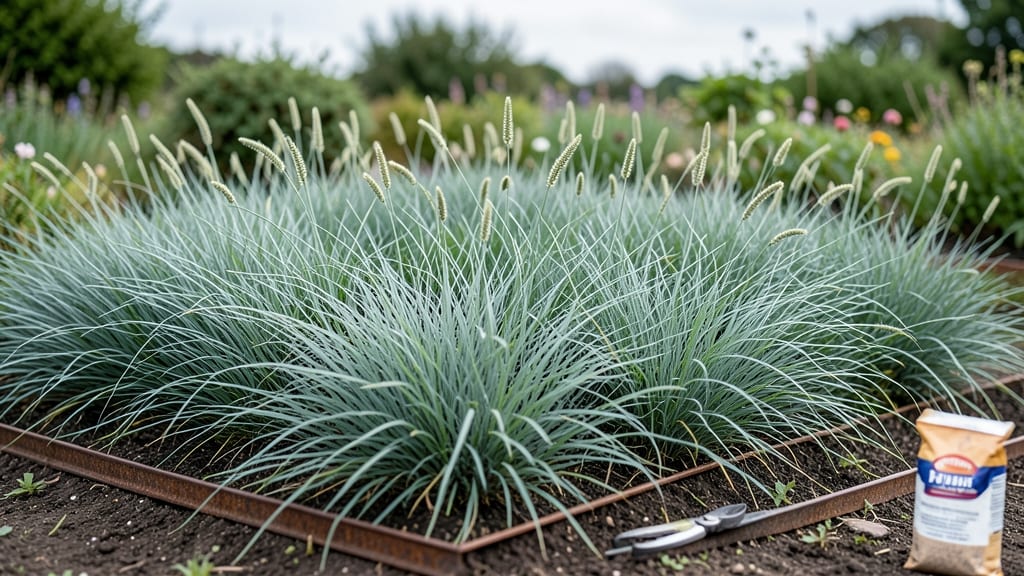
Uneven patches of leaves growing in your grass aren’t just unsightly—they’re signs your lawn needs attention. 🌱 I’ve spent years battling dandelions, clover, and volunteer seedlings that turn lush grass into a patchwork of weeds, and the key to fixing it starts with understanding what’s growing where.
Most of those leaves belong to weeds or stray plants that thrive where grass struggles—think thin spots, shaded areas, or overwatered patches. Dandelions and clover pop up in compacted soil, while grassy weeds like nutsedge love moist conditions.
The good news? You don’t need harsh chemicals to tackle them—just the right tools and timing.
With consistent pulling, targeted spot treatments, and a few lawn-care tweaks, you’ll transform those patchy spots into dense, uniform grass. I’ll show you how to spot the troublemakers, remove them safely, and keep your lawn looking its best without breaking the bank or harming the environment.
Whether you’re dealing with a few stubborn weeds or a full-blown takeover, these methods work for any yard size. Let’s get that lawn back to looking like a well-kept carpet instead of a botanical mystery.
📚 In This Guide
- What you need
- Instructions
- Tips and common mistakes
- Wrapping up and next steps
What you need
- ● Lawn seed: Choose a high-quality mix tailored to your grass type (e.g., Kentucky Bluegrass, Fescue, or Bermuda). Quantity: ~5 lbs per 1,000 sq. ft. for overseeding.
- ● Topsoil or compost: A thin layer (¼ inch) to nourish new growth. Recommended: Organic compost or screened topsoil.
- ● Lawn fertilizer: Slow-release, balanced formula (e.g., 10-10-10 or 16-4-8). Apply: ~1 lb of nitrogen per 1,000 sq. ft.
- ● Watering system: Garden hose with a sprinkler head or a soaker hose for even moisture.
- ○ Weed killer (optional): Selective herbicide for broadleaf weeds (e.g., 2,4-D). Note: Avoid if overseeding the same day.
- ● Garden rake: Metal or plastic tines to loosen soil and remove debris.
- ● Broadfork or aerator: For compacted soil (rent or buy a manual/aerator tool).
- ● Spreaders: Broadcast spreader for seeds/fertilizer (even coverage).
- ● Drop spreader for precise application.
- ● Lawn mower: Set blade height to 2–3 inches to avoid scalping.
- ● Gloves & knee pads: Protect your hands and knees during the process!
- ● Weather check: Aim for cool, overcast days (ideal temps: 60–75°F). Avoid seeding in direct sun or extreme heat.
- ● Lawn prep: Mow grass short (1–1.5 inches) and remove dead patches, rocks, or debris.
- ○ Soil test (optional but helpful): Test pH (ideal: 6.0–7.0) and adjust with lime or sulfur if needed.
Instructions for reviving patchy grass where leaves are taking over
Here’s how I tackle those stubborn leaf-filled spots—no chemicals, just smart lawn care.
🌱 Step 1: Identify the Problem and Clear Debris
First, inspect the area closely. Leaves smother grass by blocking sunlight, so start by raking out all debris. Use a stiff-bristled rake to pull up leaves, twigs, and thatch—don’t just push them around. You’ll see bare soil or thin grass underneath. This step is critical because compacted leaves create a barrier that prevents new grass growth.
Pay attention to how the soil feels. If it’s hard or spongy, it’s time for a deeper fix. Break up any compacted areas with a garden fork or aerator. You’ll know you’re doing it right when the soil loosens and small clumps of grass pull up easily.
🌿 Step 2: Test Soil and Amend as Needed
Take a small soil sample from the patchy area and test its pH and nutrient levels. Most lawns need a pH between 6.0 and 7.0—if yours is off, amend with lime (to raise pH) or sulfur (to lower it). I like to use a simple DIY test kit for accuracy. If the soil is sandy or clay-heavy, mix in 2-3 inches of compost to improve texture and fertility.
Spread the compost evenly over the area, then lightly rake it in. Don’t overdo it—too much can suffocate roots. Water the amended soil until it’s damp 1 inch deep. This ensures the amendments integrate with the existing soil before seeding or sodding.
☀️ Step 3: Choose the Right Grass and Plant Strategically
Select grass seed that matches your existing lawn’s type—cool-season grasses like Kentucky bluegrass or tall fescue work best in most climates. For patchy spots, use a high-quality overseeding mix with at least 10 pounds per 1,000 square feet. Spread the seed evenly by hand or with a broadcast spreader, then lightly cover it with a thin layer of soil or straw.
Water gently but thoroughly right after planting. Keep the soil consistently moist for the first 2-3 weeks—not soggy, just damp like a wrung-out sponge. You’ll see new grass blades emerge in 7-14 days, depending on temperature and moisture. Avoid walking on the area until the new grass is 2-3 inches tall to prevent damage.
💧 Step 4: Maintain Moisture and Monitor Growth
Once the new grass reaches 1-2 inches tall, gradually reduce watering to encourage deep root growth. Water deeply 2-3 times per week instead of daily light sprinkles. You’ll notice the grass darken and thicken as it establishes—this is your sign it’s thriving. If weeds pop up, pull them by hand before they compete for nutrients.
After 4-6 weeks, mow the new grass at 3 inches high to strengthen the blades. Avoid cutting more than one-third of the grass height at a time. This step is often skipped, but it’s key to preventing weak, patchy growth. Keep mowing regularly to blend the new grass seamlessly with the rest of your lawn.
✂️ Step 5: Prevent Future Leaf Buildup
To keep leaves from smothering your lawn again, establish a routine. Rake leaves weekly during fall, and consider investing in a mulching mower to shred leaves into small pieces that decompose quickly. If your lawn has shady spots, overseed those areas annually with shade-tolerant grass varieties like fine fescue.
Finally, aerate your lawn once a year in spring or fall. This opens up the soil, allowing air, water, and nutrients to reach the roots. You’ll see a noticeable difference in grass density and resilience against weeds and leaf buildup. Think of it as a spa day for your lawn—regular maintenance keeps it looking lush and healthy year-round.
Tips & tricks for reviving patchy grass overrun by leaves
These practical insights will help you transform those leaf-choked patches into lush, healthy lawn areas with minimal effort.
Timing is Everything: In Step 3, when you're keeping the soil consistently moist for those first 2-3 weeks, use a simple trick to check moisture levels. Stick your finger about 1 inch deep—if it comes out clean, water more; if it feels damp, you're golden. Overwatering is just as damaging as underwatering, especially during germination when those delicate new grass blades are establishing their roots.
Soil Preparation Secret: Before adding compost in Step 2, consider a quick pre-treatment for compacted soil. Sprinkle a thin layer of coarse sand over the area first—it helps break up clay soils naturally while improving drainage. This works particularly well if your soil feels spongy or hard when you test it, as mentioned in Step 1. The sand creates tiny air pockets that help roots penetrate more easily.
Grass Selection Strategy: When choosing your overseeding mix in Step 3, pay special attention to the label for "germination rate." Look for mixes with a rate of at least 85%—this means more seeds will successfully sprout, giving you quicker coverage. For shady areas, consider adding 10% fine fescue to your mix, even if your main grass is Kentucky bluegrass. This blend handles low light better and prevents future patchiness.
Maintenance Shortcut: In Step 5, instead of weekly raking, try this time-saving hack: Set your lawn mower to its highest setting and mow over leaf piles before they accumulate. The blades will chop leaves into small pieces that decompose quickly. For stubborn piles, run the mower twice—first to chop, then again to spread the mulch evenly. This mimics the effect of a mulching mower without the extra equipment.
Pro Tips for Leaves Growing In Grass
- These practical insights will help you transform those leaf-choked patches into lush, healthy lawn areas with minimal effort.
- Timing is Everything: In Step 3, when you're keeping the soil consistently moist for those first 2-3 weeks, use a simple trick to check moisture levels.
- Soil Preparation Secret: Before adding compost in Step 2, consider a quick pre-treatment for compacted soil.
Frequently asked questions
Got questions about those pesky leaves sprouting in your grass? You’re not alone! Here are some of the most common concerns—and straightforward answers—to help you tackle the issue like a pro.
Why are leaves growing in my grass in the first place?
Leaves growing in grass usually signal one of three things: weeds taking over, patchy grass struggling to grow, or broadleaf plants (like clover or dandelions) invading. Weeds thrive in thin or bare spots, while grass may fail due to poor soil, lack of sunlight, or over/under-watering. Identifying the culprit is step one—check for deep roots (weeds) or shallow, feathery leaves (clover).
When is the best time to address leaves growing in grass?
Spring and early fall are the golden windows for treating weeds and patchy grass. In spring, weeds are young and easier to pull; in fall, grass recovers faster from stress like overseeding or herbicide use. Avoid treating in extreme heat or drought—stressed plants won’t bounce back. Pro tip: Mow high (3–4 inches) before applying herbicides to protect grass blades!
Can I just mow over the leaves, or do I need to pull them?
Mowing alone won’t eliminate weeds or broadleaf plants—it can even spread seeds if you’re not careful. For small patches, hand-pull weeds (especially in spring when soil is moist). For larger areas, use a selective herbicide (like 2,4-D) for broadleaf weeds or a pre-emergent in early spring to stop new growth. Warning: Avoid herbicides if you have pets or kids—opt for vinegar-based sprays (less toxic but less effective).
How can I prevent leaves (or weeds) from growing back?
Prevention starts with healthy grass. Overseed thin areas in fall, aerate compacted soil, and fertilize in early spring. Mow regularly (never cut more than ⅓ of the blade at once) to crowd out weeds. Apply a pre-emergent herbicide in early spring to block weed seeds, and water deeply but infrequently (1–1.5 inches per week) to encourage deep grass roots. Bonus tip: Spread corn gluten meal in fall—it’s a natural pre-emergent and adds nitrogen!
What if my grass won’t grow back after I remove the leaves?
If grass refuses to regrow, the soil might be too compacted, lacking nutrients, or shaded. Start by aerating (rent a core aerator or spike the lawn with a garden fork). Test your soil’s pH—ideal grass pH is 6.0–7.0. If needed, add compost or a slow-release fertilizer. For shady spots, choose shade-tolerant grass varieties like fine fescue. Patience is key: New grass takes 10–14 days to sprout!
Wrapping up and next steps
Transforming your lawn into a lush, weed-free carpet is totally within reach—you’ve got this! 🌱 By tackling those pesky leaves growing in grass with the right tools and techniques, you’ll not only improve your lawn’s health but also save time and effort in the long run.
Start small, stay consistent, and soon your yard will be the envy of the neighborhood.
Ready to take action? Pick one method from this guide and give it a try this weekend. Whether it’s dethatching, overseeding, or adjusting your mowing habits, every little step makes a difference. Happy gardening! 🌿