
Lawn
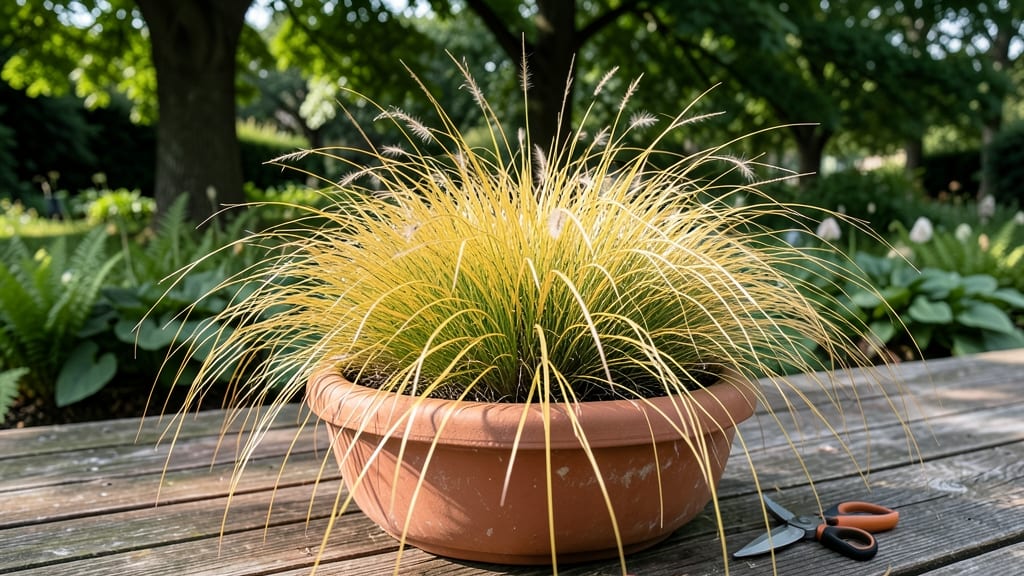
Growing Japanese shade grass turns your dark corners into velvety green showstops without needing sunlight. 🌿 I’ve watched mine cascade like emerald waterfalls in spots where nothing else survives—this grass thrives where others fail, and the secret lies in its love of shade and moist soil.
The key is mimicking its natural woodland habitat: dappled light or deep shade, rich organic soil, and consistent moisture. Most people overwater or plant it too deep—both mistakes lead to yellowing or slow growth.
With the right conditions, you’ll see new growth within weeks, and by summer, it’ll spill over edges like a living curtain. What makes it special is how it softens spaces—think of it as nature’s answer to a lush, low-maintenance carpet.
It stays green year-round in mild climates and handles winter better than most ornamental grasses. The only real challenge is keeping it from drying out in hot shade. For beginners, start with a small pot to test your site’s conditions.
If you notice browning, it’s usually a watering issue—too much or too little. Once established, it’s almost impossible to kill, making it the perfect grass for lazy gardeners (like me) who want beauty without fuss.
📚 In This Guide
- What you need
- Instructions
- Tips and common mistakes
- Wrapping up and next steps
What you need
- ● Japanese Shade Grass (Zoysia japonica or Hakonechloa macra) – 10-20 sq. ft. per bundle (depending on coverage goals). Choose shade-tolerant varieties like 'Zoysia 'Meyer' or 'Hakone Grass 'Aureola'.
- ● High-quality potting soil or lawn soil mix – 1 cubic yard per 100 sq. ft. Opt for a blend with 30-40% organic matter for drainage.
- ● Garden gloves – 1 pair (nitrile-coated for grip and protection).
- ● Hand trowel or transplanting spade – 1 unit (6-8" blade for precision).
- ● Watering can or hose with a gentle spray nozzle – 1 unit (for even moisture without erosion).
- ○ Mulch (optional but recommended) – 2-3 inches of pine bark or shredded leaves to retain moisture.
- ● Soil test kit – To check pH (6.0-7.0 ideal) and nutrient levels before planting.
- ● Slow-release fertilizer (10-10-10 or organic) – Apply at half-strength post-planting for gentle growth.
- ● Edging tool – For clean borders if planting near pathways or gardens.
- ● Shade cloth (30-50%) – Temporary use if your area gets partial sun or harsh afternoon light.
- ● Knee pads or kneeler – For comfort during long planting sessions!
How to grow Japanese shade grass in low-light areas
Japanese shade grass thrives where most lawns give up—here's how to create a lush, sun-free carpet.
🌱 Step 1: Select the Right Variety for Your Light Conditions
Choose Hakonechloa macra or Carex oshimensis for deep shade (2-4 hours of indirect light) or Ophiopogon japonicus for partial shade (4-6 hours of filtered light). I always opt for Evergold Hakone grass—its golden edges contrast beautifully against dark foliage and tolerates less than 2 hours of direct light.
Check your space's light patterns first. Move a plant (or even a white sheet of paper) around during the day to track how much light hits where. If you see more than 4 hours of bright light, consider Carex oshimensis 'Sunfire'—it handles morning sun with afternoon shade better than most.
🪴 Step 2: Prepare the Soil and Planting Site
Japanese shade grass despises soggy roots but won't tolerate dry soil either. Amend your existing soil with 2 inches of organic compost and 1 inch of perlite to improve drainage while retaining moisture. I like to work in a handful of worm castings for extra microbial activity—this helps roots establish faster in shady conditions.
Test your soil's moisture retention by digging a 6-inch hole and filling it with water. If it drains completely within 1 hour, you need more compost. If water pools at the bottom after 4 hours, add perlite to prevent root rot. The ideal soil should feel like a damp sponge—squeeze it gently, and it should hold its shape but not drip.
☀️ Step 3: Plant at the Correct Depth and Spacing
Dig holes twice as wide as the root ball but only as deep as the container's bottom. Gently remove the plant from its pot and loosen the roots if they're circling. Place it in the hole so the top of the root ball sits ½ inch below soil level—this prevents crown rot in heavy shade.
Space plants 12-18 inches apart for a dense look within 2 growing seasons. If you're planting 4 plants (as in our servings), arrange them in a 2x2 grid for even coverage. Water deeply immediately after planting to eliminate air pockets—tap the soil gently around the roots to settle everything.
💧 Step 4: Water and Maintain for Optimal Growth
Water deeply 2-3 times weekly until the top 2 inches of soil feel moist. In shade, soil stays damp longer, so check with your finger before watering. Overwatering here causes yellowing leaves faster than underwatering. I set a timer for 10 minutes when watering—if the soil isn't visibly damp after that, I let it dry slightly before trying again.
Fertilize lightly in spring and early summer with a balanced 10-10-10 fertilizer at half strength. Too much nitrogen burns shade grasses. I mix mine with a handful of compost each time to avoid salt buildup. Watch for brown leaf tips—this signals over-fertilizing, not drought.
✂️ Step 5: Prune and Divide for Long-Term Health
Cut back dead fronds in early spring before new growth appears. Use clean, sharp shears to trim 2 inches above the base—this encourages bushier regrowth. I always wear gloves; some varieties like Ophiopogon have tiny hairs that irritate skin.
Divide clumps every 3-4 years in early spring when shoots are 3-4 inches tall. Dig up the entire plant, separate the roots with your hands, and replant the healthiest sections. This prevents overcrowding and rejuvenates growth. Water thoroughly after dividing—roots will be stressed and need moisture to recover.
Tips & tricks for perfect Japanese shade grass growth
Here's what I've learned after years of growing shade grass that actually thrives in low-light spaces.
Variety Selection: When choosing between Hakonechloa macra and Carex oshimensis for deep shade, consider their growth habits. Hakonechloa cascades beautifully but needs more moisture, while Carex stays compact and handles drier conditions better. For the Evergold Hakone grass specifically, its golden edges will fade in full shade—place it where it gets at least 2 hours of indirect light daily to maintain that signature color.
Soil Preparation Strategy: The 6-inch hole test for moisture retention is my go-to method, but I've found an even better trick: mix 1 part coconut coir with your 2 inches of organic compost—it holds moisture longer than peat moss and won't compact like straight compost. For containers, use a blend of 60% potting soil, 20% perlite, and 20% orchid bark for perfect drainage while retaining moisture.
Planting Depth Secret: The ½ inch below soil level rule for planting depth is crucial, but here's what nobody tells you—if you're planting in containers, use a terracotta pot with drainage holes and fill the bottom 1 inch with hydroponic clay pebbles. This creates an air gap that prevents crown rot while still keeping roots cool. I've seen shade grasses planted too shallow develop yellowing leaves within weeks.
Watering Timing: Those 2-3 times weekly waterings work, but I've refined my approach: water in the early morning so leaves have all day to dry, preventing fungal issues. In summer, I increase to daily watering for 10 minutes but only if the top 1 inch of soil feels dry. Overwatering in shade is the #1 killer—you'll know you're doing it right when you see no standing water after 30 minutes.
Pro Tips for Japanese Shade Grass
- Here's what I've learned after years of growing shade grass that actually thrives in low-light spaces.
- Variety Selection: When choosing between Hakonechloa macra and Carex oshimensis for deep shade, consider their growth habits.
- For containers, use a blend of 60% potting soil, 20% perlite, and 20% orchid bark for perfect drainage while retaining moisture.
Frequently asked questions
Got questions about growing Japanese Shade Grass? You’re not alone!
Here are some of the most common queries—plus straightforward answers to help you cultivate a thriving, low-maintenance lawn even in shady spots.
How long does it take for Japanese Shade Grass to establish?
Japanese Shade Grass (like Hakonechloa macra or Carex oshimensis) typically takes 4–6 weeks to show noticeable growth after planting. Full establishment—where it’s dense and self-sustaining—usually happens within 2–3 months, depending on soil moisture and shade levels. Be patient; slow and steady wins the lushest lawn!
Why is my Japanese Shade Grass turning yellow or brown?
Yellowing or browning can stem from overwatering (root rot risk!), underwatering (drought stress), or poor drainage. Check your soil: it should stay moist but not soggy. If the edges are crispy, it’s thirsty; if the center is mushy, it’s drowning. Adjust watering to 1–2 times per week (more in extreme heat) and amend clay soil with compost for better airflow.
Can Japanese Shade Grass handle partial shade?
This grass thrives in partial shade (2–6 hours of sunlight/day) but can tolerate full shade (6+ hours) with consistent moisture. Avoid harsh afternoon sun, which can scorch leaves. For mixed-light areas, place it near trees or north-facing walls where dappled light filters through.
What’s a good alternative if Japanese Shade Grass is hard to find?
If you’re struggling to locate Japanese Shade Grass, try these low-light lawn alternatives:
- World Grass (Zoysia japonica) – Drought-tolerant but needs some sunlight.
- Fine Fescue – Cold-hardy and shade-friendly (ideal for northern climates).
- Creeping Jenny (Lysimachia nummularia) – Ground cover with golden foliage (not grass but great for texture).
- Sedge (Carex spp.) – Similar to Japanese Shade Grass but often easier to source.
When is the best time to plant Japanese Shade Grass?
For optimal growth, plant in early spring or early fall when temperatures are 50–70°F (10–21°C). Avoid extreme heat or frost, which can stress young plants. If planting in summer, water deeply daily and use shade cloth to protect seedlings from intense rays. Spring planting gives roots time to establish before winter dormancy.
Wrapping up and next steps
Growing Japanese shade grass is a rewarding way to transform shady spots into vibrant, low-maintenance lawns—no direct sunlight required! 🌿 With the right soil prep, patient care, and a few key tips, you’ll enjoy a lush, green carpet that thrives where other grasses struggle.
Whether you’re a beginner or a seasoned gardener, this resilient plant proves that shade doesn’t have to mean dull.
Ready to take the next step? Start small—plant a patch in your shadiest corner and watch it flourish. Soon, you’ll be confidently expanding your Japanese shade grass oasis, one section at a time! 🌱