
Planting
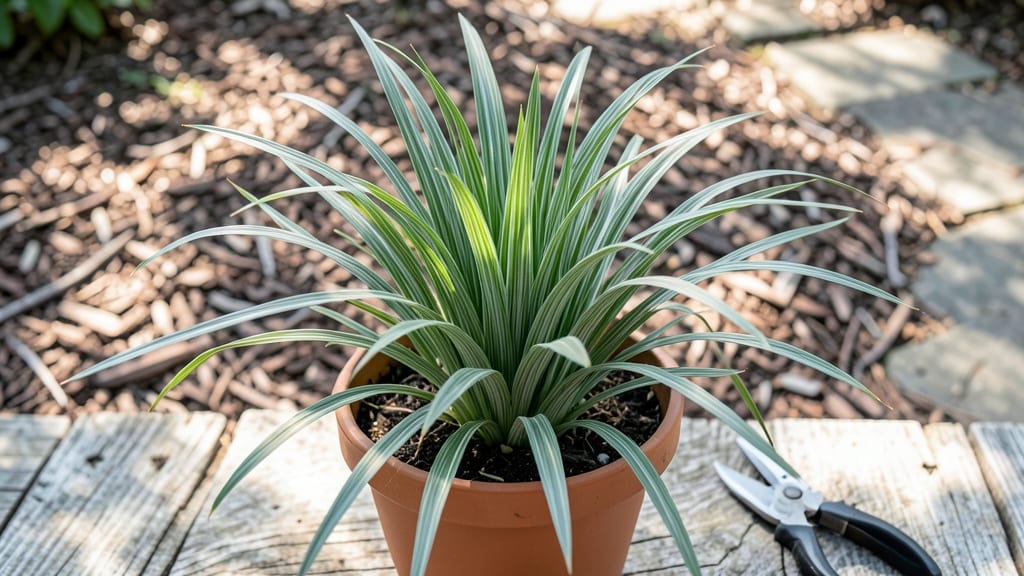
Lemongrass is not a true perennial in Zone 8 without protection—it behaves as an annual or short-lived perennial, only surviving mild winters when heavily mulched or grown in containers. Freezes below 25°F will typically kill it, though roots may produce new growth in spring if conditions allow.
Lemongrass (Cymbopogon citratus) originates from tropical regions where temperatures stay consistently warm, making it highly sensitive to frost. 🌱 In Zone 8, where winter temperatures can dip below freezing, this herb struggles to survive outdoors year-round unless you take active steps to protect it.
The key is understanding that while it may die back in cold snaps, the plant's root system often remains viable, allowing regrowth when temperatures rise again. This explains why many gardeners treat it as a seasonal plant that returns each spring with proper care.
For those wanting to extend lemongrass's lifespan beyond one season, container growing offers the most reliable solution. Simply move potted plants indoors before the first frost and provide bright light.
Alternatively, heavy mulching (6-8 inches of straw or leaves) can provide some insulation, though this method requires monitoring to prevent rot. The plant's ability to regenerate from roots makes these strategies particularly effective for maintaining your lemongrass harvest year after year.
💡 In This Article
- Why Lemongrass Struggles in Zone 8 Winters
- Zone 8 Lemongrass Overwintering Strategies
Why lemongrass struggles in Zone 8 winters
Lemongrass (Cymbopogon citratus) evolved in tropical climates where temperatures rarely drop below 50°F, making it fundamentally incompatible with Zone 8's winter chill. The plant's cellular structure lacks the antifreeze proteins found in cold-hardy perennials like rosemary or thyme, which allow them to survive 15-20°F temperatures.
Instead, lemongrass cells begin to rupture when exposed to 32°F or below, a process called frost damage that turns its vibrant green stalks into mushy, brown sludge within hours.
The real villain in Zone 8 isn't just the cold—it's the temperature fluctuations that occur during early and late freezes. Lemongrass can handle brief dips to 25°F if the ground stays insulated, but repeated freeze-thaw cycles cause the plant's roots to heave out of the soil.
This exposes them to drying winds and further cold damage. 🌡️ Compare this to mint, which thrives in Zone 8 because its roots can survive 0°F temperatures when protected by mulch—lemongrass simply lacks this resilience.
What makes this particularly frustrating is how lemongrass's growth cycle works. Unlike biennials that store energy in roots for next year's growth, lemongrass focuses all its energy on producing new shoots during warm months. When winter arrives, it has no stored reserves to draw from—its entire system shuts down.
This is why even a 2-3 week cold snap can completely wipe out an outdoor planting, unlike hardy herbs that maintain some root activity year-round.
The plant's sensitivity extends beyond just the stalks. Lemongrass's essential oil production—what gives it that signature citrusy aroma—shuts down completely in cold weather.
The aromatic compounds that make it so valuable in cooking and teas become dormant, which is why any regrowth in spring often lacks the intense flavor of summer-grown stalks. 🌿 This biological shutdown explains why gardeners in Zone 8 frequently treat lemongrass as an annual, despite its tropical origins.
Interestingly, the plant's response to cold isn't uniform. Younger plants with more tender growth are far more vulnerable than mature stalks, which have thicker cell walls.
This is why experienced growers often recommend harvesting lemongrass in its second year—by then, the stalks have developed enough resistance to handle short cold periods, though they'll still succumb to prolonged freezes. The trade-off is that older plants produce less new growth in spring compared to their younger counterparts.
For those wondering why lemongrass can't simply "adapt" to cooler climates like some plants do, the answer lies in its genetic programming. Over thousands of years, lemongrass has specialized in warm, humid environments where it can grow rapidly and continuously.
Its growth habit—producing new leaves from the base rather than storing energy—makes it poorly equipped for seasonal dormancy. This fundamental difference explains why even with ideal growing conditions in summer, Zone 8 winters present an insurmountable challenge for this tropical herb.