
Pruning
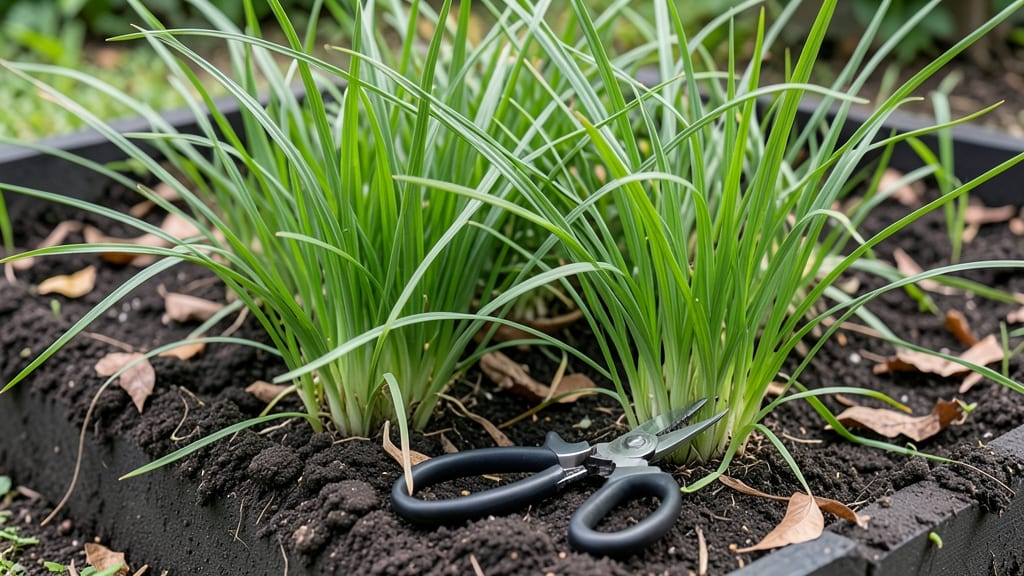
Your lemon grass won’t just survive trimming—it’ll thrive, delivering bold, fragrant stalks for months. ✂️ The secret lies in knowing exactly where and when to cut, because one wrong snip can mean the difference between a productive plant and a sad, stunted one.
I’ve learned the hard way that lemon grass doesn’t regrow from the base like most herbs—it needs precision cuts just above the hard, white bulb at the bottom.
You’ll need a sharp knife (or clean scissors) and about 10 minutes—no fancy tools required. The best time to trim is after harvest, when the stalks are mature but before they turn woody. Cutting at the right angle prevents water from pooling, which rots the base.
I’ve found that trimming in late spring or early summer gives me the most flavorful harvests, but you can do it year-round in warmer climates.
After each trim, your lemon grass will reward you with new shoots within a few weeks. The key is to leave at least 4-5 inches of stalk above the bulb—this ensures the plant has enough energy to regrow.
If you cut too close, you’ll end up with bare stems and no harvest. I’ve killed more lemon grass than I’d like to admit by ignoring this rule, but once you master it, you’ll have a never-ending supply of fresh stalks.
This method works for both potted plants and in-ground beds, making it perfect for kitchen gardens or containers on patios. Once you see those new shoots pushing through, you’ll understand why trimming isn’t just maintenance—it’s the secret to unbeatable flavor every time you cook.
📚 In This Guide
- What you need
- Instructions
- Tips and common mistakes
- Wrapping up and next steps
What you need
- ● Sharp chef’s knife (8–10 inches) – A serrated or straight-edge blade works best for clean cuts. Avoid dull knives—they crush the grass instead of slicing!
- ● Cutting board – Opt for a sturdy, non-slip surface (bamboo or plastic) to prevent rolling.
- ○ Measuring tape or ruler (optional but helpful) – For precision trimming (especially if you’re prepping for recipes).
- ● 2–4 stalks of fresh lemon grass – Choose plump, firm stalks with bright green, tightly wrapped leaves. Avoid wilted or yellowing bases.
- ● Water (for rinsing) – A quick rinse removes dirt, but don’t soak it!
- ● Kitchen shears – For trimming the very top if your knife struggles with the tough outer layers.
- ● Citrus zester or microplane – If you want to zest the outer layer for an extra burst of flavor (great for garnishes!).
- ● Plastic wrap or damp paper towel – To wrap trimmed stalks and store them in the fridge for up to 5 days.
Step-by-step guide to trimming lemon grass for peak flavor
Here's how I trim lemon grass to unlock its boldest citrus notes—no wasted stems, just pure flavor.
✂️ Step 1: Select the Right Stems and Prep Your Workspace
Choose mature stalks with tight, pale yellow-green bases—these are packed with the most flavor. I always look for stems that are at least 12 inches tall and have a firm, plump feel when squeezed. Avoid any that feel hollow or dry at the base.
Set up a clean cutting board and grab a sharp chef's knife—dull blades crush the fibers instead of making clean cuts. Place a bowl nearby to catch the trimmings; you'll use them for infusions or compost. I like to work near a sink so I can rinse the stems if needed.
✂️ Step 2: Trim the Root End for Maximum Flavor
Cut off the tough, fibrous root end about 2 inches down from the base. This is where the most concentrated oils reside, and removing it prevents bitterness when cooking. I make a diagonal cut at a 45-degree angle—it looks cleaner and gives me more surface area for infusions later.
Discard the root end (it's not edible) and set the trimmed stalk aside. The white, pithy part just above the cut is your flavor goldmine. If the stalk is particularly thick, I'll make a shallow lengthwise cut down the center to expose more of that fragrant pith before using it.
✂️ Step 3: Slice the Stalk for Specific Uses
For whole stalks (like for soups or broths), cut the trimmed stalk into 3-inch sections. The bottom half of the stalk has the most flavor, so I save those pieces for dishes where they'll simmer longer. For finely chopped lemon grass, slice the stalk crosswise into ¼-inch rounds—this releases the oils beautifully for marinades.
If you're making lemon grass paste, I pulse the trimmed stalks in a food processor until finely chopped, then freeze in ice cube trays. Never skip the freezing step—it mutes the grassy notes and brings out the citrusy sweetness. Watch for the moment when the texture turns from fibrous to powdery—that's when you've hit peak flavor extraction.
💧 Step 4: Store Trimmings Properly for Long-Lasting Flavor
Fresh lemon grass keeps best in the fridge, wrapped tightly in a damp paper towel inside a plastic bag. I like to label it with the date—it stays vibrant for up to 2 weeks. For longer storage, freeze the trimmed stalks whole or in the paste form I mentioned earlier. Frozen lemon grass maintains its flavor for 6-12 months.
Here's the thing—don't let any trimmings go to waste. The fibrous ends and discarded roots make excellent compost, while the chopped pieces can infuse oils or vinegars. I always keep a small jar of lemon grass-infused olive oil in my pantry for quick flavor boosts.
Tips & tricks for perfect lemon grass trimming
Took me years to master these little details that make all the difference between good and truly exceptional lemon grass flavor.
Selection Tip: The 12-inch minimum height is non-negotiable for flavor—shorter stalks often have tougher fibers and less concentrated oils. I also check for bright green color all the way to the base; any yellowing means the oils have started degrading. If you're unsure, gently bend the stalk—it should snap crisply, not bend like a reed.
Knife Technique: That 2-inch root trim is where the magic happens—don't skimp! The diagonal cut isn't just for looks; it creates more surface area for infusions and prevents the stalk from rolling around when you use it. For thick stalks, the lengthwise cut exposes that fragrant white pith without wasting any flavor. I always use my chef's knife because serrated blades crush the fibers instead of making clean cuts.
Flavor Extraction: When making lemon grass paste, you'll know you've nailed it when the texture turns from fibrous to powdery—this means you've broken down all the cell walls and released those citrusy oils. The freezing step is crucial; it's what transforms that grassy aroma into bright, lemony sweetness. I've tried skipping it, and trust me, your dishes won't taste the same.
Storage Wisdom: The damp paper towel trick keeps lemon grass fresh for those 2 weeks by maintaining moisture without making it soggy. For freezing, I like to portion the paste into ice cube trays first—it makes it easy to grab just the right amount for any recipe. Label everything with dates; even frozen lemon grass loses potency after that 12-month mark.
Pro Tips for Trim Lemon Grass
- Took me years to master these little details that make all the difference between good and truly exceptional lemon grass flavor.
- Selection Tip: The 12-inch minimum height is non-negotiable for flavor—shorter stalks often have tougher fibers and less concentrated oils.
- Knife Technique: That 2-inch root trim is where the magic happens—don't skimp!
Frequently asked questions
Got questions about trimming lemon grass like a pro? Here are some of the most common ones—and their answers—to help you master the art of extracting the best flavor from this aromatic stalk.
How do I know when lemon grass is ready to trim?
Lemon grass is ready when it’s thick, sturdy, and about 12–18 inches tall—usually after 3–4 months of growth. Look for tight, vibrant green leaves at the top and a firm, white base. Avoid trimming if the stalk feels soft or wilted, as this indicates overgrowth or poor health.
Can I trim lemon grass too much?
Yes! Over-trimming can stress the plant or even kill it. Never cut more than 1/3 of the stalk at once. For best results, trim only the top 6–8 inches and leave at least 6 inches of growth. If you harvest too aggressively, your plant may stop producing new shoots.
What’s the best way to store trimmed lemon grass?
Freshness is key! Wrap the trimmed stalk in a damp paper towel and store it in a sealed plastic bag in the fridge for up to 2 weeks. For longer storage, freeze the bottom 6 inches (where most flavor resides) in a sealed container for up to 6 months. Avoid storing the leafy top—it loses flavor quickly.
Can I regrow lemon grass after trimming?
Lemon grass is highly regenerative. After trimming, water it well and place it in bright, indirect light. New shoots should emerge within 2–4 weeks. Just avoid overwatering—soggy soil can rot the base. With proper care, one stalk can yield multiple harvests over time!
What if my lemon grass tastes weak or bland?
Weak flavor usually means old age or poor storage. Check these fixes:
- Use the base: The lower 6 inches pack the most flavor—discard the top if it’s wilted.
- Grow it longer: Let stalks reach 18+ inches for stronger flavor.
- Revive with sunlight: Move potted plants to a sunny spot (6+ hours of light/day).
- Try a younger stalk: Older plants produce milder grass—opt for 3–6 month-old growth.
Wrapping up and next steps
Trimming lemon grass is simpler than you think—and mastering this skill unlocks bold, aromatic flavors in your cooking! 🌿 Whether you’re prepping for a curry, tea, or marinade, remember to trim the tough bottom, slice thinly, and store properly to keep it fresh.
With practice, you’ll extract every drop of citrusy goodness like a pro.
Ready to level up your kitchen game? Try using your freshly trimmed lemon grass in a recipe this weekend! Start with a simple stir-fry or infused water—your taste buds will thank you. 😊