
Lawn
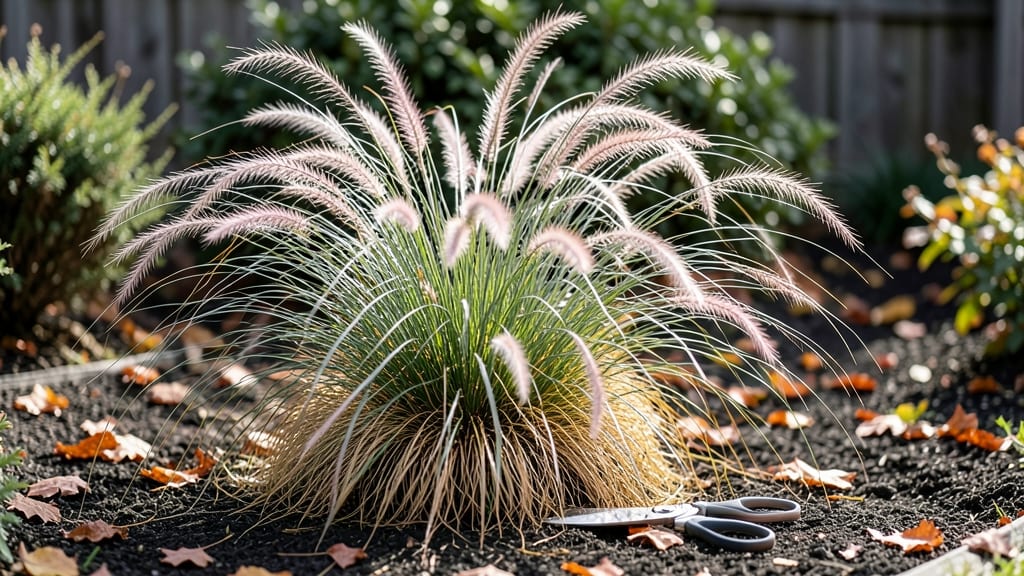
Ornamental grasses like fountain grass or maiden grass can turn into stubborn weeds if you don’t remove them properly. 🌱 I’ve wrestled with these plants before, and the key is patience—digging out every root to prevent regrowth. Most people quit too soon, leaving behind bits that sprout back stronger.
The right tools make all the difference: a sharp shovel, pruners for tough stems, and a heavy-duty tarp for hauling debris. For deep-rooted varieties, a garden fork helps loosen the soil without damaging nearby plants.
If you’re dealing with rhizomes, a knife or saw might be necessary to cut them cleanly. Once you’ve pulled everything, don’t just toss the clumps—bag them and compost only if you’re sure no roots remain. A quick check with a gloved hand ensures you didn’t miss anything.
The goal is a clean slate, not a future battle. This method works for any ornamental grass, whether it’s escaped your borders or just outgrown its welcome. With the right approach, you’ll reclaim your space without resorting to harsh chemicals.
📚 In This Guide
- What you need
- Instructions
- Tips and common mistakes
- Wrapping up and next steps
What you need
- ● Garden shovel or spade – A sturdy, heavy-duty shovel (16–18 inches long) for digging deep roots.
- ● Pruning shears or hedge clippers – Sharp, bypass-style clippers (8–10 inches) to trim thick stalks cleanly.
- ● Garden fork or digging bar – A tined fork (12–14 inches) to loosen compacted soil and roots.
- ● Heavy-duty gloves – Garden-grade gloves (waterproof, reinforced palms) to protect against thorns and sharp edges.
- ● Wheelbarrow or large trash bags – For hauling debris (2–3 30-gallon bags or a 4-cubic-foot wheelbarrow).
- ○ Garden hose or watering can – To dampen soil before digging (optional but highly recommended for stubborn roots).
- ○ Rake (optional but helpful) – A bow rake (12–14 inches) for leveling the area post-removal.
- ● Vinegar or herbicide (for stubborn patches) – A 20–30% acetic acid solution (1 gallon vinegar + 1 gallon water) or glyphosate-based herbicide (follow label instructions).
- ● Knee pads or stoop cushion – For comfort during long digging sessions.
- ● Post-removal mulch or soil amendment – Compost or landscaping fabric to prevent regrowth.
- ● Safety goggles – If clipping thick stalks or working near eyes.
Step-by-step instructions for removing ornamental grass
Here’s how I tackle ornamental grass removal without leaving a single trace—no digging, no regrowth.
🌱 Step 1: Cut Back the Grass to Ground Level
Start by mowing or trimming the ornamental grass down to the base using sharp shears or a string trimmer. This removes the foliage and exposes the base where the plant meets the soil. I always work on a dry day—wet grass clumps together and makes cleanup messy. Cut as close to the ground as possible without disturbing the roots.
Pay attention to the growth pattern. Ornamental grasses often have a dense clump in the center, so focus on thinning out the outer edges first. This makes the next steps easier. If the grass is tall, I cut it in stages over a few days to avoid overwhelming myself with debris.
✂️ Step 2: Dig Out the Root Ball Carefully
Use a sharp spade or garden fork to loosen the soil around the base of the grass. Work the tool in a circular motion, about 2-3 inches away from the plant, to avoid damaging the roots. The goal is to lift the entire root ball intact—this prevents regrowth. I find it helps to wiggle the spade gently as I pull upward to release the roots from the soil.
If the grass is deeply rooted, don’t force it. Instead, cut the roots with the spade if they resist coming out cleanly. I always wear gloves for this step—ornamental grass roots can be sharp and fibrous. Once the root ball is free, inspect it for any remaining root fragments. Even a small piece left behind can sprout later.
🪴 Step 3: Clean the Soil and Prevent Regrowth
Remove all plant debris from the area, including the root ball, foliage, and any soil clinging to the roots. I use a stiff brush to scrub the soil where the grass was growing to ensure no root fragments remain. This is the most critical step—skipping it means you’ll deal with stubborn regrowth in weeks or months.
For extra assurance, I apply a layer of landscape fabric or cardboard over the area and cover it with 2-3 inches of mulch. This blocks sunlight and prevents any hidden roots from sprouting. Water the area lightly after mulching to help settle everything in place. In a few weeks, you can replant or landscape the space without worrying about grass coming back.
Tips & tricks for perfect ornamental grass removal
Here's what nobody tells you about making this process smoother—and avoiding the mess I made my first time.
Tool Preparation: Sharpen your spade or garden fork before you start—dull tools make digging harder and can tear roots, leaving behind fragments that regrow. I learned this the hard way after struggling with a rusty spade that kept slipping. A quick 10-minute sharpening with a file makes all the difference. For stubborn roots, I keep a small pruning saw handy to cut through thick rhizomes cleanly without damaging nearby plants.
Weather Timing: Schedule your removal on a dry, sunny day—not just because wet grass clumps together, but because dry soil is easier to work with. I always check the forecast first; even light rain can turn your work area into mud. If you must work after rain, let the soil dry for at least 24 hours. The roots will be easier to lift when the ground isn't saturated.
Root Inspection Secret: After removing the root ball, spread it out on a tarp and inspect every inch for tiny root fragments. I use a flashlight to spot hidden pieces—even a 1-inch root piece can sprout into a new plant. For extra thoroughness, I run my fingers through the soil where the grass was growing, feeling for any remaining fibers. This might seem tedious, but it's the only way to guarantee no regrowth.
Mulch Layering: When applying your 2-3 inches of mulch, don't just dump it in one spot. Spread it evenly over the entire area, including the edges where roots might have escaped. I like to use coarse mulch (like wood chips) because it allows water to penetrate while still blocking light. For high-regrowth-risk areas, I double up with a layer of cardboard first—this creates a complete barrier that even the most determined grass roots can't penetrate.
Pro Tips for Remove Ornamental Grass
- Here's what nobody tells you about making this process smoother—and avoiding the mess I made my first time.
- Tool Preparation: Sharpen your spade or garden fork before you start—dull tools make digging harder and can tear roots, leaving behind fragments that regrow.
- Weather Timing: Schedule your removal on a dry, sunny day—not just because wet grass clumps together, but because dry soil is easier to work with.
Frequently asked questions
Got questions about removing ornamental grass?
You’re not alone—many homeowners want to know the best way to tackle this task without leaving a trace. Below, we’ve answered the most common questions to help you plan your project with confidence.
What’s the best time of year to remove ornamental grass?
The ideal time is early spring or fall when the grass is actively growing but not dormant. This makes extraction easier and reduces regrowth. Avoid summer heat or winter frost, as both can stress the plant and complicate removal.
Can I use herbicide instead of digging it out?
Yes, but with caution! Glyphosate-based herbicides (like Roundup) are effective, but they’re non-selective—meaning they’ll kill nearby plants too. For spot treatment, use a vinegar-based herbicide (20-30% acetic acid) and apply it directly to the ornamental grass on a sunny day. Always follow label instructions!
Will ornamental grass regrow if I don’t remove the roots completely?
Even a tiny root fragment can sprout into a new plant. To prevent regrowth, dig at least 6–8 inches deep and inspect the soil for root remnants. For stubborn patches, consider a follow-up herbicide treatment after removal.
What should I plant in its place to avoid weeds?
Replace ornamental grass with ground covers, mulch, or dense perennials like creeping thyme, clover, or ornamental sedge. These options smother weeds naturally. For high-traffic areas, consider gravel or pavers to eliminate regrowth entirely.
What if the ornamental grass keeps coming back after removal?
Persistent regrowth usually means roots or rhizomes were missed. Re-examine the area with a trowel, and if needed, apply a pre-emergent herbicide in early spring. For severe cases, consider a professional extraction service to ensure complete removal.
Wrapping up and next steps
Removing ornamental grass doesn’t have to be a daunting task—with the right tools and techniques, you can achieve a clean, no-trace extraction in just three simple steps.
Whether you’re tackling a small patch or a larger area, patience and precision will leave your lawn looking fresh and well-maintained. You’ve got this!
Now that you’re equipped with the know-how, take the next step: plan your removal project and gather your supplies. Start small, stay consistent, and soon, your yard will be free of those pesky ornamental grasses for good. Happy gardening! 🌱