
Lawn
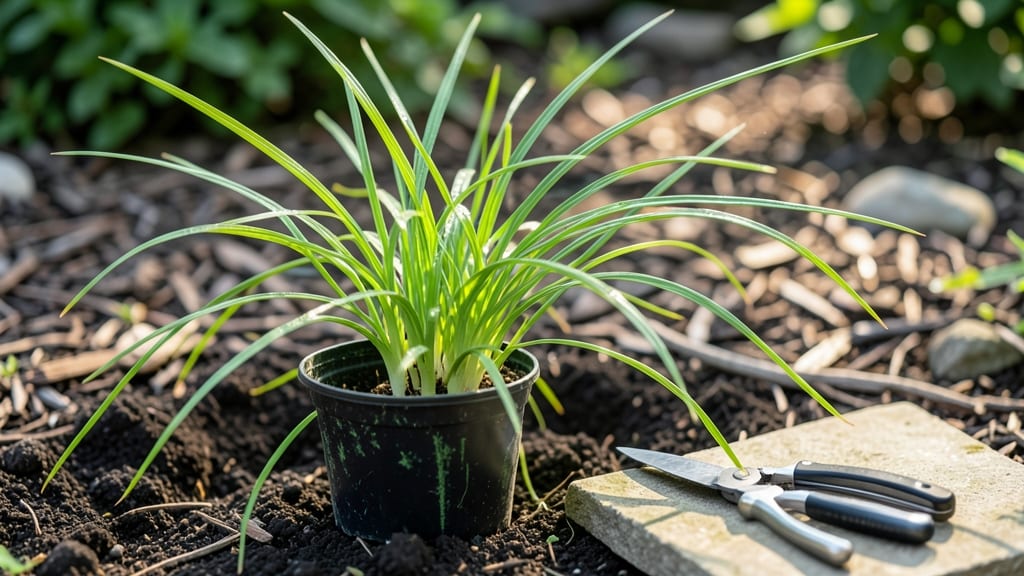
Propagating lemon grass from knife-cut stems is the easiest way to multiply your plants—no fancy tools or green thumbs required. 🌱 I’ve turned a single stalk into a full pot of fragrant plants using just a sharp knife, a glass of water, and a sunny windowsill.
The best part? You’ll see roots in just 2-3 weeks, ready to plant in soil.
Start with healthy, mature stalks—thick, green, and free of brown spots. Cut a 4-6 inch section just below a node (where leaves grow), and remove the lower leaves to expose the stem.
Place it in water, changing it every few days, until roots grow about an inch long. This method works year-round, but spring and summer give the fastest results.
Once rooted, transplant into well-draining soil mixed with sand or perlite. Keep the soil lightly moist (not soggy) and place in bright, indirect light. Your new plants will start growing leaves within 3-4 weeks, and you’ll have fresh lemon grass for cooking or pest control in no time.
Troubleshooting tip: If stems rot, reduce water contact by trimming the base further. Yellow leaves mean too much sun—move to a shadier spot. With this method, you’ll have more lemon grass than you know what to do with in just a few months!
📚 In This Guide
- What you need
- Instructions
- Tips and common mistakes
- Wrapping up and next steps
What you need
- ● Mature lemon grass stalks: Choose healthy, thick stalks (about 1–2 inches in diameter) with at least 3–4 nodes (the bulging sections where roots grow). Aim for 3–5 stalks per propagation attempt.
- ● Sharp knife or pruning shears: A clean, sterilized blade (rubbing alcohol works) to make precise cuts and avoid damaging the plant.
- ● Clean water: Filtered or distilled water (tap water can work if left out for 24 hours to dechlorinate). Use about 1–2 cups per container.
- ● Glass jar or container: A clear, wide-mouth jar (8–16 oz) or a small vase—just enough to submerge the bottom 2–3 nodes of the stalk.
- ○ Optional rooting hormone: A gel or powder (like Rootone) to speed up root growth—especially helpful in cooler climates.
- ● Bright, indirect light: Place your jar near a sunny window (6+ hours of light daily) or under grow lights if natural light is limited.
- ● Warmth: Lemon grass thrives in temperatures between 70–90°F (21–32°C). Avoid drafts or cold spots!
- ● Patience: Roots typically appear in 2–4 weeks, but consistency is key—change water every 3–5 days to prevent bacteria.
- ● A small pebble or mesh screen to keep the stalk upright in the jar.
- ● Humidity dome (like a plastic bag with holes) to create a mini greenhouse effect.
- ● Liquid fertilizer (diluted, like seaweed extract) once roots are 1–2 inches long.
Step-by-step instructions for propagating lemon grass
Here's the foolproof method I use to grow new lemon grass plants from cuttings—no fancy tools or green thumb required.
🪴 Step 1: Select and Prepare Healthy Stems
Choose a mature lemon grass stalk that's at least 12 inches tall with 3-4 inches of hardened base. The base should look firm and have visible nodes (those little bumps where leaves grow out). Cut the stalk diagonally with a clean knife about 1 inch below the base—this gives you a larger surface area for roots to form.
I like to make 2-3 cuts per stalk since lemon grass grows in clumps. Just make sure each cutting has at least 2-3 nodes—those are where the roots will sprout. Rinse the cut end under cool water to remove any sap that might interfere with rooting.
💧 Step 2: Root the Cuttings in Water
Fill a clean glass or jar with room-temperature water until it covers about half the length of the cutting (roughly 1-2 inches). Place the cut end in the water, making sure the nodes stay submerged—this is where roots will emerge. You can use toothpicks to prop it up if needed.
Change the water every 2-3 days to prevent bacteria buildup. I keep my jar on a sunny windowsill (but not in direct sun—6-8 hours of bright, indirect light is perfect). You'll see tiny white roots appear in about 1-2 weeks, growing faster if the water stays fresh and the light is good.
☀️ Step 3: Encourage Strong Root Growth
Once roots reach about 1-2 inches long (usually 3-4 weeks), they're ready for the next step. Keep the water level consistent—never let it dry out completely, but don't submerge the entire stalk. Lemon grass roots need oxygen too!
Here's the thing—if your roots grow long and thin, it means the water's too deep. Trim them back to 1 inch and let them regrow. Strong roots should be thicker and bushier. Once they're 3+ inches long, your cutting is ready to plant.
🌱 Step 4: Transplant to Soil
Fill a 6-inch pot with well-draining potting mix (I mix regular potting soil with 20% perlite to keep it loose). Dig a hole deep enough so the roots sit 1-2 inches below the soil surface—this prevents them from drying out too fast. Gently place the cutting in the hole and firm the soil around it.
Water lightly but thoroughly until it drains from the bottom. Keep the soil evenly moist (not soggy) for the first 2 weeks—this helps the roots adjust. You'll see new leaves emerge in about 3-4 weeks, signaling your lemon grass is thriving.
⏰ Step 5: Care for Your New Plant
Move your potted lemon grass to a spot with full sun (6+ hours daily) once it's established. Water when the top inch of soil feels dry, but avoid letting it sit in water—root rot is the #1 killer of new plants.
After 6-8 weeks, you can fertilize lightly with a balanced liquid fertilizer (half-strength). Your new lemon grass will be ready to harvest in about 3-4 months—just snip the outer stalks, leaving the inner ones to keep growing!
Tips & tricks for perfect lemon grass propagation
Here's what nobody tells you about growing lemon grass from cuttings—these tricks make all the difference between success and frustration.
Selection Tip: Look for stalks with firm, white bases that snap easily when bent—this means they're mature enough to root. Yellowing or mushy bases won't work. I always test a stalk by gently squeezing the base: if it feels rubbery and firm, it's ready. The nodes should be clearly visible and spaced about 1 inch apart. Confession: I skipped this step for years and wondered why my cuttings kept failing!
Water Level Secret: Maintain that 1-2 inch water level religiously—any deeper and you'll get long, weak roots that struggle when transplanted. I use a small glass jar so I can see the water level clearly. If your cutting starts to float, add a few toothpicks to weigh it down just enough to keep the nodes submerged. The roots need oxygen too, so don't submerge the entire stalk!
Light Strategy: That 6-8 hours of bright, indirect light is non-negotiable. I place my jars on an east-facing windowsill where they get morning sun but avoid harsh afternoon rays. If you don't have good natural light, a grow light on a timer works wonders. Watch for roots to turn brown or mushy if the water gets too warm—this means the light's too intense.
Transplant Timing: Wait until roots reach 3+ inches before planting—they need that length to establish themselves in soil. I trim any roots longer than 1 inch before transplanting to encourage bushier growth. The 2 weeks of even moisture after transplanting is crucial; I set up a drip irrigation system for my first few plants to ensure consistent watering.
Pro Tips for Propogate Lemon Grass
- Here's what nobody tells you about growing lemon grass from cuttings—these tricks make all the difference between success and frustration.
- Selection Tip: Look for stalks with firm, white bases that snap easily when bent—this means they're mature enough to root.
- Water Level Secret: Maintain that 1-2 inch water level religiously—any deeper and you'll get long, weak roots that struggle when transplanted.
Frequently asked questions
How long does it take for lemon grass to root in water?
With the right conditions, lemon grass typically roots in 2–4 weeks. Keep the water fresh, avoid direct sunlight, and maintain a temperature above 60°F (15°C). Once roots reach 1–2 inches long, it’s ready for transplanting. Patience is key—rushing can stress the plant!
What if my lemon grass isn’t rooting after 4 weeks?
Don’t worry! Try these fixes:
- Check water quality: Use filtered or rainwater (chlorine can inhibit root growth).
- Adjust light: Move to bright, indirect light (avoid harsh sun).
- Trim the stem: Snip just above a node (growth point) to encourage new roots.
- Boost humidity: Cover with a plastic bag or mist daily.
Can I propagate lemon grass from seeds instead of cuttings?
Yes, but it’s slower and less reliable. Seeds take 3–6 months to mature, while cuttings root in weeks. If you choose seeds, soak them overnight, plant in moist soil, and keep them warm. Cuttings are the easiest and fastest method for beginners!
How do I transition rooted lemon grass from water to soil?
Once roots hit 1–2 inches, gently plant the cutting in well-draining potting mix (sandy loam works best). Water lightly, avoid direct sun for a week, and keep soil moist. After 2 weeks, it should establish roots in soil. Pro tip: Add a handful of compost to boost growth!
Will lemon grass grow indoors year-round?
Lemon grass thrives indoors with 6+ hours of bright, indirect light (a south-facing window or grow light). Keep humidity high (use a pebble tray) and temperatures between 60–90°F (15–32°C). Just avoid drafts—it’s tropical, not frost-hardy!
Can I reuse the water from lemon grass propagation?
Not recommended! The water becomes nutrient-rich and stagnant, which can attract bacteria or fungus. Dump it after 2–3 weeks and refresh with clean water. If you’re eco-conscious, use the old water to fertilize other plants (dilute it first!).
Wrapping up and next steps
Growing your own lemon grass is easier than you think—and now you’ve got the perfect method! 🌱 With just a few simple steps, you can propagate healthy, aromatic stems right from your kitchen. Whether you’re a seasoned gardener or a beginner, this knife-cut water rooting technique is foolproof and rewarding.
Ready to expand your herb garden? Start with just one stalk—soon, you’ll have a thriving patch of lemon grass for cooking, teas, or even natural pest control. Happy growing! 🌿