
How To
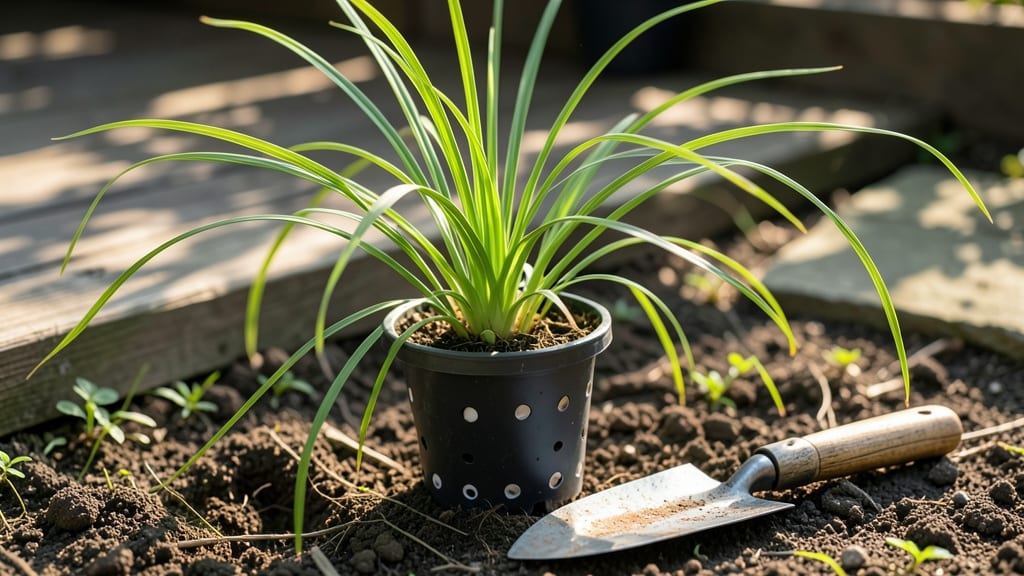
Planting lemon grass 🌿 in a pot is easier than you think—and it’s the secret to fresh, homegrown flavor without a yard.
Imagine harvesting fresh lemon grass year-round from your balcony or patio—no yard required! This aromatic staple for Thai cuisine, teas, and remedies thrives in containers with the right care.
Whether you’re a city dweller with just a windowsill or a gardener with a sunny deck, lemon grass adapts beautifully to pots. The key? Well-draining soil, the right pot size, and a little sunlight trick that keeps it lush and fast-growing.
In this guide, I’ll walk you through every step—from picking the perfect pot to troubleshooting common issues—so you can enjoy year-round harvests without the guesswork.
Step-by-Step guide to planting lemon grass in pots for maximum growth
Lemon grass is one of the easiest herbs to grow in containers, making it perfect for small spaces like balconies or patios. With the right pot size, soil mix, and sunlight exposure, you can enjoy fresh lemon grass year-round without needing a garden.
The key to fast growth lies in mimicking its tropical habitat—well-draining soil, consistent moisture, and bright but indirect light.
Before you start, gather your supplies: a 12-inch diameter pot (or larger), well-draining potting mix, organic compost, and a small amount of perlite or sand for aeration.
Lemon grass roots spread widely but aren’t deep, so a shallow but wide container works best. Avoid small pots—they restrict root growth and stunt your plant’s development.
How to Plant Lemon Grass in a Pot
- 🌱 Step 1: Choose the Right Pot
Select a 12-inch diameter pot with drainage holes. Terracotta pots help wick away excess moisture, preventing root rot. If using plastic, ensure it’s large enough for 3-4 lemon grass stalks per container. - 🌿 Step 2: Prepare the Soil Mix
Combine 60% potting soil, 30% perlite or coarse sand, and 10% compost. This mix ensures good drainage while retaining moisture. Avoid garden soil—it compacts and suffocates roots. - 💧 Step 3: Plant the Stems
Cut 3-4 lemon grass stalks (about 6 inches tall) and remove the lower leaves. Bury the bottom 2 inches of each stalk in the soil, spacing them evenly. Gently press the soil around the stems to secure them. - ☀️ Step 4: Water Thoroughly
Water until moisture drains from the bottom. Lemon grass loves consistently moist soil but hates soggy conditions. After watering, place the pot in a location with 4-6 hours of sunlight daily. - ✂️ Step 5: Maintain Growth
Keep the soil moist but not waterlogged. Fertilize every 4-6 weeks with a balanced 10-10-10 fertilizer during the growing season (spring and summer). Trim any yellow or brown leaves immediately to encourage new growth.
Once planted, your lemon grass should show signs of new growth within 2-3 weeks. The secret to continuous harvests is regular pruning—cut stems when they reach 12-18 inches tall, leaving the lower 2 inches intact.
This encourages thicker, more aromatic regrowth. Just avoid cutting more than 1/3 of the plant at once to prevent stress.
Lemon grass thrives in warmth and humidity, so if you’re in a dry climate, mist the leaves occasionally or place a tray of water nearby. In cooler months, move the pot indoors near a south-facing window to maintain its light needs.
With the right care, your container-grown lemon grass can live for years and provide endless harvests.
One common mistake is overwatering, which leads to yellow leaves and root rot. Always check the soil’s moisture by sticking your finger 1 inch deep—water only if it feels dry.
Another tip: If your lemon grass starts leaning toward the light, rotate the pot quarter-turns every few days to ensure even growth.
For maximum flavor, harvest stems in the morning after the dew has dried. The older the plant, the more intense the citrus aroma becomes. With these steps, you’ll have a thriving lemon grass plant that’s ready for your favorite recipes, teas, or homemade remedies in no time.
🌿
Best soil mix and pot requirements for healthy lemon grass growth
Lemon grass thrives in containers when given the right mix of well-draining soil and proper pot selection. Unlike many herbs, it hates soggy roots, so choosing the wrong pot or soil can lead to root rot or stunted growth.
The key is balancing moisture retention with aeration—lemon grass needs consistent moisture but never waterlogged conditions. Let's break down the best options to keep your plant flourishing year-round.
For soil, I recommend a 50/50 mix of potting soil and sandy loam. This combination ensures proper drainage while retaining enough moisture for the plant's roots. You can also add a handful of perlite or vermiculite to improve aeration.
Avoid heavy garden soil, which compacts easily and suffocates roots. Lemon grass prefers slightly acidic to neutral soil with a pH between 5.5 and 7.0.
When selecting a pot, prioritize drainage holes—they're non-negotiable for lemon grass. Without them, excess water pools at the bottom, leading to fungal infections and root rot. I prefer terracotta pots because they breathe better than plastic, allowing moisture to evaporate more quickly.
However, if you live in a humid climate, plastic pots can help retain moisture longer. Just ensure the pot is at least 12 inches deep and 8 inches wide to accommodate the plant's robust root system.
Another critical factor is the pot material. Terracotta is my top recommendation because it wicks away excess moisture, keeping roots cool and preventing overheating. Plastic pots, while lightweight, trap moisture and can lead to root rot if overwatered.
For extra protection, I line plastic pots with a thin layer of landscape fabric to prevent soil from clogging the drainage holes while still allowing water to escape freely.
Pro tip: If you're using a decorative pot without drainage holes, place it inside a saucer filled with gravel or pebbles. This creates a barrier that catches excess water while still allowing airflow to the roots.
Always check the soil moisture by sticking your finger 1-2 inches deep—if it feels dry, it's time to water. Lemon grass is forgiving but not drought-tolerant, so consistency is key.
Finally, consider the pot's location. Lemon grass needs bright, indirect light for at least 4-6 hours daily. Place your pot near a south-facing window or under a grow light if natural light is limited.
Avoid direct afternoon sun, which can scorch the leaves. With the right soil mix and pot setup, your lemon grass will grow vigorous and aromatic all season long. 🌿