
Lawn
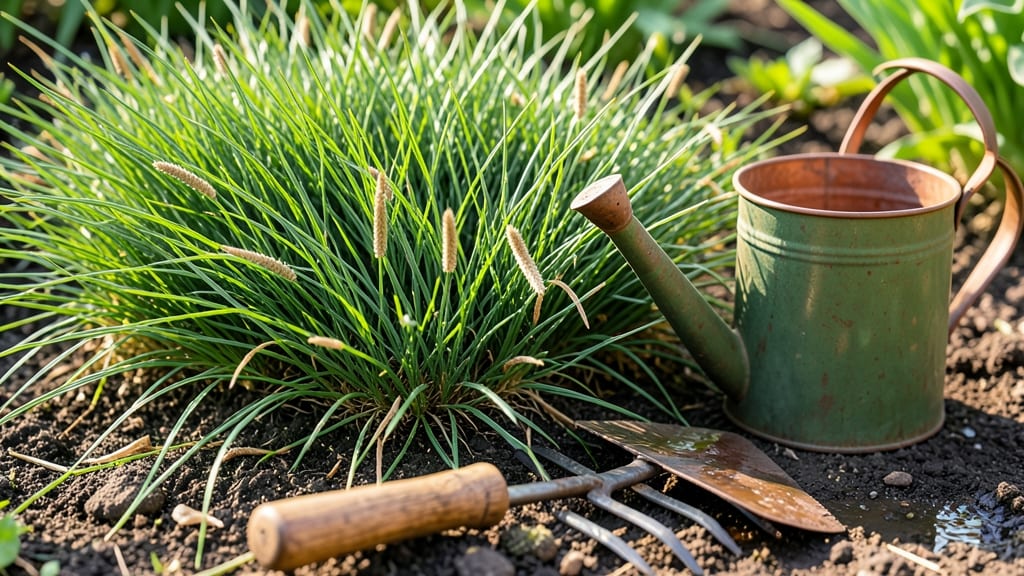
Laying down grass seed transforms a patchy yard into a lush carpet—if you do it right. ✨ I’ve learned the hard way that rushing this step means thin spots, weeds, and extra work down the road.
The secret isn’t just spreading seed; it’s preparing the soil, choosing the right variety, and keeping moisture consistent for those first critical weeks.
Start with bare soil—no grass, no weeds, no rocks. Rake until the surface is smooth and level, then loosen the top 1-2 inches to help roots establish. Choose seed based on your climate and sun exposure (cool-season blends for fall planting, warm-season for spring).
A broadcast spreader ensures even coverage, but hand-spreading works too if you’re patient.
Watering is where most people fail. Keep the soil damp (not soggy) for the first 2-3 weeks—light watering daily is better than deep soaks that dry out the top layer.
In 3-4 weeks, you’ll see sprouts, and by 6-8 weeks, your lawn will be thick enough to handle light foot traffic.
Common mistakes? Skipping soil prep, using too much seed (it won’t grow faster), or letting the soil dry out. Fall planting (late summer to early fall) gives grass roots time to establish before winter—spring planting works too, but requires more watering.
With these steps, you’ll avoid the patchy, weak lawns that frustrate so many gardeners.
📚 In This Guide
- What you need
- Instructions
- Tips and common mistakes
- Wrapping up and next steps
What you need
- ● Grass seed: Choose a type suited to your climate (e.g., cool-season for northern regions or warm-season for southern areas). Aim for 5-10 lbs per 1,000 sq ft, depending on seed blend and coverage goals.
- ● Lawn roller: A 100-150 lb roller (rent or buy) to press seed into soil for better contact.
- ● Broadcast spreader: A handheld or tow-behind model for even distribution (avoid drop spreaders for large areas).
- ● Rake: A plastic or metal garden rake with 1/4-inch tines to loosen soil and level the area.
- ○ Soil test kit (optional but recommended): Check pH and nutrient levels—ideal range is 6.0-7.0. Adjust with lime or fertilizer if needed.
- ● Starter fertilizer: A low-nitrogen (10-10-10 or 20-20-20) blend to kickstart seed growth. Apply 1 lb per 100 sq ft.
- ● Mulch or straw: Lightweight straw or peat moss (avoid hay—it may contain weed seeds). Use 1/4-inch layer to retain moisture.
- ● Water source: A hose with a gentle spray nozzle or irrigation system for consistent watering.
- ○ Weed barrier fabric (optional for bare soil): A biodegradable or woven landscape fabric to block weeds if seeding over rocky or weedy ground.
- ● Seed germination blanket: A biodegradable erosion control mat to protect seeds from wind/water erosion in sloped areas.
- ● Soil conditioner (compost or peat moss): Mix 1-2 inches into topsoil for better seed-to-soil contact.
- ● Lawn seed starter: A water-soluble fertilizer to dissolve in your first watering for instant nutrients.
- ● Knee pads or gloves: Because comfort matters when you’re on your hands and knees for hours!
Step-by-Step guide for laying down grass seed
Here's how I create a lush, even lawn every time—no patchy spots or wasted seed.
🪴 Step 1: Prepare the Soil for Perfect Seed Contact
Start by mowing the existing grass as short as possible—this gives new seed maximum sunlight and soil contact. Remove all debris, rocks, and weeds by hand or with a rake, because even small obstacles block seed-to-soil contact. I like to use a stiff-bristled rake to create a fine, crumbly texture in the top ¼ inch of soil—this ensures seeds nestle into the perfect spot for quick germination.
For bare soil areas, loosen the top 2-3 inches with a garden fork or tiller. Compacted soil repels water and smothers seeds. Test your prep by sprinkling a handful of water—it should soak in within seconds. If it pools, you need to loosen more. This step is critical: poor soil prep is why so many lawns end up patchy.
💧 Step 2: Spread Seed Evenly with the Right Technique
Use a broadcast spreader for large areas or a hand spreader for edges. I always spread seed in two perpendicular directions—first lengthwise, then crosswise—to ensure even coverage. For 4,000 sq ft, use about 10-12 lbs of seed (check your seed packet for exact rates). Walk slowly and overlap passes by 6 inches to avoid thin spots.
Don't let seed pile up in one area—this creates thick clumps that choke out surrounding seeds. Lightly rake the area again after spreading to press seeds into the soil without burying them. Seed needs light to germinate, so only cover with ¼ inch of soil or compost. If you're overseeding an existing lawn, use a slit seeder to deposit seed directly into the soil without disturbing the turf.
☀️ Step 3: Water Gently but Consistently for Germination
Water immediately after seeding to settle the soil and activate germination. Use a gentle sprinkler or hose with a fine mist setting to avoid washing away seed. Keep the soil surface evenly moist (not soggy) for the first 2-3 weeks. I water twice daily—once in the morning and once in the late afternoon—for 10-15 minutes per session. You'll know you're doing it right when the top ½ inch of soil stays damp but not saturated.
Once seedlings reach 2-3 inches tall, reduce watering to 1 inch per week, including rainfall. Let the top layer dry slightly between waterings to encourage deep root growth. Avoid heavy foot traffic or mowing until the new grass reaches 3-4 inches—this prevents damage to delicate roots and crowns.
✂️ Step 4: Maintain New Grass for Long-Term Thickness
Wait until new grass reaches 3-4 inches before your first mow. Set your mower blade to 3 inches to encourage deep root systems and shade out weeds. Never remove more than ⅓ of the blade height at once—this stresses the grass and creates opportunities for weeds. I mow when the grass is dry and always sharpen my blades for clean cuts that heal faster.
Fertilize for the first time 6-8 weeks after seeding, using a starter fertilizer with high phosphorus to promote root development. After that, switch to a general lawn fertilizer in early spring and fall. Overseed thin areas in late summer to maintain density. With consistent care, your lawn will thicken into a uniform carpet within 3-4 months.
Tips & tricks for perfect grass seed laying
Here's what nobody tells you about getting that flawless, even lawn coverage every time.
Soil Prep is Everything: In Step 1, don't just loosen the soil—test it first! After raking the top ¼ inch, sprinkle water and watch how it absorbs. If it pools instead of soaking in, you need to break up that compacted layer deeper. I've seen people skip this test and end up with patchy germination because their soil was too dense. For bare spots, use a garden fork to loosen those 2-3 inches—this creates the perfect seed bed that holds moisture while allowing roots to penetrate easily.
Seed Spreading Technique: The crosswise method in Step 2 works wonders, but here's the secret: walk in a straight line first, then turn exactly 90 degrees for your second pass. Most people wander, which creates uneven coverage. Also, if you're using a hand spreader, fill it halfway first—overfilling causes clumps that block sunlight from reaching seeds below. I've had to re-seed entire sections because of this mistake!
Watering Timing Matters: That 10-15 minute watering session in Step 3 needs to happen at the right time—right after spreading seed when the soil is cool. Early morning watering prevents evaporation, while afternoon sessions help seeds absorb moisture before evening heat dries them out. Pro tip: use a rain gauge to measure your watering—you want that ½ inch of dampness, not guesswork. Overwatering can actually suffocate seeds just as much as underwatering.
Maintenance Aftercare: When your grass reaches 3-4 inches in Step 4, resist the urge to mow too short! That 3-inch setting is crucial for shade-out weed control. I've seen people scalp their new lawns and end up with weeds taking over within weeks. Also, sharpen those mower blades—dull blades tear grass instead of cutting cleanly, which stresses the plants and invites disease.
Pro Tips for Lay Down Grass Seed
- Here's what nobody tells you about getting that flawless, even lawn coverage every time.
- Soil Prep is Everything: In Step 1, don't just loosen the soil—test it first!
- Seed Spreading Technique: The crosswise method in Step 2 works wonders, but here's the secret: walk in a straight line first, then turn exactly 90 degrees for your second pass.
Frequently asked questions
Got questions about laying down grass seed? You’re not alone—many homeowners want to ensure a lush, even lawn without the guesswork. Here are answers to the most common concerns to help you get it right the first time!
When is the best time of year to plant grass seed?
The ideal window is early spring (March–May) or late summer/early fall (August–September). Cooler temps and consistent moisture help seeds germinate faster. Avoid planting in extreme heat or drought—seeds dry out too quickly!
How long does it take for grass seed to grow?
Most seeds sprout in 7–21 days, depending on the type (cool-season vs. warm-season) and weather. Monitor soil moisture daily—keep it damp (not soggy) until you see 1–3 inches of growth. Patience pays off for a thick lawn!
Can I lay grass seed over existing grass?
Yes, but only if your current grass is thin or patchy. Mow the area short, dethatch if needed, and lightly rake to loosen soil. For best results, overseed in fall. Avoid this method if weeds dominate—tackle them first!
What’s the difference between grass seed and sod?
Seed:
Cheaper, takes weeks to grow, requires patience and care. Sod: Instant grass, but pricier and labor-intensive to install. Choose seed for DIYers or large areas; sod for quick results (e.g., new builds or high-traffic spots).
Why did my grass seed fail to grow?
Common culprits:
- Poor soil prep (compacted or rocky ground)
- Inconsistent watering (dry spells or overwatering)
- Weeds or pests (outcompeting seedlings)
- Wrong seed type (e.g., cool-season seed in summer)
Do I need fertilizer when planting grass seed?
Use a starter fertilizer (low nitrogen, high phosphorus) at planting to boost root growth. Skip heavy nitrogen—it burns tender seedlings. Apply a balanced fertilizer (10-10-10) 4–6 weeks after germination for steady growth.
Wrapping up and next steps
You’ve got everything you need to transform your patchy yard into a lush, vibrant lawn! 🌱 Remember, success starts with prep—clearing debris, testing soil, and choosing the right seed for your climate. Stay patient and consistent with watering, and soon, you’ll be rewarded with a thick, green carpet underfoot.
Ready to take the next step? Once your grass is established, consider fertilizing or overseeding to keep it thriving. Happy gardening—your lawn will thank you! 🌿