
How To
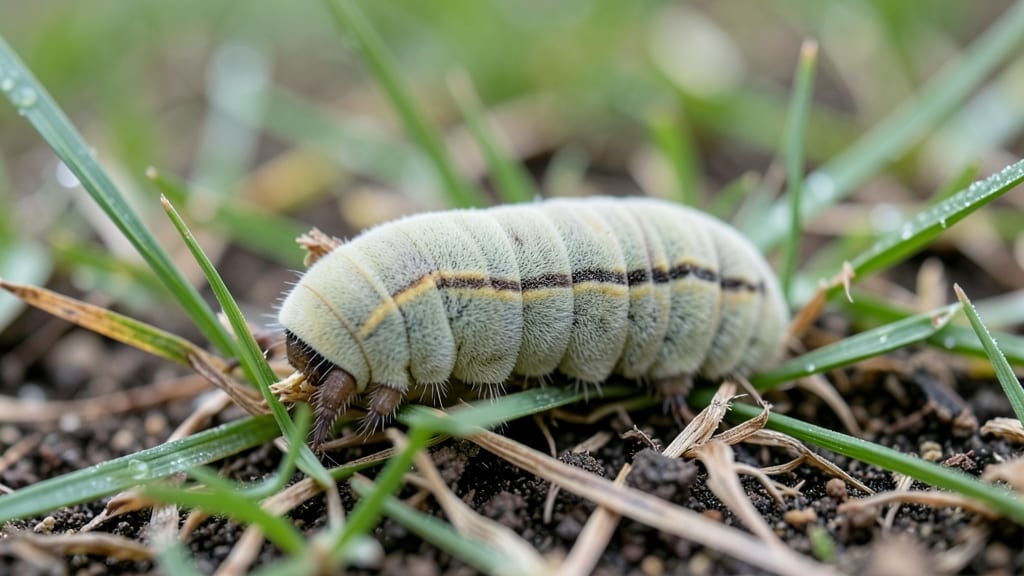
Army worms can turn your lush green lawn into a patchy brown mess in days. 🌱 I’ve seen them strip grass down to the roots, and the good news is you can stop them fast—without harsh chemicals if you act quickly.
The key is catching them early, when they’re still small and clustered in one spot.
These caterpillars hide in the grass during the day, so check for chewed blades or dark brown frass (their poop) as your first clue.
If you find them, don’t panic—manual removal or a targeted spray of Bacillus thuringiensis (a natural bacteria) can eliminate them in 48 hours without harming your lawn or pets. Birds and nematodes also help, but speed is critical.
Once you’ve cleared the infestation, adjust your mowing height to 3 inches or taller—they hate tall grass—and water deeply but infrequently to discourage their favorite moist conditions. A healthy lawn is their worst enemy, and these tweaks keep them from coming back.
This method works for home lawns, sports fields, and even small patches—no matter the size, the principles stay the same. Let’s get your grass back to looking its best.
The Hidden Triggers of Army Worms
Army worms may seem like a sudden, mysterious menace, but their arrival in your grass is rarely random. These voracious caterpillars—larvae of the fall armyworm (Spodoptera frugiperda) or true armyworm (Mythimna unipuncta)—don’t just appear out of nowhere.
Their infestations are the result of a mix of environmental, agricultural, and ecological factors. Understanding these triggers is the first step to preventing future outbreaks and protecting your lawn. Let’s break down the science behind why these pests show up when they do.
Army worms thrive in weak turf because healthy grass can naturally resist their onslaught. When your lawn is under stress, it becomes an all-you-can-eat buffet for these caterpillars. Here’s why:
- Poor Soil Conditions:
Compacted, nutrient-deficient, or overly wet soil stunts grass growth, making blades thin and vulnerable. Army worms target these weakened patches first because they’re easier to devour. Think of it like this: A struggling plant is like a slow runner—easy prey for a predator.
- Drought or Overwatering:
Both extremes create stress. Drought weakens roots, while overwatering suffocates them, leading to yellowing or patchy grass. Army worms detect these stressed areas using chemical cues emitted by the plants.
- Lack of Diversity in Grass Types:
Monoculture lawns (e.g., all Kentucky bluegrass) are more susceptible because army worms have a single food source. Diverse grass mixes disrupt their feeding patterns and make your lawn less appealing.
💡 Pro Tip: Conduct a simple soil test to check pH and nutrient levels. Aim for a pH of 6.0–7.0 and amend soil with compost or fertilizer to strengthen grass resilience.
Army worms are master travelers, and their movements are tied to weather patterns. Here’s how climate plays a role:
- Warm, Moist Conditions:
These caterpillars hate cold but love warmth. Temperatures above 60°F (15°C) trigger their activity, while humidity keeps their skin moist—critical for their survival. Picture this: They’re like snowbirds in reverse, fleeing cold fronts and flocking to cozy, damp lawns.
- Wind and Migration:
Adult moths (their flying stage) can travel hundreds of miles on wind currents. If your area is downwind from agricultural fields or wild grasslands, you’re at higher risk. It’s like being in the path of a caterpillar hurricane.
- Seasonal Peaks:
Outbreaks typically surge in late spring to early summer and again in fall when nights stay warm. This aligns with their life cycle: Eggs hatch in warm conditions, and larvae grow rapidly.
🌡️ Watch For: If your region experiences sudden warm snaps after a cold spell, army worms may arrive en masse. Set up sticky traps or monitor grass for new egg masses during these transitions.
Human activity—especially in farming and lawn care—can inadvertently invite army worms. Here’s how:
| Practice | Why It Attracts Army Worms |
|---|---|
| Excessive Nitrogen Fertilizer | While fertilizer greens up grass, too much makes blades soft and sugary—like a dessert for caterpillars. Army worms seek out these high-protein feasts. |
| Recent Seedings or Sod Installation | Newly planted grass is tender and slow to establish roots. Army worms detect the fresh growth and move in to strip it before it strengthens. |
| Adjacent Crop Fields (Corn, Sorghum, etc.) | Army worms love corn and other grains. If your lawn borders a farm, moths will lay eggs nearby, knowing your grass is a backup food source. |
| Weedy or Unmowed Areas | Tall grass and weeds provide hiding spots for larvae during the day. They emerge at night to feed, making detection harder. |
✨ Prevention Hack: If you live near farmland, mow high (3–4 inches) and avoid late-season nitrogen to reduce appeal. Consider planting clover or other deep-rooted ground covers to disrupt their feeding patterns.
Army worms aren’t the only players in your lawn’s ecosystem. Their populations explode when their natural enemies disappear. Here’s why predators might be missing in action:
- Pesticide Overuse:
Broad-spectrum insecticides (like neonicotinoids) kill not just army worms but also their predators: birds, toads, spiders, and parasitic wasps. Without these checks and balances, army worm numbers spiral.
- Habitat Loss:
Urban sprawl and monoculture lawns eliminate diverse microhabitats where predators thrive. For example, American robins need bare soil to forage—something dense turf doesn’t provide.
- Seasonal Timing:
Some predators (like lady beetles) emerge after army worms have already hatched. By the time they arrive, the damage is done.
🔥 Eco-Friendly Fix: Encourage predators by:
- Leaving small patches of bare soil or mulch for insects.
- Avoiding systemic pesticides (opt for Bt or horticultural oil instead).
- Installing a birdhouse or toad-friendly garden nearby.
Quick Fixes for Army Worm Damage
Army worms may seem like a tiny but terrifying foe, but with the right approach, you can reclaim your lawn in 48 hours or less—without harsh chemicals. Below, we’ve mapped out practical solutions based on the root cause of your infestation, from immediate action to long-term prevention.
Each fix is designed to be easy, effective, and eco-friendly, so you can tackle the problem head-on while keeping your grass (and wallet) healthy.
Before diving into treatments, confirm you’re dealing with army worms (not cutworms or other pests). Look for:
- Fringed, brownish-gray larvae (1–2 inches long) hiding in grass blades.
- Chewed grass that looks like a swath of straw—often in circular or irregular patches.
- Birds perched on your lawn (they’re natural predators and often alert you to the problem!).
Pro Tip: 🔍 Shake a handful of grass over a white bucket or tarp in the morning. If tiny worms drop out, you’ve got an infestation.
👨🍳 Hand-Picking & Trapping (Best for Small Infestations)
If your lawn is under 100 sq. ft. affected, manual removal is your best bet—it’s free, chemical-free, and satisfying to see those pests go!
- Go early: Army worms are sluggish in the cool morning hours (before 9 AM). Grab a bucket of soapy water (1 tbsp dish soap + 1 gallon water) or a sealed plastic bag.
- Shake & scoop: Vigorously shake grass clumps over the bucket or bag. Worms will fall out—drown them in soapy water or smash them in the bag.
- Repeat daily for 3–5 days to catch newly hatched larvae.
Pro Tip: 🌡️ Do this when temps are below 80°F—worms are less active and easier to catch!
🥘 Biological Controls: Let Nature Do the Work
Encourage (or introduce) army worm predators to naturally thin out the population:
| Predator | How to Attract/Use It | Effectiveness |
|---|---|---|
| Chickens/Guinea Fowl | Let them forage on your lawn (free-range style) for 1–2 hours. They’ll gobble up worms! | ⭐⭐⭐⭐⭐ |
| Parasitic Wasps | Buy beneficial nematodes (Heterorhabditis bacteriophora) or Trichogramma wasps online. Release at dusk. | ⭐⭐⭐⭐ |
| Toads & Frogs | Create a shallow water source (like a saucer of water) to lure them in. They eat worms 24/7. | ⭐⭐⭐⭐ |
| Ducks | Rent or borrow ducks for a day—they’re voracious worm hunters. Avoid overgrazing, though! | ⭐⭐⭐⭐⭐ |
Pro Tip: ✨ If you have birds visiting your lawn, don’t shoo them away! Robins, starlings, and grackles love army worms and will help control the population.
🔪 Organic Sprays: Fast-Kill Without Chemicals
For larger areas (or if you’re short on time), these non-toxic sprays will kill worms on contact while being safe for pets and kids (once dry):
- BT (Bacillus thuringiensis) Spray
- How to use: Mix 1 tbsp BT powder (like Xentari or Dipel) with 1 gallon water. Spray evenly on affected areas at dusk.
- Why it works: BT produces a toxin that only army worms digest, killing them within 48 hours.
- Reapply every 5–7 days until no more worms appear.
- Neem Oil Spray
- How to use: Mix 1 tbsp neem oil + 1 tsp mild soap + 1 quart water. Spray directly on grass blades (avoid hot sun—it burns grass).
- Why it works: Disrupts worm feeding and repels future eggs.
- Best for: Prevention + light infestations.
- Spinosad (Organic Insecticide)
- How to use: Use Captain Jack’s or Garden Safe Spinosad (follow label rates). Spray at dusk for best results.
- Why it works: Derived from fermentation of soil bacteria, it’s highly effective but safe for bees after drying.
Pro Tip: 🎯 Combine methods for best results! For example: Hand-pick in the morning + spray BT at dusk = double the damage to worms.
Once you’ve kicked the army worms out, break their cycle with these low-maintenance strategies:
- 🌱 Maintain Healthy Grass
- Mow high (3–4 inches) to shade soil and deter egg-laying moths.
- Aerate & overseed in fall to thicken grass (worms love thin, weak turf).
- Water deeply but infrequently (1–1.5 inches per week). Wet grass = happy worms (they thrive in damp conditions).
- 🕷️ Encourage Predators Year-Round
- Leave leaf litter in shady areas—it provides habitat for toads and spiders.
- Plant native wildflowers (like milkweed or dill) to attract beneficial insects.
- Install a small pond or birdbath to draw in frogs and birds.
- 🚫 Disrupt Moth Breeding
- Remove thatch (layer of dead grass) in spring—moths lay eggs here!
- Use pheromone traps (like Army Worm Moth Traps) to catch males before mating.
- Avoid broad-spectrum pesticides (they kill natural predators like ladybugs and lacewings).
- 🗓️ Seasonal Checkups
- Inspect lawn every 2 weeks from May–September (peak army worm season).
- After rain, check for new worm activity—moisture triggers hatching.
Pro Tip: 💡 Diatomaceous earth (food-grade) can be sprinkled lightly on dry grass as a deterrent, but reapply after rain—it loses effectiveness when wet.
Army worms may be sneaky and destructive, but with these targeted fixes, you can eliminate them fast and keep them from coming back. Start with manual removal or BT spray for immediate relief, then build a predator-friendly lawn to prevent future invasions.
Your grass will thank you—and so will your wallet!
Frequently asked questions
How do I know if I have army worms and not another type of grass pest?
Look for fringed, brownish-gray caterpillars (1–2 inches long) hiding in grass blades during the day. Their damage appears as chewed grass resembling straw in irregular patches, often with dark brown frass (poop) scattered around. Unlike cutworms, army worms create large, ragged holes rather than clean cuts at the base of blades.
Is Bacillus thuringiensis (BT) safe for pets and kids once it dries?
Yes! BT is non-toxic to humans, pets, and beneficial insects once it dries. It only affects caterpillars like army worms when ingested. However, avoid spraying when pets or children might come into contact with wet grass. Wait 24 hours before allowing them back on treated areas.
Can I use neem oil or BT spray if I have a vegetable garden nearby?
Both are organic and safe for vegetable gardens when used correctly. Neem oil may repel bees temporarily, so apply at dusk when pollinators are less active. BT is selective and won’t harm plants or beneficial insects. Always follow label instructions for application rates.
Why do army worms keep coming back even after I treat them?
New infestations often happen because adult moths keep laying eggs (they can travel hundreds of miles on wind currents). To break the cycle, combine treatments: Use BT spray for existing worms, remove thatch (where eggs hide), and encourage predators like birds or toads. Check your lawn every 2 weeks during warm months.
Will mowing my lawn higher help prevent army worms?
Mowing grass to 3–4 inches creates shade that deters egg-laying moths and makes it harder for worms to hide. Taller grass also thickens turf, making it less appealing to feed on. However, avoid cutting more than 1/3 of the blade height at once—this stresses grass and attracts pests.