
Lawn
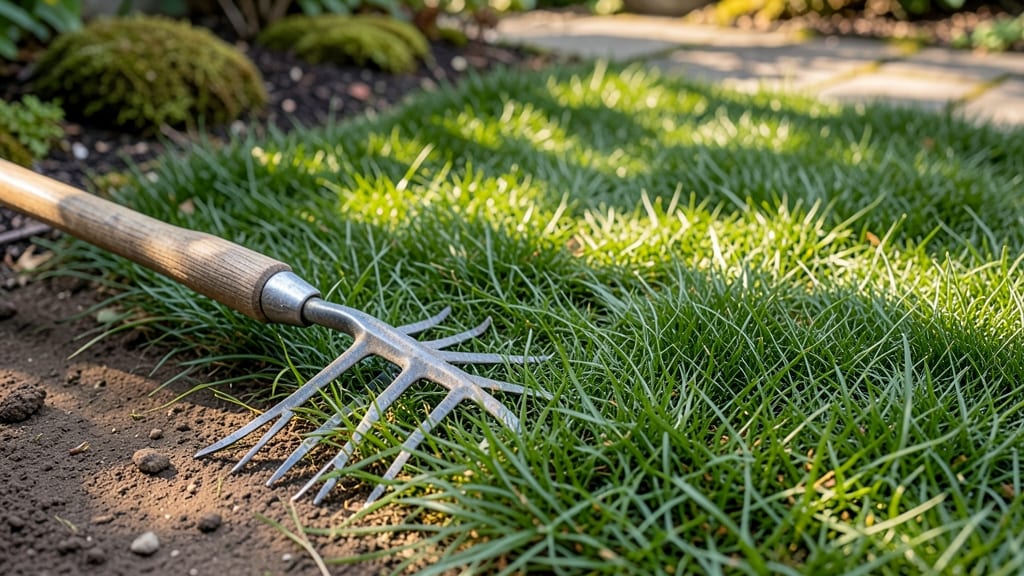
Growing garden grass that stays lush year-round starts with the right soil prep and grass type. 🌱 My first attempt with clumpy soil and the wrong seed mix ended in patchy, thin growth—but I learned fast.
The secret is loosening the soil, choosing the right grass variety for your climate, and sticking to a simple watering routine.
You’ll need basic tools: a rake, a lawn roller, and either grass seed or sod. For most gardens, a mix of cool-season (like Kentucky bluegrass) and warm-season (like Bermuda) grasses works best.
Cool-season grasses handle winter better, while warm-season types thrive in summer heat. Test your soil first—amending with compost makes all the difference.
Once planted, keep the soil moist but not soggy for the first few weeks. Water deeply twice a week (or daily in extreme heat), then taper off as roots establish.
By month 3, you’ll have a dense, green lawn that resists weeds and stays vibrant through seasons. The key? Consistency in watering and mowing at the right height.
For shady spots, try fine fescue; for sun, opt for zoysia. Ornamental grasses like maiden grass add texture without needing frequent maintenance. Whether you’re fixing bare patches or starting fresh, this method works for any yard size. Let’s get that grass growing!
📚 In This Guide
- What you need
- Instructions
- Tips and common mistakes
- Wrapping up and next steps
What you need
- ● Seed or sod: Grass seed (e.g., Kentucky Bluegrass, Fescue, or Bermuda) – 20–50 lbs per 1,000 sq ft (check seed bag for coverage rate).
- ● OR Pre-grown sod rolls – 1 roll per 10 sq ft (varies by thickness).
- ● Soil: Topsoil (2–4 inches deep) for seed planting.
- ● Compost (1–2 inches) to improve drainage and fertility.
- ● Tools: Garden rake (for leveling soil).
- ● Shovel or spade (for digging).
- ○ Lawn roller (optional but helpful for seed beds).
- ● Broadcast spreader (for even seed distribution).
- ● Water hose with adjustable nozzle (gentle spray setting).
- ● Fertilizer: Slow-release grass-specific fertilizer (e.g., 10-10-10 or 16-4-8) – 1 lb per 100 sq ft.
- ● Sunlight: 6+ hours of direct sun daily (most grasses thrive here).
- ● Drainage: Well-draining soil (avoid low spots where water pools).
- ● Weather: Best planting time: Early spring or fall (avoid extreme heat/cold).
- ● Consistent moisture (1 inch per week for first 4–6 weeks).
- ○ Optional (but handy!): Weed barrier fabric (to block weeds).
- ● Soil test kit (check pH—ideal range: 6.0–7.5).
- ● Mulch (straw or peat moss to retain moisture).
Step-by-step guide to establishing a lush garden grass lawn
Here’s how to grow thick, vibrant grass with minimal fuss—no green thumb required.
🌱 Step 1: Prepare the Soil for Optimal Growth
Start by removing all weeds, rocks, and debris from your lawn area. Use a rake to level the ground and break up any compacted soil—grass roots need loose, aerated soil to spread properly. If your soil feels hard or clumpy, mix in 2-3 inches of compost to improve drainage and fertility. This step ensures your grass gets the nutrients it needs right from the start.
Test the soil pH with a simple kit—ideal grass pH is between 6.0 and 7.0. If yours is too acidic or alkaline, adjust it with lime (to raise pH) or sulfur (to lower it) a few weeks before planting. Don’t skip this; the right pH makes all the difference in how well your grass takes root.
🪴 Step 2: Choose and Spread Grass Seed Evenly
Pick a grass seed blend suited to your climate and sun exposure—cool-season grasses like Kentucky bluegrass thrive in northern regions, while Bermuda or Zoysia work better in southern heat. For a 4,000-square-foot lawn, you’ll need about 8-10 pounds of seed. Spread half the seed in one direction, then the other half perpendicular to the first to avoid gaps.
Lightly rake the seed into the soil just enough to cover it—about ¼ inch deep. Press it down gently with a lawn roller or your foot to ensure good seed-to-soil contact. Overwatering now will wash the seeds away, so keep it light until germination begins.
💧 Step 3: Water Consistently for Germination
Water the seeded area lightly but frequently—about ¼ inch of water per day—to keep the soil moist but not soggy. You’ll know it’s right when the top ½ inch of soil stays damp without puddling. Use a sprinkler with a gentle setting or a hose with a fine mist nozzle to avoid disturbing the seeds.
Germination usually takes 7-21 days, depending on the grass type and weather. Once you see 50% of the seeds sprouting, you can gradually increase watering to ½ inch per week, splitting it into two sessions (morning and evening) to prevent fungal growth. Avoid walking on the new grass until it’s 3-4 inches tall—it’s fragile at first.
☀️ Step 4: Maintain Mowing and Fertilizing for Thick Grass
Wait until the grass reaches 3-4 inches tall before your first mow. Set your mower blade to 3-4 inches high—taller grass shades out weeds and develops deeper roots. Never cut more than ⅓ of the grass blade at once; this prevents stress and promotes density.
Fertilize 4-6 weeks after germination with a slow-release, nitrogen-rich lawn fertilizer. Follow the package rates, but never exceed them—too much fertilizer burns grass. Water deeply after applying to help nutrients reach the roots. Repeat every 6-8 weeks during the growing season for a lush, green lawn.
✂️ Step 5: Address Common Issues for Long-Term Success
If you notice brown patches, check for watering issues—either too little or too much. Grass needs 1-1.5 inches of water per week, including rain. For weeds, pull them by hand when young or spot-treat with a vinegar-based herbicide (avoid harsh chemicals that kill grass too).
Thin or patchy grass often means soil compaction or poor drainage. Aerate your lawn in early fall by renting a core aerator to pull small soil plugs and let air and water penetrate. Top-dress with a thin layer of compost afterward to feed the roots. With consistent care, your lawn will thicken and stay green year-round.
Tips & tricks for perfect garden grass growth
Between us, these little details make the difference between a patchy lawn and that envy-inducing green carpet. Let me share what I've learned after watching too many lawns fail.
Soil Prep is Non-Negotiable: Don't just skim the surface when prepping soil. Use a garden fork to break up compacted areas down at least 4-6 inches deep—this is where the roots will actually grow. I've seen people miss this step and struggle with poor germination for years. The extra 10 minutes now saves hours of frustration later.
Seed Selection Matters More Than You Think: That 8-10 pounds of seed for 4,000 square feet should be a blend suited to your climate. If you're in a hot southern region, don't use cool-season grasses—they'll brown out in summer. I learned this the hard way after replanting a failed Kentucky bluegrass lawn in Florida. Check the seed bag for sun exposure recommendations.
Watering Technique is Everything: When you're keeping that ¼ inch of water per day during germination, use a rain gauge or tuna can to measure—your sprinkler might be delivering way more than you think. I've seen people drown their seeds because they assumed "light watering" meant a quick sprinkle. The soil should feel like a damp sponge, not a swamp.
Mowing Height Has Long-Term Payoffs: That 3-4 inch height isn't just about looks—it's about survival. Taller grass develops deeper roots that can withstand drought better. I've seen lawns recover from drought when shorter grass in neighboring yards turned brown. The tradeoff is worth it for that year-round resilience.
Pro Tips for Grow A Garden Grass
- Between us, these little details make the difference between a patchy lawn and that envy-inducing green carpet.
- Soil Prep is Non-Negotiable: Don't just skim the surface when prepping soil.
- Seed Selection Matters More Than You Think: That 8-10 pounds of seed for 4,000 square feet should be a blend suited to your climate.
Frequently asked questions
Got questions about growing your own garden grass? You’re not alone!
Here are answers to the most common queries to help you achieve that lush, low-maintenance lawn—without the hassle.
How long does it take for garden grass to fully establish?
Most garden grass varieties take 4–6 weeks to germinate and 6–12 weeks to fully establish, depending on the seed type and climate. Cool-season grasses (like fescue) sprout faster in spring/fall, while warm-season grasses (like Bermuda) thrive in summer. Pro tip: Keep soil moist but not soggy during germination for the best results!
Can I grow garden grass year-round, or should I wait for a specific season?
It depends on your grass type and climate! Cool-season grasses (e.g., Kentucky bluegrass) grow best in spring/fall, while warm-season grasses (e.g., Zoysia) thrive in summer. In mild climates, you can plant year-round, but spring or early fall is ideal for most regions. Check your USDA hardiness zone for tailored timing.
Is garden grass more expensive than traditional turfgrass?
Not necessarily! While some specialty garden grass seeds (like ornamental varieties) may cost more upfront, they often require less water, fertilizer, and mowing than conventional turf. Over time, the savings on maintenance can outweigh the initial investment. Plus, many hybrid or drought-resistant options are now affordable.
What do I do if my garden grass isn’t germinating?
First, check your soil temperature—most seeds need 50–70°F to sprout. If the soil is too dry, water gently but consistently (about ¼ inch daily). If mold appears, reduce watering and improve drainage. Troubleshooting tip: Lightly rake the soil before reseeding to ensure good seed-to-soil contact.
Can I mix garden grass with other plants (like clover or wildflowers)?
Many garden grasses pair beautifully with clover, creeping thyme, or native wildflowers for a low-maintenance, pollinator-friendly lawn. Just ensure the plants have similar water and sunlight needs. For example, fine fescue mixes well with white clover, while Bermuda grass thrives alongside drought-tolerant sedums.
Do I need special tools to maintain garden grass?
Not necessarily! A basic rake, garden hose with a gentle spray nozzle, and a string trimmer suffice for most varieties. However, some ornamental grasses may require sharp shears or hedge trimmers for shaping. Skip the lawnmower! Many garden grasses grow in clumps and don’t need frequent cutting.
Wrapping up and next steps
Growing your own lush garden grass is simpler than you think—and the rewards are endless! Whether you’re aiming for a vibrant lawn, a low-maintenance green space, or even a mini "garden" for pets, the key is consistency, patience, and a little creativity.
With the right soil, seeds or sod, and a sprinkle of care, you’ll soon enjoy a year-round green oasis that feels like a breath of fresh air. 🌱
Ready to take the next step? Start small—pick a sunny patch, gather your supplies, and dive in! And if you hit a snag? Don’t stress—every gardener learns as they grow. Happy planting! 🌟