
Lawn
Tired of mowing, watering, and maintaining grass lawns? These 10 drought-resistant groundcovers replace grass with lush, low-maintenance alternatives that thrive with minimal care and conserve water—ideal for eco-conscious gardeners and busy homeowners alike.
Creeping Thyme Groundcover for Pollinator Gardens
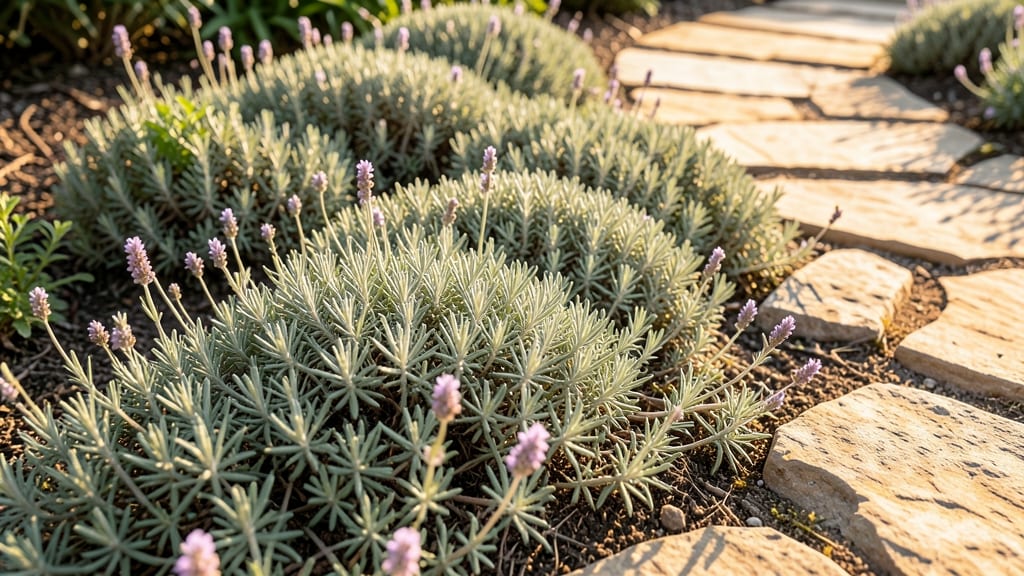
If you want a groundcover that smells like a spa retreat while doing the work of a pest-repelling, bee-magnet, and drought warrior, creeping thyme is your answer. This hardy perennial spreads effortlessly in full sun, creating a fragrant carpet that thrives on neglect—perfect for edging pathways or filling gaps between rocks where grass would gasp for air.
Plant creeping thyme in well-draining soil and water lightly until established—after that, it’s nearly indestructible. Its tiny purple flowers in late spring attract pollinators, while its strong scent deters deer and rabbits. For best results, shear back in early spring to encourage dense growth, but otherwise, let it spread naturally. It’s ideal for rock gardens, slopes, or sunny borders where other plants might struggle.
This groundcover is a game-changer for gardeners who want beauty without the upkeep—especially in dry climates or areas with poor soil. Even beginners will love how it thrives with almost no fuss. 🌿
World’s Best Sedum (Stonecrop) for Drought-Prone Areas
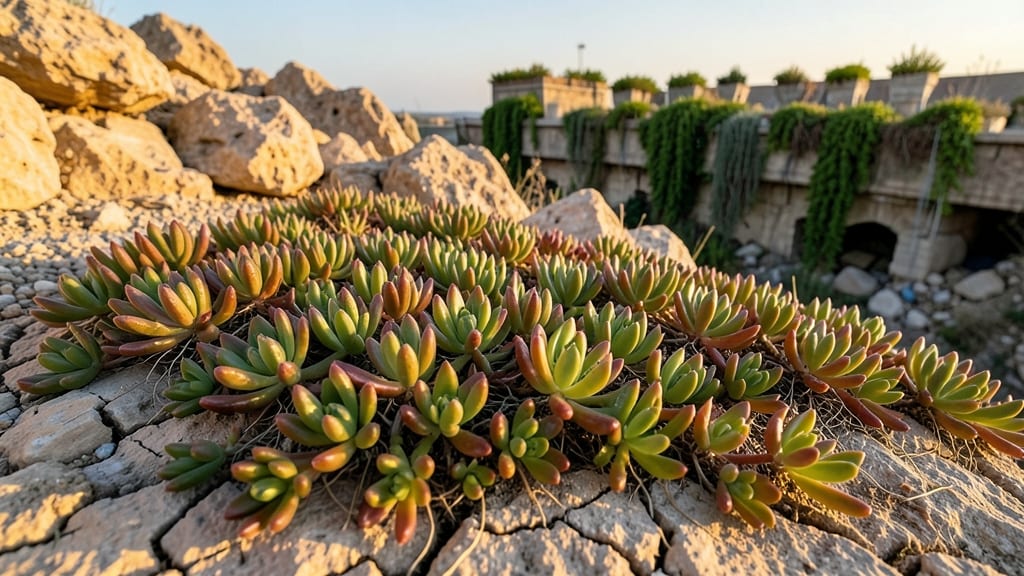
When your yard looks more like a desert than a garden, sedum (stonecrop) becomes your secret weapon. This succulent-like groundcover stores water in its plump leaves, making it the ultimate survivor in drought-prone zones, rocky slopes, or even rooftop gardens where grass would gasp for air.
Choose varieties like 'Dragon’s Blood' for deep red foliage or 'Autumn Joy' for late-season blooms. Plant in well-draining soil and water sparingly—once established, sedum thrives on rainfall alone. It spreads quickly but stays contained, perfect for urban rooftops or steep hillsides where other plants fail.
For gardeners who hate maintenance but love drama, sedum delivers year-round interest with minimal effort. It’s the ultimate "plant it and forget it" solution for hot, dry climates. 🌻
Moss for Shady, High-Maintenance Lawn Replacements
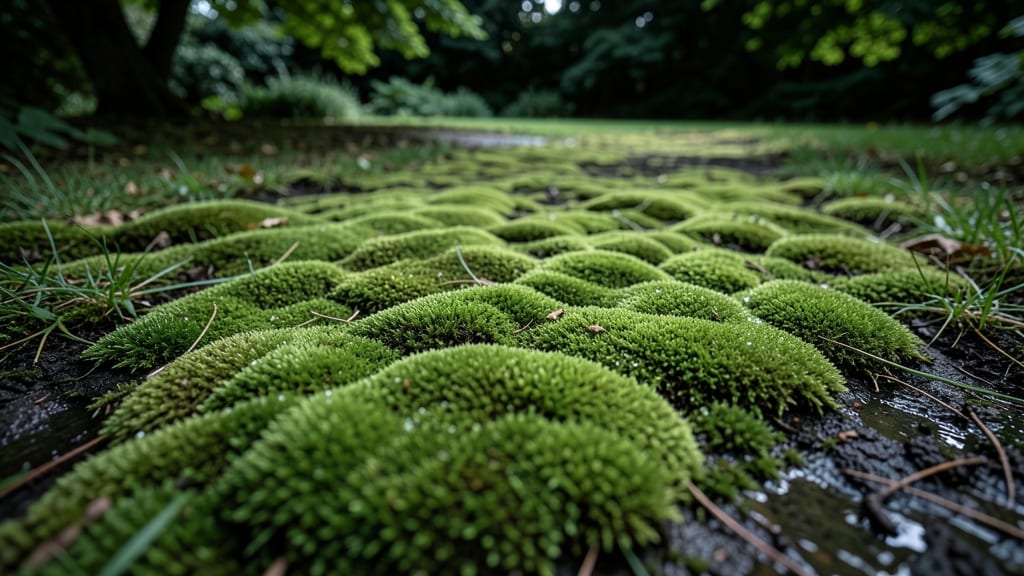
If your yard is a shady, soggy mess where grass refuses to grow, moss might be the secret weapon you’ve been overlooking. Unlike thirsty lawns, moss thrives in damp, low-light conditions, turning problem areas into a velvety green carpet that requires zero upkeep—no mowing, no fertilizing, and no weeding.
Moss spreads naturally by releasing spores, creating a dense, year-round groundcover that stays lush even in winter. It’s ideal for poorly drained soil or areas under trees where grass struggles. To establish it, simply rake the area to remove debris, mist regularly to keep it moist, and avoid foot traffic until fully settled.
This is the perfect solution for eco-conscious gardeners or those with high-maintenance yards—especially in Pacific Northwest climates or anywhere with shade and moisture. Once established, moss is nearly indestructible and adds a serene, woodland feel to any space. 🌿
Clover Lawn Alternative for Pet-Friendly Yards
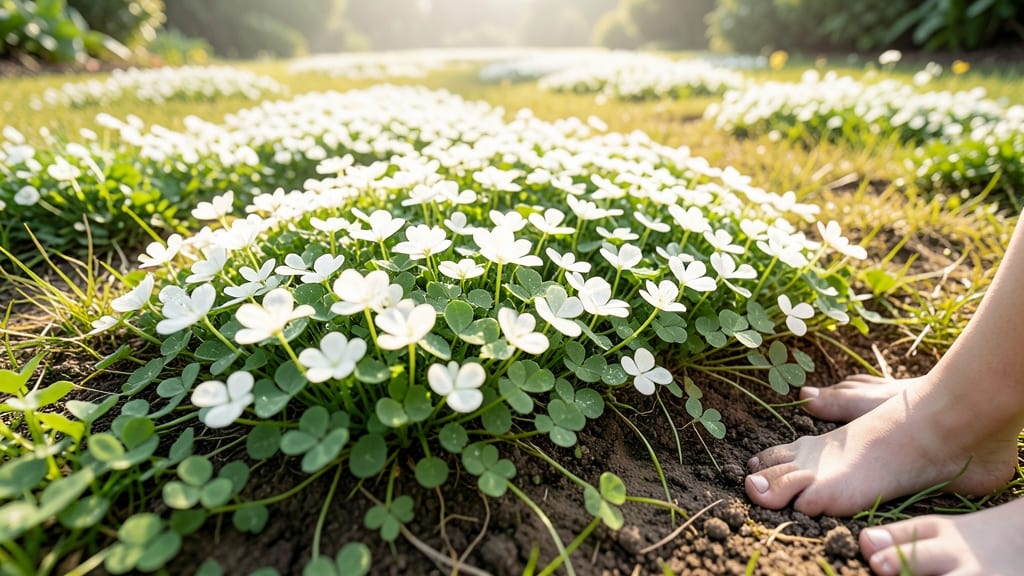
Tired of synthetic fertilizers and patchy grass? White Dutch clover transforms your lawn into a living ecosystem that feeds itself while staying soft underfoot—perfect for families with pets and kids.
This hardy groundcover fixes nitrogen in the soil, eliminating the need for chemical fertilizers while crowding out weeds naturally. It stays green through mild winters and recovers quickly from foot traffic, making it ideal for play areas. Simply overseed existing lawns in early fall for best results—no tilling required.
Pet owners and organic gardeners will love how clover stays lush without pesticides or herbicides, while also supporting pollinators with its delicate yellow flowers. 🌱
Ajuga (Bugleweed) for Year-Round Color and Spread
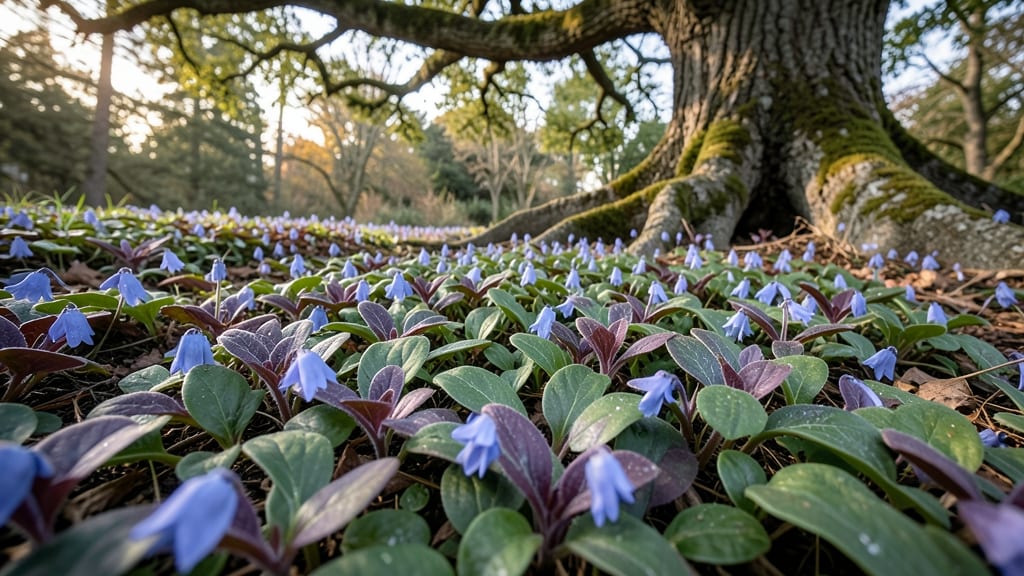
Tired of patchy grass under trees where sunlight barely reaches? Ajuga (bugleweed) transforms those shady spots into a vibrant, weed-free carpet with striking purple foliage and delicate blue flowers that bloom from spring to summer.
This hardy perennial spreads aggressively—outcompeting weeds naturally—while thriving in partial to full shade. It’s drought-tolerant once established and handles moist soil, making it ideal for borders, woodland gardens, or understory plantings. Simply divide clumps every few years to control its spread.
Perfect for gardeners who want year-round interest with minimal effort, ajuga adds texture and color where grass gives up. 🌿
Ice Plant (Delosperma) for Sunbaked, Low-Water Landscapes
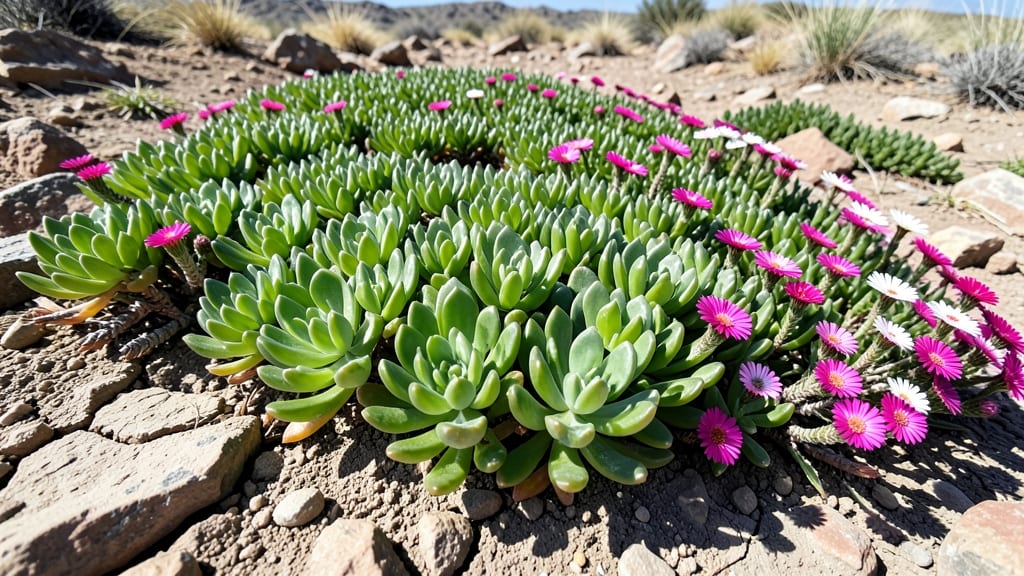
If you live in a sunbaked region where grass wilts by noon, ice plant (Delosperma) is your drought-proof superhero. This succulent groundcover thrives in full sun, blooms repeatedly with vibrant daisy-like flowers, and survives on rainfall alone—no irrigation needed.
Perfect for poor soil and rocky landscapes, ice plant spreads quickly while suppressing weeds. Choose varieties like Delosperma cooperi for magenta blooms or Delosperma 'Fire Spinner' for fiery orange flowers. Plant in late spring after frost risk passes, spacing clumps 6-12 inches apart for full coverage.
Ideal for Mediterranean or desert climates, this groundcover replaces thirsty grass with a low-maintenance, pollinator-friendly alternative. 🌻
Liriope (Monkey Grass) for Edging and Moisture Retention
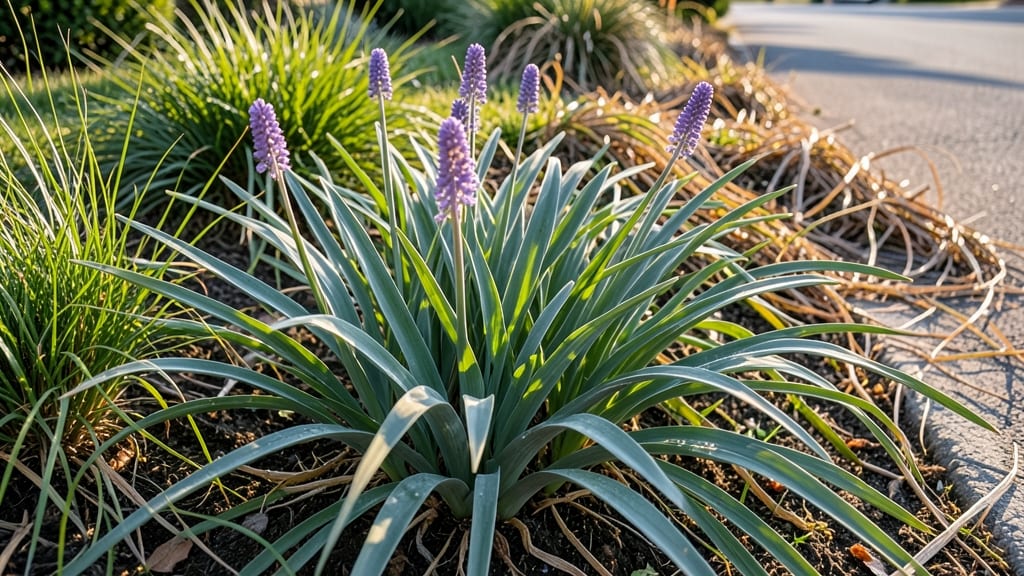
Tired of invasive grasses taking over your yard? Liriope (Monkey Grass) is a game-changer—this semi-evergreen groundcover spreads quickly while staying neatly contained, making it perfect for edging paths, driveways, or replacing grass in high-moisture areas.
Unlike traditional grass, liriope thrives in both wet and dry conditions, handles foot traffic, and produces striking purple flower spikes in late summer. It’s also deer-resistant and requires minimal mowing—just a quick trim with shears once or twice a year. Plant in full sun to partial shade for best results.
Ideal for urban gardeners or anyone looking to reduce lawn maintenance, liriope adds structure and beauty without the upkeep. 🌱
Lamb’s Ear for Soft Textures and Child-Friendly Gardens
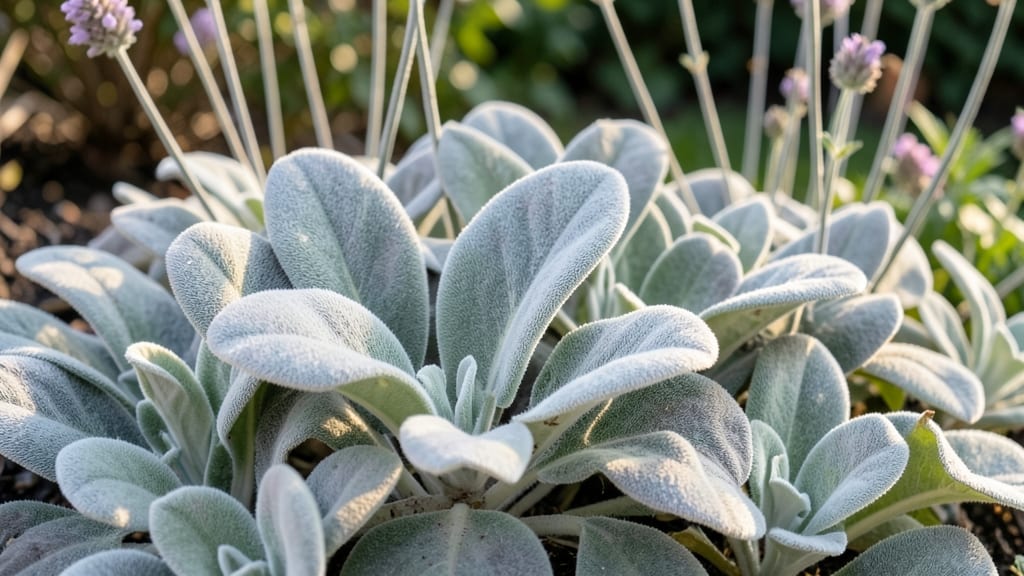
Want a groundcover that feels as inviting as it looks? Lamb’s ear (Stachys byzantina) delivers velvet-soft silver-gray leaves that invite touch, making it a sensory garden star. Its fuzzy texture repels pests naturally while adding a whimsical, child-friendly touch to play areas or borders.
This hardy perennial thrives in full sun to partial shade and tolerates poor soil, needing only occasional watering once established. Plant clumps 12–18 inches apart for full coverage—its slow but steady spread creates a lush, carpet-like effect without invasive roots.
Perfect for families, therapists creating sensory gardens, or anyone who wants a low-maintenance, pest-resistant alternative to grass. The silvery foliage also reflects sunlight, reducing heat absorption in sunny spots. 🌟
Vinca (Periwinkle) for Evergreen Cover in Warm Climates
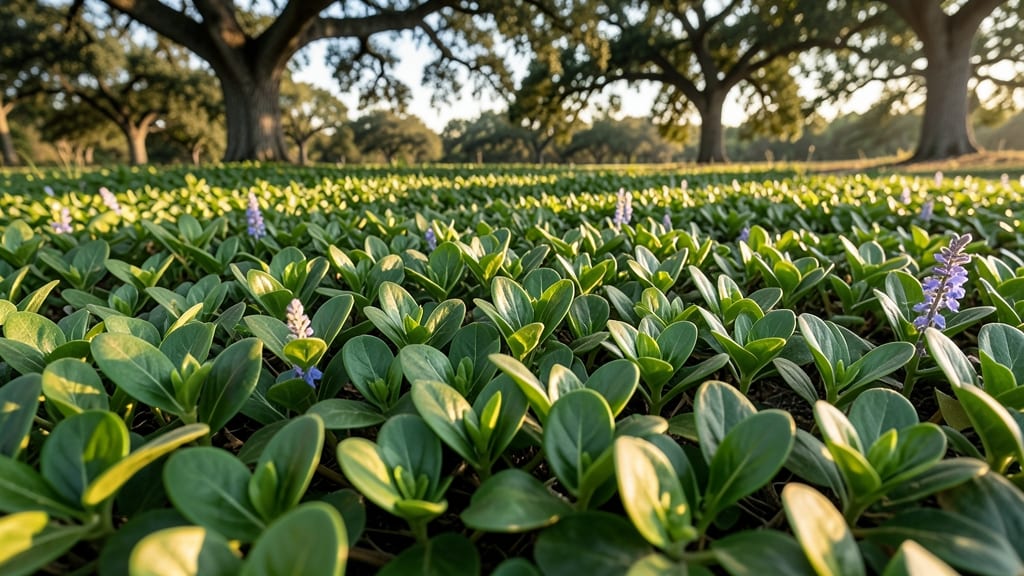
If you live in the Southern U.S. and want a year-round green carpet that thrives in heat and shade, vinca (periwinkle) is your secret weapon. Unlike grass, it doesn’t wilt in summer or brown in winter, and its aggressive spread means weeds stand no chance.
This hardy groundcover handles full sun to deep shade, tolerates poor soil, and blooms with vibrant purple flowers in spring. Plant 4-inch spaced plugs in early spring or fall, water lightly until established, and watch it fill gaps faster than grass ever could. It’s also deer-resistant, making it a smart choice for rural properties.
Perfect for busy gardeners or those replacing high-maintenance lawns, vinca turns problem areas—like shady corners or sunny slopes—into lush, low-effort groundcover. Once established, it’s nearly indestructible. 💪
Hosta Varieties for Shade-Loving Groundcover Solutions

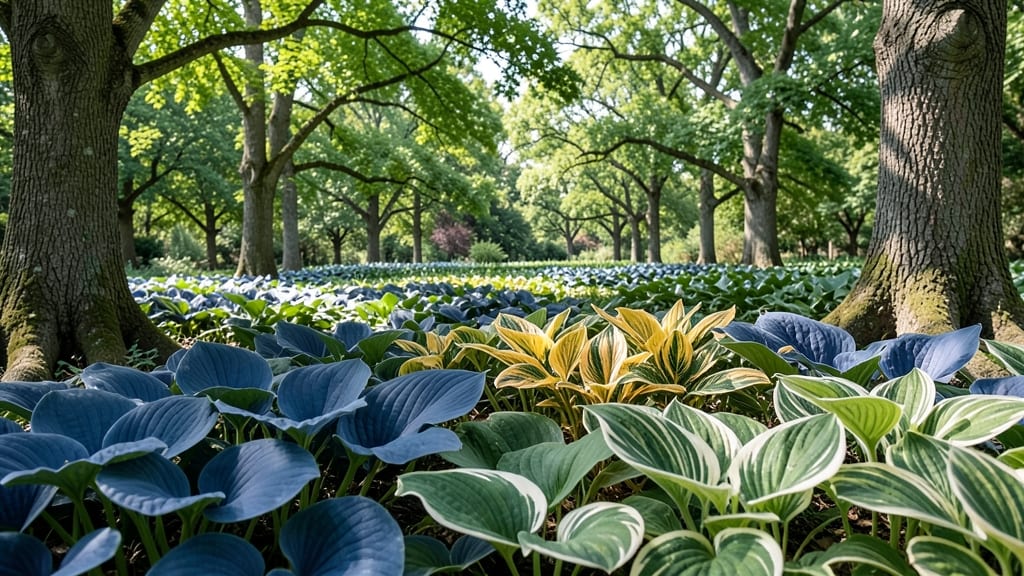
If your yard is dominated by deep shade—think towering trees or north-facing slopes—hostas are your secret weapon for replacing grass without sacrificing beauty. These shade-loving perennials offer a rainbow of foliage colors, from deep blue 'Blue Angel' to golden 'Francee' and striking variegated 'Patriot,' all while suppressing weeds and thriving where grass gives up.
Hostas spread slowly but steadily, creating a dense, textured carpet that stays lush with minimal care. Plant in well-draining soil (amend with compost) and water consistently for the first year, then enjoy their low-maintenance nature—most varieties tolerate drought once established and require no mowing. Their broad leaves also provide a cool, inviting surface for outdoor seating areas.
Perfect for beginners or busy gardeners, hostas transform shady spaces into vibrant, low-stress landscapes. 🌿