
Fertilization
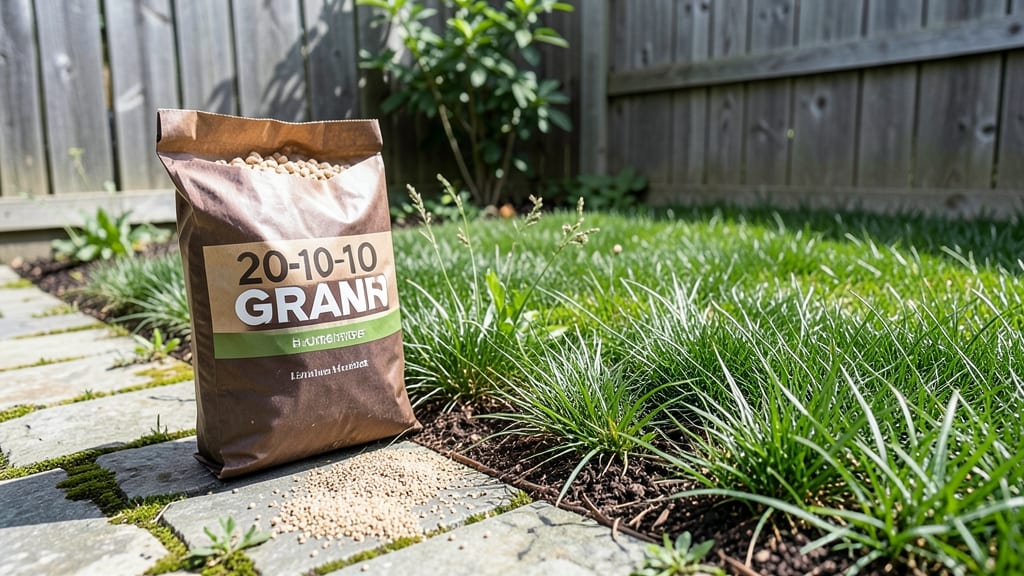
A 20-10-10 grass fertilizer transforms patchy lawns into vibrant carpets of green in just weeks. 🌱 I’ve used this balanced blend for years, and it’s the secret to my neighbor-jealousy lawn—no fancy equipment needed, just the right timing and technique.
The numbers mean nitrogen (20%), phosphorus (10%), and potassium (10%), which work together to strengthen roots, encourage leaf growth, and boost disease resistance. Most people over-apply, but a light, even spread every 6-8 weeks (spring through fall) prevents burn while keeping grass lush.
You’ll notice deeper green within 7-10 days and thicker growth by the second application. The key is watering before and after—it helps the nutrients soak in without wasting product.
Pair this with sharp mowing (never cutting more than ⅓ of the blade) and occasional overseeding for a lawn that stays thriving year-round. Ready to see real results?
📚 In This Guide
- What you need
- Instructions
- Tips and common mistakes
- Wrapping up and next steps
What you need
- ● 20-10-10 Grass Fertilizer – Choose a high-quality, slow-release formula (e.g., 20 lbs for a 500 sq. ft. area; adjust based on lawn size).
- ● Broadcast Spreader – For even distribution (rotary or drop-type).
- ● Lawn Mower with Bagging Attachment – To clear debris before applying fertilizer.
- ● Garden Hose with Spray Nozzle – For light watering post-application.
- ● Gloves & Safety Goggles – Protective gear for handling fertilizer.
- ● Measuring Tape or Ruler – To mark application zones if needed.
- ● Soil Test Kit – Verify pH/nutrient levels before fertilizing (ideal pH: 6.0–7.0).
- ● Lawn Aerator – For compacted soil (rent or buy for deep penetration).
- ● Calibrated Spreaders – Ensures precise fertilizer application rates.
- ● Rain Cover or Weather App – Check for rain within 24–48 hours after application.
Step-by-Step guide to applying 20-10-10 grass fertilizer for a vibrant lawn
This balanced formula delivers nitrogen, phosphorus, and potassium in perfect proportions for rapid, healthy grass growth.
🌱 Step 1: Prepare the Lawn for Fertilization
Mow the lawn to a height of 3-4 inches—this ensures even fertilizer distribution and prevents clumping. Remove any debris or thatch buildup, as these block nutrients from reaching the soil. I like to use a dethatching rake for stubborn layers, but even a stiff broom works for light debris. The goal is a clean, open surface where grass blades stand upright.
Water the lawn lightly the evening before application. The soil should be moist but not soggy—this helps the fertilizer granules adhere to the blades and prevents them from blowing away during application. If your lawn is bone-dry, you risk creating a powdery mess that washes off immediately.
🌿 Step 2: Calibrate Your Spreader for 20-10-10 Ratio
Set your broadcast or drop spreader to the manufacturer’s recommended setting for 20-10-10 fertilizer—typically ½ to ¾ pound per 1,000 square feet. Double-check the bag’s instructions, as rates vary by brand. I always test a small section first: spread a handful in a 3x3-foot area, then measure the coverage. Adjust the spreader’s output until you achieve even, overlapping swirls without heavy clumps.
Walk in a crisscross pattern (first pass north-south, second east-west) to ensure uniform coverage. Overlapping slightly prevents streaks where the fertilizer might be too light. If you’re using a drop spreader, stop and refill every 500 square feet to maintain consistency. The key is patience—rushing leads to missed spots or uneven application.
⏰ Step 3: Apply Fertilizer at the Right Time of Year
For cool-season grasses (like Kentucky bluegrass or fescue), apply 20-10-10 in early spring (March-April) and again in fall (September-October). Warm-season grasses (like Bermuda or Zoysia) need it in late spring (May-June) and early summer (July-August). Avoid fertilizing when temperatures exceed 85°F—the heat stresses grass and makes it harder for roots to absorb nutrients.
Water the lawn lightly immediately after application to activate the fertilizer. A ¼-inch soaking helps granules dissolve and reach the soil. Follow up with 1 inch of water over the next 24 hours to prevent burning. You’ll see the first signs of improvement—darker green blades and stronger growth—in 7-10 days. If you notice yellowing or browning, you’ve overdone it; reduce the rate next time.
☀️ Step 4: Maintain Proper Watering and Mowing Post-Application
For the first 2 weeks after fertilizing, maintain consistent moisture by watering 2-3 times per week (early morning is best). Deep watering encourages roots to grow deeper, making the lawn more resilient. Avoid heavy watering right after application—it can wash away unused fertilizer, wasting your investment and polluting runoff.
Continue mowing at 3-4 inches to prevent stress. Shorter grass looks neat but struggles to establish strong roots. I set my mower to the highest setting after fertilizing to give the blades time to recover. If you notice excessive thatch (over ½ inch thick), consider dethatching again in 6-8 weeks—it blocks water and nutrients from reaching the soil.
Tips & tricks for perfect grass fertilization with 20-10-10
Here's what I've learned after years of perfecting this lawn care routine—these small tweaks make all the difference.
Timing is Everything: The 24-hour watering window before application isn't just about moisture—it's about creating the perfect conditions for granule adhesion. I've found that applying when dew is naturally present (early morning) eliminates the need for pre-watering entirely. Just wait until the lawn is naturally damp from overnight moisture, then proceed with your application.
Spread Pattern Precision: That crisscross pattern in Step 2 isn't just decorative—it's essential for even distribution. I mark my lawn with spray paint in 5-foot squares before spreading to ensure complete coverage. This visual guide prevents those frustrating missed spots that can create patchy growth patterns down the road.
Seasonal Temperature Watch: The 85°F threshold isn't arbitrary—it's when grass roots start shutting down to conserve moisture. I monitor my local weather forecasts and adjust application timing accordingly. For areas approaching this temperature, I move applications to early morning when temps are cooler, giving the grass a fighting chance to absorb nutrients before the heat sets in.
Post-Application Watering Strategy: That 1-inch watering requirement over 24 hours is crucial, but timing matters just as much. I break it into two ½-inch sessions—first immediately after application, then again 12 hours later. This two-step approach prevents runoff while ensuring deep penetration without overwhelming the grass.
Pro Tips for Grass Fertilizer 20 10 10
- Here's what I've learned after years of perfecting this lawn care routine—these small tweaks make all the difference.
- Timing is Everything: The 24-hour watering window before application isn't just about moisture—it's about creating the perfect conditions for granule adhesion.
- Spread Pattern Precision: That crisscross pattern in Step 2 isn't just decorative—it's essential for even distribution.
Frequently asked questions
What does the 20-10-10 ratio mean, and is it right for my lawn?
The numbers 20-10-10 represent the percentage of nitrogen (N), phosphorus (P), and potassium (K) in the fertilizer. Nitrogen promotes leafy growth, phosphorus strengthens roots, and potassium boosts overall health. This balanced blend is ideal for established lawns needing a general nutrient boost—not new seedings (which need higher phosphorus).
When is the best time to apply 20-10-10 fertilizer?
Apply 20-10-10 fertilizer in early spring (as grass starts growing) and late summer (for fall recovery). Avoid applying in extreme heat or drought, as it can burn grass. For cool-season grasses (like Kentucky bluegrass), a fourth application in early fall can also help.
How much 20-10-10 fertilizer should I use per 1,000 sq ft?
For most lawns, use 1 pound of 20-10-10 per 1,000 sq ft per application. Always check the label instructions—overapplying can harm your grass. Spread evenly with a drop or broadcast spreader for consistent coverage. Water lightly after applying to help nutrients absorb.
What if my grass turns yellow or brown after applying 20-10-10?
Yellowing or browning can signal over-fertilization or drought stress. If this happens, water deeply (1–1.5 inches per week) and avoid fertilizing until the grass recovers. For severe cases, mow higher (3–4 inches) to reduce stress. If the issue persists, test your soil for pH or nutrient deficiencies.
Can I switch from 20-10-10 to organic fertilizer later?
Yes! Many homeowners transition to organic fertilizers (like compost or manure-based blends) for long-term soil health. If switching, gradually reduce synthetic use and increase organic matter (like mulched grass clippings). Organic fertilizers release nutrients slower, so you’ll need to apply them more frequently.
Wrapping up and next steps
Choosing the right grass fertilizer 20 10 10 can transform your lawn into a vibrant, envy-worthy space—without the guesswork! This balanced blend delivers essential nutrients for strong roots, rich color, and resilience, making it perfect for homeowners who want low-maintenance, high-impact results. 🌱
Ready to see the difference? Start by testing your soil, then apply your fertilizer with confidence—your lawn will thank you! For even better outcomes, consider pairing it with proper watering and mowing habits. Happy gardening! 🌿