
Container Gardens
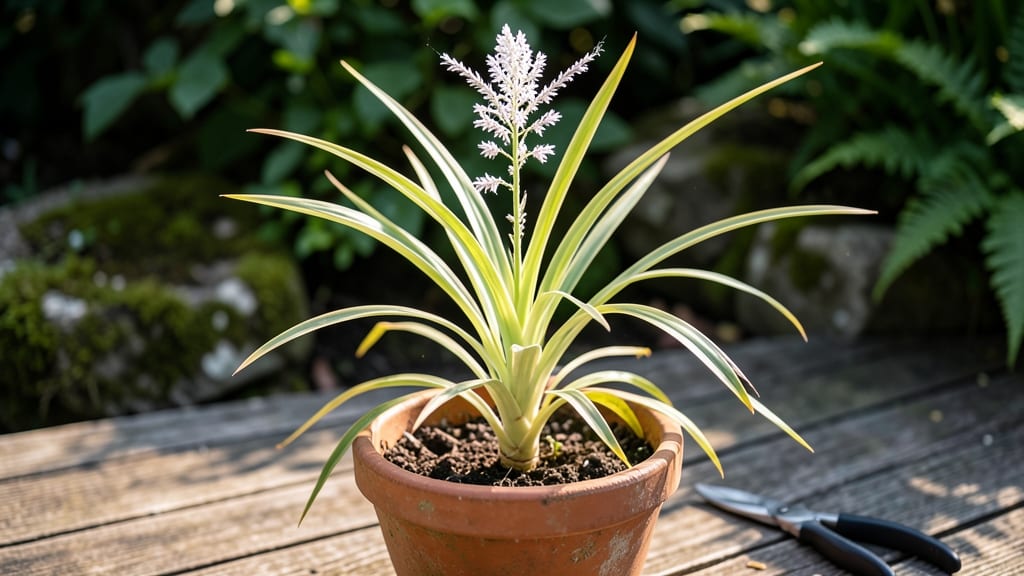
Growing Cymbopogon citratus lemongrass delivers that bright, lemony aroma in just 6-8 weeks—no greenhouse needed. 🌱 I've turned my patio into a fragrant herb garden using nothing but a 5-gallon pot and a sunny spot, and the results are shockingly lush stalks perfect for Thai curries or homemade tea.
The secret lies in mimicking its tropical roots: keep soil consistently moist (but not soggy), give it 6+ hours of sunlight daily, and avoid drafts. Most people overwater it, which causes the leaves to yellow—don't let that happen.
A well-drained potting mix with perlite works wonders, and you can even grow it indoors near a bright window. By harvest time, you'll have 2-3 foot stalks with that signature citrus punch. The more you cut, the bushier it grows—ideal for continuous harvesting.
Plus, it repels mosquitoes naturally, so you get double the benefit. Works in containers year-round in zones 9-11, and with winter care, it thrives indoors elsewhere too. Let's get those stalks growing!
📚 In This Guide
- What you need
- Instructions
- Tips and common mistakes
- Wrapping up and next steps
What you need
- ● Lemongrass plants: 2–3 healthy starter plants or 3–5 fresh stalks with roots (check for vibrant green leaves and sturdy stems).
- ● Containers: 1–2 pots per plant, at least 12 inches deep and wide (lemongrass loves space!). Use well-draining pots with drainage holes.
- ● Potting mix: 3–5 gallons of well-draining, sandy loam soil (mix 60% garden soil, 30% perlite/sand, and 10% compost). Avoid heavy clay.
- ● Fertilizer: Balanced 10-10-10 or 20-20-20 liquid fertilizer (diluted to half-strength) or organic options like fish emulsion.
- ● Watering can or hose: With a gentle spray nozzle for hydration without damaging leaves.
- ○ Pruning shears: Sharp, sterilized shears for trimming (optional but helpful for maintenance).
- ● Mulch: Pine bark or straw to retain moisture and regulate soil temperature.
- ● Slow-release fertilizer pellets: For low-maintenance nutrition (follow package instructions).
- ● Humidity tray: A shallow tray with pebbles and water to boost humidity in dry climates.
- ● Support stakes: If growing in windy areas, lightweight bamboo stakes can help tall stalks stay upright.
- ● pH test kit: To ensure soil pH is 5.5–7.0 (lemongrass thrives in slightly acidic to neutral soil).
Step-by-step instructions for growing Cymbopogon citratus lemongrass in containers
Here’s how to grow this fragrant herb quickly—no yard needed.
🌱 Step 1: Choose the Right Container and Soil
Lemongrass thrives in 6-8 inch deep pots with drainage holes—terracotta works best since it breathes. Fill with a mix of 50% potting soil and 50% perlite for aeration. I skip garden soil—it compacts and drowns roots. Moisten the mix until it’s damp but not soggy; squeeze a handful to check. If water drips, it’s too wet.
Place a small layer of pebbles or broken pottery in the bottom of the pot before adding soil. This prevents clogging and keeps roots healthy. Lemongrass hates soggy feet, so drainage is non-negotiable. If your pot lacks holes, drill a few—just don’t go overboard.
🌿 Step 2: Plant the Lemongrass Starter
Buy a 3-4 inch tall lemongrass plant from a nursery—seeds take too long to sprout. Gently remove it from its container and loosen the roots if they’re circling. Plant it 1 inch deeper than it was in its nursery pot. Press the soil lightly around the base to secure it, but don’t pack it down.
Lemongrass grows in clumps, so one plant per pot is plenty. If you’re planting multiple, space them 6 inches apart in larger containers. Water immediately after planting—this helps settle the soil and removes air pockets around the roots. You’ll see new growth within 2-3 weeks if conditions are right.
☀️ Step 3: Position for Sunlight and Warmth
Place your lemongrass in full sun—at least 6-8 hours daily. A south-facing window or balcony works, but if you’re indoors, supplement with a grow light for 12-14 hours/day. Without enough light, stems stretch and leaves turn pale. I’ve seen leggy lemongrass recover, but it’s slower and less flavorful.
Keep temperatures between 70-90°F—lemongrass is tropical and wilts in cold drafts. If your home runs cooler, group pots together to trap warmth. Watch for crispy leaf edges—this means air is too dry. Mist the leaves occasionally or place a tray of water nearby to boost humidity.
💧 Step 4: Water and Fertilize for Fast Growth
Water when the top inch of soil feels dry—stick your finger in to check. Lemongrass prefers consistent moisture but hates standing water. I water deeply once a week in summer, less in winter. Overwatering causes yellow leaves and root rot, which is a silent killer. Let the soil dry slightly between waterings.
Feed every 4-6 weeks with a balanced liquid fertilizer (10-10-10). Dilute it to half-strength—lemongrass grows fast, and strong fertilizer burns roots. You’ll notice new leaves emerging from the base within 2-3 weeks of fertilizing. Stop feeding in late summer to prep for dormancy.
✂️ Step 5: Harvest and Maintain for Continuous Yield
Harvest stems when they’re 12-18 inches tall—cut just above a leaf node (the bump where leaves grow). This encourages bushier growth. Use the lower 6-8 inches of the stem for cooking; the rest regrows. Harvest every 4-6 weeks, and your plant will keep producing.
Trim any yellow or brown leaves immediately—they drain energy. In winter, reduce watering and move the plant to a brighter spot if growth slows. Lemongrass is hardy but needs a little TLC to survive cooler months. With proper care, you’ll have fresh lemongrass year-round.
Tips & tricks for perfect Cymbopogon citratus lemongrass
Here's what I learned after growing lemongrass for years—these tricks speed up growth and keep your plants thriving.
Container Depth Matters: While 6-8 inch pots work, I've found that deeper containers (up to 12 inches) give roots more room to establish, especially if you plan to harvest frequently. The extra depth helps prevent root-bound stress that can stunt growth. If using deeper pots, add 2-3 inches of your 50/50 soil-perlite mix to create a proper root zone.
Root Care Secret: When transplanting your 3-4 inch starter, I recommend soaking the roots in water for 10 minutes before planting. This helps remove any nursery soil that might compact around the roots and gives them a hydrated start. After planting, press the soil firmly around the base to eliminate air pockets—this prevents transplant shock and encourages faster root establishment.
Lighting Hack: For indoor growers, position your grow light just 6-8 inches above the plant—closer than you might think. Lemongrass needs intense light to prevent stretching. I rotate my pots weekly to ensure even growth all around. If you notice leaves leaning toward the light, it's definitely time to rotate!
Fertilizer Timing: The 4-6 week feeding schedule works, but I've found that adding a pinch of Epsom salt (about 1 teaspoon per gallon of water) every other feeding boosts magnesium levels. This helps prevent yellowing between the leaf veins—a common nutrient deficiency. Always dilute your fertilizer to half-strength, as lemongrass roots are sensitive to salt buildup.
Pro Tips for Cymbopogon Citratus Lemongrass
- Here's what I learned after growing lemongrass for years—these tricks speed up growth and keep your plants thriving.
- Container Depth Matters: While 6-8 inch pots work, I've found that deeper containers (up to 12 inches) give roots more room to establish, especially if you plan to harvest frequently.
- Root Care Secret: When transplanting your 3-4 inch starter, I recommend soaking the roots in water for 10 minutes before planting.
Frequently asked questions
Got questions about growing Cymbopogon citratus (lemongrass) in containers? You’re not alone!
Here are the most common queries—and answers—to help you cultivate this fragrant, fast-growing herb like a pro.
Can lemongrass grow in small containers?
Lemongrass thrives in containers as long as they’re at least 12 inches deep and wide enough to accommodate its clumping habit. Use well-draining soil and ensure the pot has drainage holes to prevent root rot. A 5-gallon container works great for one plant.
How long does it take for lemongrass to grow in a pot?
With the right conditions (full sun, warmth, and consistent moisture), you’ll see noticeable growth in 4–6 weeks. The stalks can reach harvestable size (12–18 inches) in 3–4 months from planting. Patience pays off—lemongrass grows faster in warm climates (70°F+).
Why is my lemongrass turning yellow or dying?
Yellowing leaves or wilting often signal overwatering, underwatering, or poor drainage. Check the soil—it should stay evenly moist but not soggy. If roots look mushy, repot in fresh, well-draining soil. Lack of sunlight or cold drafts can also stress the plant. Move it to a sunnier spot if needed!
Does lemongrass survive winter in containers?
Lemongrass is tropical and won’t tolerate frost. If you live in a cold climate, bring potted lemongrass indoors near a sunny window or under grow lights when temps drop below 50°F. Reduce watering slightly in winter, but keep the soil lightly moist to prevent dormancy.
Can I grow lemongrass from store-bought stalks?
Yes! Save the hard, woody base (about 2–3 inches) from store-bought lemongrass. Trim the leaves, let it dry for a day, then place it in water or moist soil. Roots should sprout in 2–3 weeks. Just avoid using stalks treated with preservatives—they won’t regrow.
How often should I fertilize lemongrass in containers?
Feed your lemongrass every 4–6 weeks during the growing season (spring–fall) with a balanced liquid fertilizer (10-10-10 or 20-20-20). Dilute to half-strength to avoid burning roots. Skip fertilizing in winter when growth slows. Over-fertilizing can harm this sensitive herb!
Wrapping up and next steps
Cymbopogon citratus lemongrass is a fragrant, fast-growing powerhouse for container gardens—packed with culinary, medicinal, and ornamental benefits! Whether you’re a beginner or a seasoned gardener, its low-maintenance charm and vibrant citrusy aroma make it a must-have. With the right care, you’ll enjoy fresh stalks in as little as 3 months, ready to elevate dishes, teas, or DIY remedies.
🌱 Ready to grow your own? Start small with a single pot, experiment with varieties, and let your lemongrass thrive—your kitchen (and senses) will thank you! Next step: Grab a container, some soil, and those tender shoots you’ve been eyeing at the nursery. Happy planting! 🌿