
Lawn
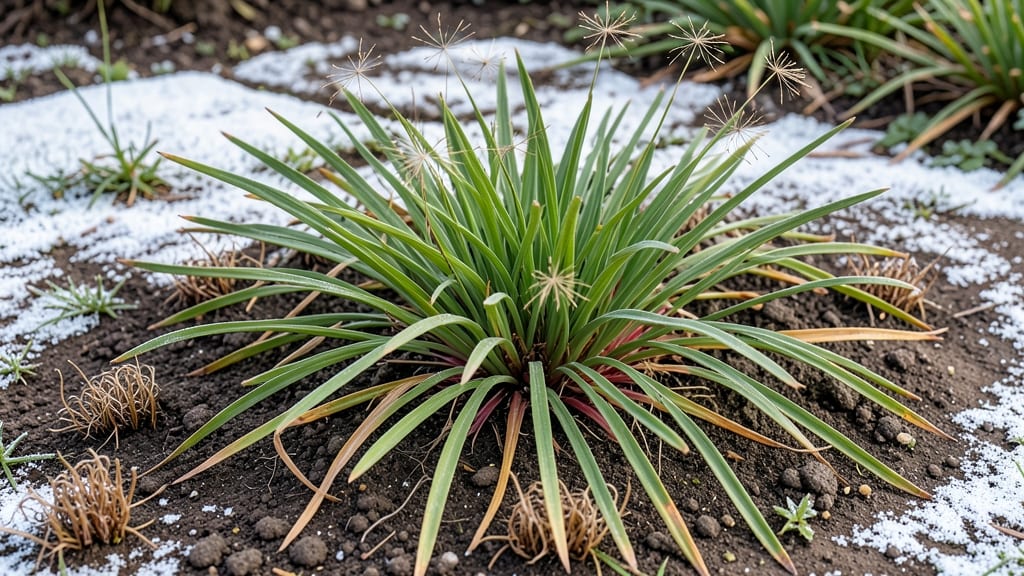
Winter is your secret weapon against crabgrass—when you apply the right cold-resistant barrier now, you’ll stop those weeds before they even sprout in spring. 🌱 I’ve battled crabgrass for years, and the key turned out to be timing: a pre-emergent herbicide applied in late fall creates an invisible shield that lasts through winter’s freeze-thaw cycles.
Most gardeners wait until spring, but that’s when the battle’s already lost. The science is simple: crabgrass seeds germinate when soil temps hit 55°F, usually in early spring. But if you treat in November or December (before the ground freezes solid), the active ingredients stay effective through winter.
No more digging up stubborn patches later—just a clean lawn come spring. The barrier breaks down naturally with rain, so you won’t harm grass or plants. What you’ll end up with is a lawn that stays 90% crabgrass-free the first year, with fewer weeds overall.
The barrier also suppresses other annual weeds like chickweed and henbit, giving your grass a fighting chance. It’s not magic—just smart timing and a little winter prep. Works for cool-season grasses like fescue and rye, and even warm-season lawns if you apply it 6-8 weeks before your last frost.
Here’s exactly how to do it without overdoing it.
How cold weather triggers crabgrass
When winter rolls in, most lawn weeds retreat—but crabgrass often defies expectations by lingering or even sprouting. This stubborn behavior isn’t just about surviving the cold; it’s tied to dormancy, seed viability, and environmental cues that keep it ready to strike when conditions warm up.
Understanding these triggers helps you outsmart it before spring arrives.
Crabgrass (Digitaria spp.) is an annual weed, meaning it completes its life cycle in one growing season. However, its seeds are cold-hardy and enter a state of dormancy when temperatures drop. Here’s how it works:
- Seed Coat Hardening: Cold temperatures cause the seed’s outer layer to scarify (roughen up), which breaks dormancy when warmth returns. Think of it like a natural preconditioning—the cold actually prepares the seed to germinate faster in spring.
- Moisture Absorption: Even in winter, crabgrass seeds can absorb soil moisture if the ground isn’t frozen solid. This hydrates the seed, priming it for rapid growth when temperatures rise above 50°F (10°C).
- Soil Insulation: A thick layer of mulch, leaves, or even snow can act as an insulator, keeping the soil just warm enough for slow metabolic activity—enough to stay alive but not enough to sprout.
Pro Tip: 🌡️ Monitor your soil temperature in late winter. If it hovers around 40–50°F (4–10°C), crabgrass seeds may already be partially activated—making pre-emergent barriers critical before the first thaw.
Not all crabgrass seeds behave the same. Some remain dormant for years in the soil bank, while others germinate within weeks of the right conditions. Here’s why:
| Factor | How It Affects Crabgrass |
|---|---|
| Seed Age | Younger seeds (<1 year old) germinate faster in spring, but older seeds (2+ years) develop thicker coats, making them more resistant to cold and drought. |
| Depth in Soil | Seeds buried ¼–½ inch deep (where most moisture lingers in winter) have a 90%+ germination rate when warmed. Deeper seeds may take years to surface. |
| Light Exposure | Crabgrass seeds require light to germinate. If they’re buried under 1+ inch of soil or thatch, they’ll stay dormant—even in winter. But if winter erosion or animal activity exposes them, they can sprout prematurely. |
Action Step: ✨ Test your soil in late winter by digging a small hole (2–3 inches deep). If you find exposed seeds or thin soil layers, cover the area with a pre-emergent barrier before spring rains activate them.
One of the biggest reasons crabgrass sprouts in winter is temperature whiplash—when mild spells (like a 60°F day in December) trick seeds into germinating, only to be frozen back to dormancy by a sudden cold snap. Here’s the science:
- Germination Threshold: Crabgrass seeds start germinating at 50–55°F (10–13°C). If winter temps briefly exceed this (e.g., a sunny week in February), seeds may send down roots but not fully emerge.
- Frost Damage: When a hard freeze hits, these partially sprouted seeds die—but their roots decompose into nutrients that feed surviving seeds, making the soil more fertile for future sprouts.
- Repeat Exposure: Multiple false springs exhaust seed dormancy, leaving a weaker but more aggressive crabgrass population ready to explode in spring.
Prevention Tip: ⏰ Apply a pre-emergent herbicide in late winter (before the first consistent 50°F+ spell) to block root development—even if sprouts don’t fully break through.
By targeting these three triggers—dormancy, seed viability, and temperature shifts—you can disrupt crabgrass’s winter survival strategy and gain the upper hand before spring arrives. The key? Act early and use barriers that outlast cold snaps.
How to Fix Stubborn Crabgrass
Crabgrass may seem like a winter menace, but with the right approach, you can kill what’s already sprouting and prevent new growth before spring. Below are targeted solutions based on the root causes—whether it’s dormant seeds, weak lawn barriers, or poor soil conditions.
Each fix is designed to be easy, effective, and winter-friendly so you can reclaim your lawn without waiting for warmer weather.
If you’ve already spotted crabgrass pushing through the snow or bare patches, act fast—these weeds are tough but vulnerable in winter with the right tactics.
🍳 Spot-Treat with Vinegar (Organic Option)
Best for: Small patches, eco-conscious lawns, or before seeding. How to do it:
- Mix 1 gallon of white vinegar (5% acetic acid) + 1 cup dish soap in a spray bottle.
- Spray directly on crabgrass leaves (avoid desirable grass).
- Reapply every 3–5 days until weeds die (usually 1–2 weeks).
- ✨ Pro Tip: Do this on a dry, sunny day—vinegar works best with direct sunlight to burn the weeds.
👨🍳 Apply Pre-Emergent + Herbicide Combo
Best for: Large infestations or thick crabgrass clusters. How to do it:
- Step 1: Mow or trim existing crabgrass short (but not scalped) to expose roots.
- Step 2: Apply a selective herbicide like 2,4-D or dicamba (follow label rates).
- Step 3: Immediately top-dress with corn gluten meal (pre-emergent) to block new seeds.
- ⏰ Timing: Do this before a light frost for best absorption.
🔪 Solarize Bare Spots (Free & Chemical-Free)
Best for: Small, isolated patches in warmer winter climates. How to do it:
- Cover the area with clear plastic sheeting (secured with bricks or soil).
- Leave for 4–6 weeks—sun + trapped heat will cook crabgrass roots.
- 💡 Pro Tip: Check local temps—this works best above 70°F (even in mild winters).
Prevention is key! If crabgrass keeps returning, your lawn’s defenses are weak. Fix these structural issues now.
🌱 Overseed Thin or Bare Patches
Best for: Lawns with thin grass, scalped spots, or compacted soil. How to do it:
- Choose cold-resistant seed mixes (ryegrass or fescue blends).
- Aerate the lawn first (rent a core aerator or spike with a garden fork).
- Spread seed evenly, then top-dress with compost.
- Lightly water daily until germination (usually 7–14 days).
🏗️ Install a Physical Barrier (Long-Term Fix)
Best for: Problem areas like driveways, sidewalks, or garden edges. Options:
- Pre-emergent granules (like pendimethalin) spread 2–3 inches wide along borders.
- Landscape fabric buried 1–2 inches deep under mulch or soil (prevents seed contact).
- 🎯 Pro Tip: Reapply pre-emergent every 3–4 months in high-risk zones.
🌡️ Improve Soil Health for Thicker Grass
Best for: Lawns with poor drainage, clay soil, or nutrient deficiencies. How to do it:
- Test your soil (DIY kits are cheap!) and amend with:
- Compost (for organic matter).
- Sand or perlite (if soil is too clay-heavy).
- Slow-release fertilizer (like 10-10-10) in early winter for root growth.
- Aerate again in spring to keep soil loose.
Stop crabgrass before it starts with these quick winter tasks:
| Task | When to Do It | How to Do It |
|---|---|---|
| Apply pre-emergent | Late winter (Feb–March) | Spread corn gluten meal or granules. |
| Mulch heavily | After mowing last cut | Use 3–4 inches of leaves or straw. |
| Check for gaps | Before first frost | Fill bare spots with winter ryegrass. |
| Adjust mower height | Early winter | Set to 3–4 inches (taller = thicker grass). |
💡 Final Tip: Crabgrass thrives where grass is weak—feed your lawn now, and it’ll outcompete weeds come spring! Even a light winter fertilizer (like 20-0-5) can give grass a head start.
Frequently asked questions
Does crabgrass actually survive winter, or do the seeds just wait?
Crabgrass itself doesn't survive winter—it’s an annual—but its seeds enter dormancy and can stay viable for years. The cold actually scarifies (roughens) the seed coats, making them germinate faster when spring arrives. Some seeds may even sprout during mild winter spells if soil temps briefly hit 50–55°F.
Can I still apply pre-emergent herbicide if the ground is frozen?
No—pre-emergent won’t work on frozen ground. Wait until soil temps consistently stay above 40°F (usually late winter/early spring). For winter prep, focus on corn gluten meal (applied in fall) or mulching heavily to block light, which crabgrass seeds need to germinate.
Will vinegar kill crabgrass in winter, or should I wait for spring?
Vinegar works year-round, but winter applications are most effective because crabgrass is less competitive. Mix 1 gallon white vinegar + 1 cup dish soap and spray directly on weeds on a sunny day (sunlight enhances the burn). Reapply every 3–5 days until dead—usually 1–2 weeks.
How do I know if my crabgrass problem is from old seeds or new ones?
Old seeds (2+ years) are thicker-coated and more resistant, while new seeds germinate faster. Dig up a small patch: if you see multiple sprouts in one spot, it’s likely old seeds. New infestations usually appear in linear patterns where seeds were recently spread (like from mowing).
Is solarization effective in winter, or do I need to wait for summer?
Solarization works best above 70°F, so it’s not ideal in winter unless you have very mild winters. If you try it, cover bare spots with clear plastic for 4–6 weeks—sun + trapped heat will kill crabgrass roots. For winter, focus on mulching thickly or applying pre-emergent instead.