
Lawn
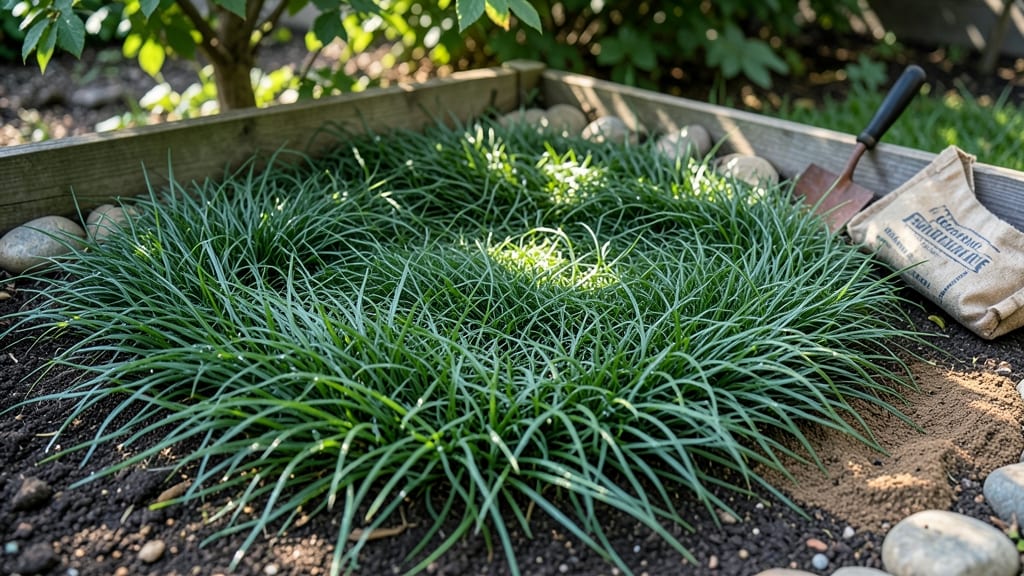
Carpet grass runners spread like a living blanket, transforming shady patches into vibrant green ground cover that stays lush even when other lawns struggle. 🌿 I learned the hard way that these runners aren’t just for filling gaps—they’re a foolproof way to create a dense, low-maintenance lawn without the mowing.
The secret? Knowing when and how to separate, plant, and manage them so they don’t take over (or underperform) your yard.
You’ll need basic tools—a sharp spade, gloves, and maybe a wheelbarrow for larger areas—and the right conditions: 60% shade tolerance, moist but well-draining soil, and patience for the first few weeks.
The runners themselves are the magic—each one roots where it touches the ground, so proper spacing (12–18 inches apart) keeps the grass thick but manageable. Water deeply after planting, and you’ll see new growth within 7–10 days.
What you end up with is a soft, weed-resistant lawn that stays green year-round, even in tough spots where fescue or Bermuda grass would fail. The runners handle foot traffic surprisingly well, and once established, they need half the water of traditional lawns.
It’s the kind of ground cover that makes neighbors ask, “What’s your secret?”—and the answer is simpler than you’d think.
For erosion-prone slopes or high-traffic areas, carpet grass is a game-changer. Just watch for runners creeping into flower beds (easy to trim back) and fertilize lightly in spring to keep it growing strong. Start small—like a 3x3-foot patch—and scale up once you see how fast it fills in.
📚 In This Guide
- What you need
- Instructions
- Tips and common mistakes
- Wrapping up and next steps
What you need
- ● Carpet Grass Runners (Axonopus affinis): 10–20 linear feet (depending on area coverage—aim for full ground coverage for best results).
- ● Ensure runners are healthy, green, and free of weeds.
- ● Soil: Well-draining, slightly acidic soil (pH 5.5–6.5).
- ● Topsoil or compost (1–2 inches) for nutrient-rich planting.
- ● Tools: Garden shovel or trowel
- ● Rake (for smoothing soil)
- ● Garden hose or watering can (with spray nozzle)
- ● Measuring tape (for spacing)
- ● Gloves (to protect your hands!)
- ● Mulch (straw or pine needles) to retain moisture and suppress weeds.
- ● Organic fertilizer (low-nitrogen, like 5-5-5) to boost growth.
- ● Edging tool (to define borders neatly).
- ● Weed barrier fabric (if your area is prone to weeds).
Step-by-Step guide to propagating carpet grass runners
Turn your shady spots into a verdant carpet with this simple propagation method.
🌱 Step 1: Select Healthy Runners for Propagation
Choose runners that are at least 6-8 inches long and show 3-4 nodes—these are the points where roots will form. Avoid runners with yellowing or brown patches, as these indicate disease or stress. I like to work in the early morning when the grass is still dewy, making the runners easier to handle without tearing.
Gently lift the runner from the ground using a small trowel or your fingers, being careful not to damage the main plant. If the runner resists, don’t force it—wait until the next day when the soil is slightly drier. You’ll know you’ve selected the right runners when they snap cleanly at the nodes, signaling they’re ready for new growth.
🪴 Step 2: Prepare the New Planting Area
Select a spot with partial to full shade and well-draining soil, as carpet grass thrives in moist but not soggy conditions. Loosen the soil to a depth of 4-6 inches using a garden fork or tiller, breaking up any compacted layers. Mix in a 2-inch layer of compost to enrich the soil without altering its natural moisture-retention properties.
Space your new runners 12-18 inches apart in rows 18 inches apart to allow for natural spread. If you’re planting in an existing lawn, create small trenches with your trowel to nestle the runners without disturbing the surrounding grass. Water the area lightly before planting to help settle the soil and reduce shock.
💧 Step 3: Plant and Secure the Runners
Lay each runner in the prepared trench with the nodes facing downward—these are where the roots will emerge. Gently press the runner into the soil so it’s partially buried but not fully covered. For extra stability, especially in windy areas, anchor the ends with small U-shaped stakes or landscape pins. This keeps the runners in place while roots establish.
Water the newly planted runners thoroughly until the soil is deeply moist but not waterlogged. You’ll know it’s right when water pools slightly on the surface before draining away. Avoid walking on the area for 48 hours to give the runners time to settle and begin rooting. Mulch lightly with ½ inch of shredded bark to retain moisture and suppress weeds.
☀️ Step 4: Maintain Moisture and Monitor Growth
Keep the soil consistently moist for the first 3-4 weeks, watering deeply 2-3 times per week depending on rainfall. Carpet grass runners root best in cool, damp conditions, so aim to water in the early morning or late evening to minimize evaporation. You’ll see new growth emerge from the nodes within 2-3 weeks—this is your signal that the runners have taken hold.
Once the new shoots reach 2-3 inches tall, gradually reduce watering to once per week, allowing the top inch of soil to dry slightly between waterings. This encourages deeper root growth. Avoid fertilizing during the first 6 weeks, as the runners are still establishing. Instead, let the natural soil nutrients support early growth.
✂️ Step 5: Encourage Full Coverage and Prune as Needed
After 8-10 weeks, your carpet grass runners should have filled in significantly, creating a dense, lush ground cover. If any gaps remain, repeat the process by planting additional runners in the bare spots. To maintain even growth, trim the grass to a height of 1-2 inches with a string trimmer or lawnmower, being careful not to cut more than ⅓ of the blade length at a time.
Watch for signs of stress like yellowing or thinning patches—these often indicate overwatering or poor drainage. Adjust your watering schedule if needed, and consider aerating the soil annually to improve root health. With proper care, your carpet grass will spread naturally, filling in shady areas with vibrant green within a single growing season.
Tips & tricks for perfect carpet grass propagation
Here's what I've learned from years of transforming shady patches into lush green carpets—these little details make all the difference.
Runner Selection Matters: In Step 1, focus on runners with 3-4 healthy nodes that snap cleanly when bent. I've found that runners with yellowing at the tips often indicate stress—they won't root as reliably. The early morning dew actually makes them more pliable, so that's my preferred harvesting time. Trust me, this simple check saves hours of frustration later.
Soil Prep is Non-Negotiable: When preparing your planting area in Step 2, don't skimp on the 4-6 inch soil loosening. Compacted soil will strangle your new roots before they even get started. I like to add a thin layer of compost (about 2 inches) mixed into the top layer—this gives the roots a nutrient boost without altering the soil structure too dramatically. The key is maintaining that well-draining quality while adding organic matter.
Planting Depth and Stability: For Step 3, the nodes should be just barely covered—think of them like seeds. I've seen beginners bury runners too deep, which can lead to rot at the nodes. For windy areas, those U-shaped stakes are a game-changer. I once lost half my runners in a spring storm because I skipped this step—don't make my mistake! The ½ inch mulch also helps retain that critical moisture while preventing weeds.
Watering Wisdom: During the critical 3-4 week establishment period in Step 4, I've learned to check moisture by sticking my finger about an inch into the soil. If it feels dry, water deeply until you see that slight surface pooling. The morning watering schedule is crucial—it gives the soil time to absorb before the heat of the day evaporates it. And remember, once those shoots hit 2-3 inches, you can ease up slightly to encourage deeper roots.
Pro Tips for Carpet Grass Runners
- Here's what I've learned from years of transforming shady patches into lush green carpets—these little details make all the difference.
- Runner Selection Matters: In Step 1, focus on runners with 3-4 healthy nodes that snap cleanly when bent.
- Soil Prep is Non-Negotiable: When preparing your planting area in Step 2, don't skimp on the 4-6 inch soil loosening.
Frequently asked questions
How do I control carpet grass runners from spreading too aggressively?
Carpet grass runners (like Axonopus or Zoysia) spread naturally, but you can manage them with regular mowing (set blades to 1–2 inches) and occasional trimming of runners. For tighter control, use a string trimmer or edging tool to redirect growth. Pro tip: Plant in designated areas and avoid overwatering, which fuels spread!
When is the best time to plant carpet grass runners for shade?
The ideal window is early spring or late summer (April–May or August–September), when soil is warm but not scorching. Cool-season months (fall/winter) work too, but growth slows. Avoid planting in peak summer heat—stress makes runners less resilient.
Can I use carpet grass runners in full shade, or do they need some sunlight?
Most carpet grass varieties tolerate partial shade (2–6 hours of sun/day), but deep shade (<2 hours) may stunt growth. Look for shade-tolerant types like Zoysia japonica ‘Meyer’ or St. Augustine blends. Pair with mulch to retain moisture if shade is heavy.
What’s the easiest way to remove carpet grass runners if I change my mind?
Start by smothering runners with cardboard or thick mulch for 3–6 months to block sunlight. Hand-pull young shoots or use a glyphosate-free vinegar spray for stubborn patches. For large areas, rent a sod cutter to lift and replace. Warning: Wear gloves—some runners have sharp edges!
Are carpet grass runners drought-resistant once established?
Yes! Once rooted (after 1–2 years), carpet grass runners develop deep roots and handle drought better than many lawn grasses. Water deeply 1–2 times/week during dry spells, but reduce frequency once established. Bonus: Their dense growth suppresses weeds naturally!
Wrapping up and next steps
Carpet grass runners are your secret weapon for transforming shady, tricky lawn areas into vibrant, low-maintenance green spaces! 🌿 With their hardy nature, fast spread, and shade tolerance, they’re perfect for filling gaps, preventing weeds, and adding instant curb appeal.
Whether you’re a seasoned gardener or just starting out, these runners make lawn care feel effortless.
Ready to give your yard a fresh look? Start small—plant a few runners today and watch them weave magic over time. Before you know it, your shady spots will be lush, green, and the envy of the neighborhood! 🌟