
Lawn
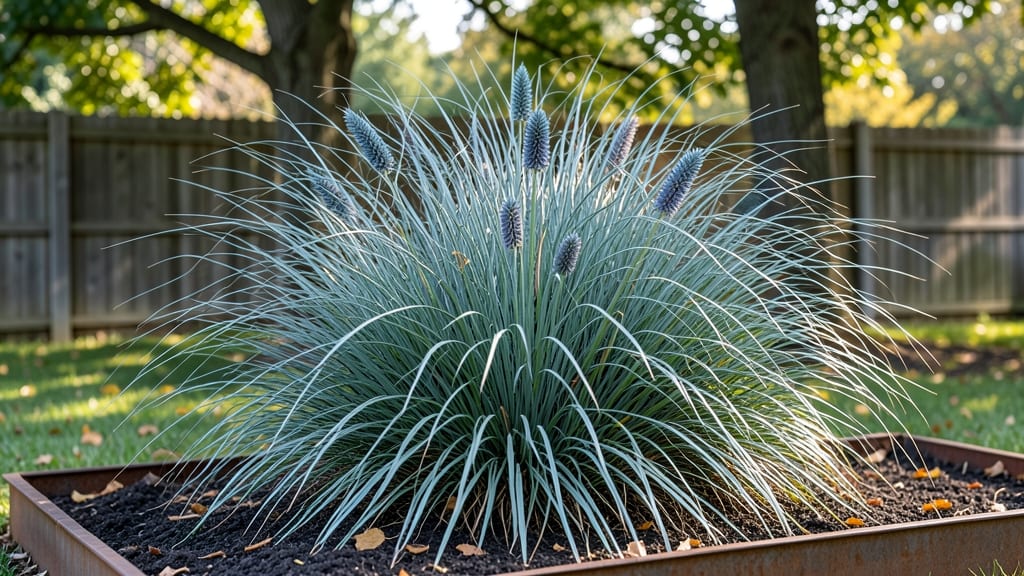
Blue Bayou Pampas grass transforms any Southern landscape with its striking blue-tinged foliage and feathery plumes. 🌿 I planted mine two years ago, and it’s become the standout feature of my backyard—adding drama while requiring surprisingly little upkeep once established.
The key to growing this ornamental grass successfully lies in understanding its bold personality: it thrives in heat and humidity but demands careful placement to control its spread.
This variety handles full sun beautifully, even in the brutal summer heat of the South, and tolerates poor, sandy, or clay soils—just as long as they drain well. Watering is simple: deep soaks once a week during the first year, then almost nothing afterward.
The real work comes during winter, when those old seed heads need pruning to keep the plant looking sharp and prevent unwanted self-seeding.
What you’ll love most is how it stays lush year-round, with its silvery-blue foliage providing texture even in winter. The feathery plumes add movement and height, making it perfect for focal points or mass plantings.
Just be warned—this grass spreads aggressively, so plant it where it can roam or contain it with deep root barriers if needed.
Once established, it’s nearly maintenance-free, drought-tolerant, and resistant to most pests. The only real challenge is managing its spread, but with the right placement, Blue Bayou Pampas grass becomes a low-effort, high-impact addition to any Southern garden. Ready to add some drama to your landscape?
📚 In This Guide
- What you need
- Instructions
- Tips and common mistakes
- Wrapping up and next steps
What you need
- ● Blue Bayou Pampas Grass: 10–20 crowns (for mature plants, spaced 4–6 ft apart)
- ● OR 50–100 plugs (young plants, spaced 3–4 ft apart)
- ● OR 1 lb of seeds (slower growth, best for large areas)
- ● Soil: Well-draining, sandy loam (amend clay soil with compost or perlite)
- ● Fertilizer: Slow-release balanced fertilizer (10-10-10 or 8-3-9) at planting time
- ● Mulch: 2–3 inches of pine straw or shredded bark (to retain moisture)
- ● Watering supplies: Hose with soaker hose or drip irrigation (for consistent moisture)
- ● Garden shovel or trowel (for planting crowns/plugs)
- ● Garden rake (to level soil)
- ● Measuring tape (for spacing)
- ● Pruning shears (for shaping mature plants)
- ● Gloves (to protect hands from sharp foliage)
- ● Epsom salt (for magnesium boost in poor soil)
- ● Plant food spikes (for slow-release nutrients)
- ● Landscape fabric (to suppress weeds under mulch)
- ● Decorative garden stakes or rocks (to highlight plantings)
Step-by-Step guide to planting and maintaining Blue Bayou Pampas grass
This drought-tolerant beauty thrives in Southern heat—here’s how to plant it for maximum impact.
🌱 Step 1: Choose the Perfect Location for Sun and Drainage
Blue Bayou Pampas Grass demands full sun—at least 6-8 hours of direct sunlight daily—to maintain its striking blue-green hue and compact form. In Southern climates, this means planting in open, south-facing areas where afternoon sun won’t scorch the foliage. Avoid low spots where water pools, as this grass hates soggy roots—its native habitat is well-drained, sandy soil.
I dig a hole twice as wide as the root ball but only as deep as the container it came in. This prevents burying the crown too deeply, which can suffocate the plant. Loosen the soil around the edges to encourage root spread. If your soil is heavy clay, mix in 2-3 inches of coarse sand or grit to improve drainage before planting.
🪴 Step 2: Plant with Proper Spacing and Soil Prep
For 4 plants, space them 4-6 feet apart in a loose cluster or 8-10 feet apart for a more formal, isolated look. The wider spacing prevents overcrowding, which leads to weak stems and poor air circulation. I always dig a 1-inch layer of compost into the bottom of the hole to give roots a nutrient boost without overwhelming the plant.
Place the plant so the top of the root ball sits level with the surrounding soil—never deeper. Backfill with native soil, pressing gently to eliminate air pockets. Water deeply right after planting to settle the soil and encourage root contact. You’ll know it’s done right when water drains freely from the bottom of the hole without pooling.
☀️ Step 3: Water Deeply and Establish a Drought-Resistant Routine
Blue Bayou Pampas Grass is drought-tolerant once established, but new plants need consistent moisture for the first 4-6 weeks. Water deeply every 2-3 days until the soil feels dry 2-3 inches below the surface. Overwatering is the biggest mistake—this grass rots faster than it drains.
After the initial establishment period, reduce watering to once every 7-10 days, unless your area experiences extreme heat or prolonged drought. You’ll see the plant’s resilience when it stops wilting and maintains its upright, arching form even in dry spells. Mulch with 2-3 inches of pine straw to retain moisture and suppress weeds—just keep it 6 inches away from the plant’s base to avoid rot.
✂️ Step 4: Prune Strategically for Year-Round Texture
The key to Blue Bayou’s lush, rounded shape is light pruning in late winter or early spring, just as new growth begins. Cut back one-third of the oldest stems at the base to encourage fresh, vibrant growth. Avoid heavy pruning—this grass thrives on its natural, airy structure.
Remove only dead or damaged stems throughout the year, but never trim more than 20% of the plant at once. You’ll notice the difference in 3-4 weeks when new growth emerges with a brighter blue-green tint and tighter form. In frost-prone Southern zones, a light trim after winter helps it bounce back faster.
🌿 Step 5: Fertilize Sparingly for Long-Term Health
Blue Bayou Pampas Grass is low-maintenance and doesn’t need frequent feeding. In early spring, apply a slow-release, balanced fertilizer (10-10-10) at half the recommended rate—too much nitrogen encourages weak, leggy growth. Scatter the granules 6 inches away from the plant’s base and water deeply to activate them.
Skip fertilizer in summer and fall unless the plant looks pale or stunted, which signals nutrient deficiency. A light top-dressing of compost in late winter is often enough to keep it thriving. The goal is minimal intervention—this grass is built for Southern resilience, not coddling.
Tips & tricks for perfect Blue Bayou Pampas grass
Between us, these little details make all the difference when it comes to keeping your Blue Bayou Pampas Grass looking like a showstopper year after year.
Soil Prep Secret: If your soil is particularly dense or compacted, consider adding a 5-gallon bucket of coarse sand mixed into the bottom of your planting hole before adding the compost layer. This creates an instant drainage layer that mimics the grass's native sandy habitat. I've seen plants in heavy clay soil thrive after this simple tweak—it prevents that dreaded root suffocation.
Planting Depth Check: Here's what nobody tells you—use a small stake or pencil to mark the soil level on the root ball before planting. After backfilling, check that this mark sits exactly at ground level. Too deep? The plant will struggle. Too shallow? Roots may dry out. This simple visual cue ensures perfect positioning every time.
Watering Wisdom: During the critical 4-6 week establishment period, I recommend using a moisture meter to check soil dryness rather than relying on a schedule. The grass needs consistent moisture but hates soggy conditions. Aim for soil that's dry only 2-3 inches down—this prevents both underwatering and overwatering, which are the two biggest killers of young plants.
Pruning Precision: When you're cutting back one-third of the oldest stems in Step 4, use clean, sharp pruners and make cuts at a 45-degree angle just above a leaf node. This encourages faster regrowth and prevents unsightly stubble. I've noticed plants pruned this way bounce back with noticeably brighter foliage within weeks.
Pro Tips for Blue Bayou Pampas Grass
- Between us, these little details make all the difference when it comes to keeping your Blue Bayou Pampas Grass looking like a showstopper year after year.
- Soil Prep Secret: If your soil is particularly dense or compacted, consider adding a 5-gallon bucket of coarse sand mixed into the bottom of your planting hole before adding the compost layer.
- Planting Depth Check: Here's what nobody tells you—use a small stake or pencil to mark the soil level on the root ball before planting.
Frequently asked questions
Got questions about growing Blue Bayou Pampas Grass? You’re not alone!
Here are answers to the most common queries—from planting to maintenance—so you can keep your landscape thriving with this stunning, low-maintenance grass.
Is Blue Bayou Pampas Grass cold-hardy?
Blue Bayou is one of the hardiest Pampas grass varieties, tolerating USDA zones 7-11. While it can handle light frosts, severe cold (<20°F) may cause dieback—but it often rebounds in spring. For extra protection, mulch the base or plant in sheltered spots.
How long does it take to establish?
Expect 6-12 months for full establishment, depending on climate and care. In the first year, focus on consistent watering (deep but infrequent) and avoid heavy pruning. Once rooted, it’s drought-tolerant and requires minimal upkeep.
When and how should I prune it?
Prune Blue Bayou in late winter or early spring (before new growth) to remove dead fronds. Use sharp, clean shears and cut back to 1/3 of the plant’s height. Avoid cutting into old wood—this can harm the crown. Pro tip: Wear gloves; the plumes are sharp!
Are there alternatives if I want something similar but lower-maintenance?
If Pampas grass feels too high-maintenance, consider these low-fuss alternatives:
Blue Bayou is generally pest-resistant, but deer may nibble young plants. Once established, it’s deer-resistant. Birds love the seed heads for nesting, and butterflies are drawn to its plumes. Fun fact: Planting near pollinator-friendly flowers boosts your garden’s biodiversity! If your grass looks thin or overgrown, try this:
All three offer texture and color with far less upkeep.
Will it attract pests or wildlife?
Bonus Tip: How to revive a leggy or sparse Blue Bayou?
Most plants bounce back with patience!
Wrapping up and next steps
Transforming your Southern landscape with Blue Bayou Pampas Grass is a game-changer—its striking blue-green plumes and drought-resistant charm bring effortless elegance year-round.
Whether you’re a seasoned gardener or just starting, this grass is a low-maintenance superstar that thrives in heat and humidity while adding height and drama to any space. 🌿
Ready to elevate your outdoor oasis? Start small with a single clump, or go bold with a full border—just grab your gloves, pick your spot, and let nature do the rest. Your dream landscape is just a few steps away!